Free Sump Pump Head Lift & GPH Sizing Calculator— gemini-3.0-flash
gemini-3.0-flashCalculate sump pump total dynamic head (TDH) and required GPH flow rate. Use our free tool to determine correct pump horsepower for residential drainage systems.
AI Generation Prompt
Technical Specification: Free Sump Pump Head Lift & GPH Sizing Calculator
1. Overview
A browser-based, single-file utility tool designed to help homeowners and plumbing professionals calculate the Total Dynamic Head (TDH) and required GPH (Gallons Per Hour) for residential sump pump systems. The application provides instant, calculated recommendations based on user inputs for elevation and pipe friction.
2. UI Layout
- Header: Clean, professional title area with a brief description of the tool's purpose.
- Input Section (Left/Top): A structured form featuring crisp input fields for:
- Vertical Lift (feet/meters)
- Horizontal Run (feet/meters)
- Pipe Diameter (dropdown selection: 1.25", 1.5", 2")
- Number of 90-degree elbows
- Check valve/tee presence (checkboxes)
- Results Section (Right/Bottom):
- Prominently displayed Total Dynamic Head (TDH) value.
- Estimated required GPH capacity.
- Recommended Pump Horsepower range (e.g., 1/3 HP, 1/2 HP, 3/4 HP).
- A "Reset" button for new calculations.
- Educational Sidebar: A section providing context on why TDH and friction loss matter.
3. Design & Aesthetics
- Palette: A high-end, clean SaaS aesthetic. Primary colors: #0070f3 (Vibrant Blue), #ffffff (White), #f4f4f5 (Light Gray backgrounds), and #1a1a1a (Dark Gray for typography).
- Typography: Sans-serif, human-readable fonts (e.g., Inter or System UI). Large, readable numbers for results.
- Animations: Subtle fade-in animations for result values. Smooth button hover states (transition: all 0.2s ease).
- Responsiveness: Mobile-first design. Stack inputs vertically on smaller screens, and transition to a two-column grid layout on tablet/desktop displays.
4. Technical Constraints & Directives
- Architecture: Pure HTML/CSS/JS in a single file. Tailwind CSS CDN integration for layout.
- In-Memory Logic: All calculation logic must run in-memory. Do NOT use
localStorage,sessionStorage, or cookies. - No Popups: Replace
alert()orprompt()with custom in-DOM modal components. - Performance: Vanilla JS only. Minimal dependencies. Fast initial load time.
- Accessibility: High contrast ratios, semantic HTML tags, and ARIA labels for all inputs.
5. Calculation Logic
- The logic should implement standard hydraulic approximation formulas for friction loss (Hazen-Williams simplification) based on the inputs provided.
- The logic must trigger dynamically upon input change (debounced) or via a 'Calculate' button to ensure performance efficiency.
- No data transmission to external servers; the calculation is strictly client-side.
Spread the word
gemini-3.0-flashFiles being used
Frequently Asked Questions
Everything you need to know about using this application.
What is Total Dynamic Head (TDH) in sump pump systems?
Total Dynamic Head (TDH) represents the total resistance that a sump pump must overcome to move water from the sump basin to the discharge point. It is a critical measurement that combines static lift—the vertical distance the water is lifted—and friction loss caused by the pipe length, diameter, and fittings like elbows or valves. Calculating accurate TDH is essential because if a pump is under-sized, it will not be able to clear the water effectively, potentially leading to basement flooding. Conversely, an over-sized pump might cycle too frequently, causing premature wear on the motor and reducing the overall lifespan of the system.
Why is it important to calculate GPH and HP before buying a pump?
Gallons Per Hour (GPH) flow rate is a measure of the pump's capacity to move a volume of water in a specific time frame. Every pump has a performance curve; as the head height increases, the flow rate decreases. By accurately determining the GPH requirements for your specific site conditions, you ensure that the pump can handle inflow rates during heavy rain or snowmelt events. Selecting the correct Horsepower (HP) is equally vital, as it determines the torque and speed available to move the water. Our calculator helps bridge the gap between simple static height measurements and the actual performance metrics needed to select the right product for your residential drainage needs, preventing costly installation mistakes.
How do pipe diameter and fittings affect pump performance?
Pipe diameter is one of the most significant factors in hydraulic friction loss. Smaller diameter pipes create higher resistance, forcing the pump to work harder to maintain the same flow rate. This increased resistance effectively adds 'false' height to the pump's workload, requiring a more powerful motor to compensate for the friction losses. Fittings, such as 90-degree elbows, check valves, and tees, add localized resistance to the system. Each fitting creates a small amount of turbulence, which acts as an additional load on the pump. By including these variables in your calculation, you can better estimate the true demands on your pump system rather than relying solely on the static vertical distance.
Can I use this calculator for professional plumbing design?
This calculator is designed as a planning and educational tool for homeowners and DIY enthusiasts to estimate basic requirements for residential sump pump systems. It uses standard hydraulic principles to provide a reasonable approximation of pump capacity needed, helping you make informed decisions when selecting equipment from hardware suppliers. However, for complex commercial systems, high-rise buildings, or situations with unique plumbing configurations, you should consult a licensed plumbing engineer. They can perform a comprehensive hydraulic analysis that accounts for all specific pipe materials, complex system layouts, and long-term reliability standards that go beyond the scope of a standard online calculator.
Related Applications
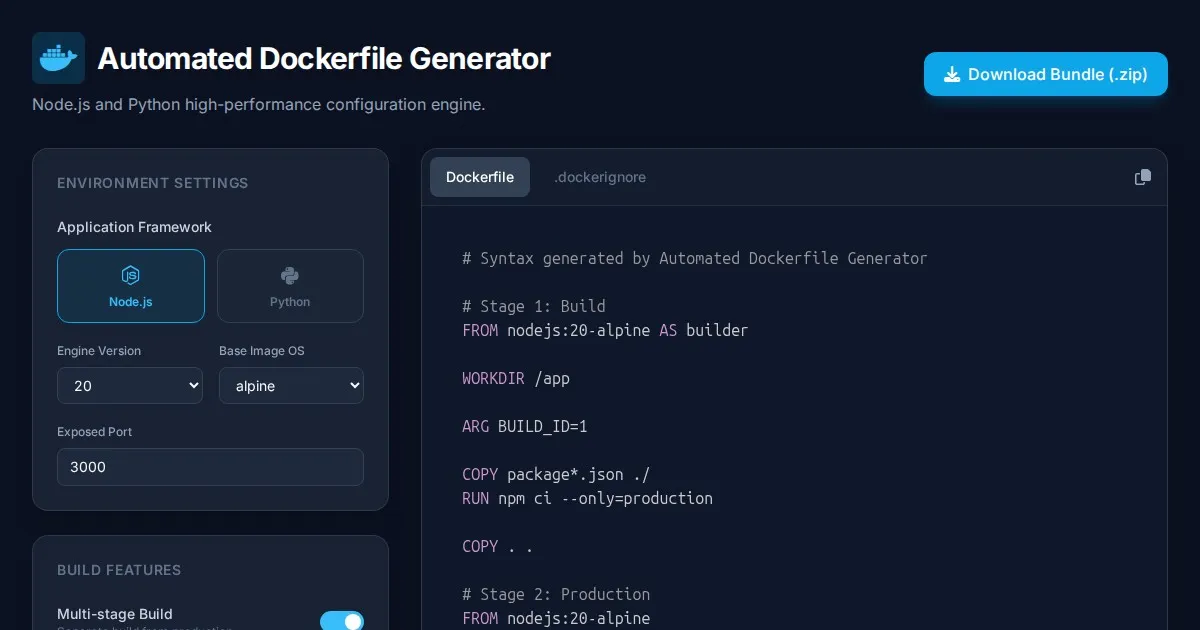
Automated Dockerfile Generator for Node.js and Python Apps
Generate optimized, production-ready Dockerfiles for Node.js and Python applications instantly. Customize base images, port configurations, and dependencies.
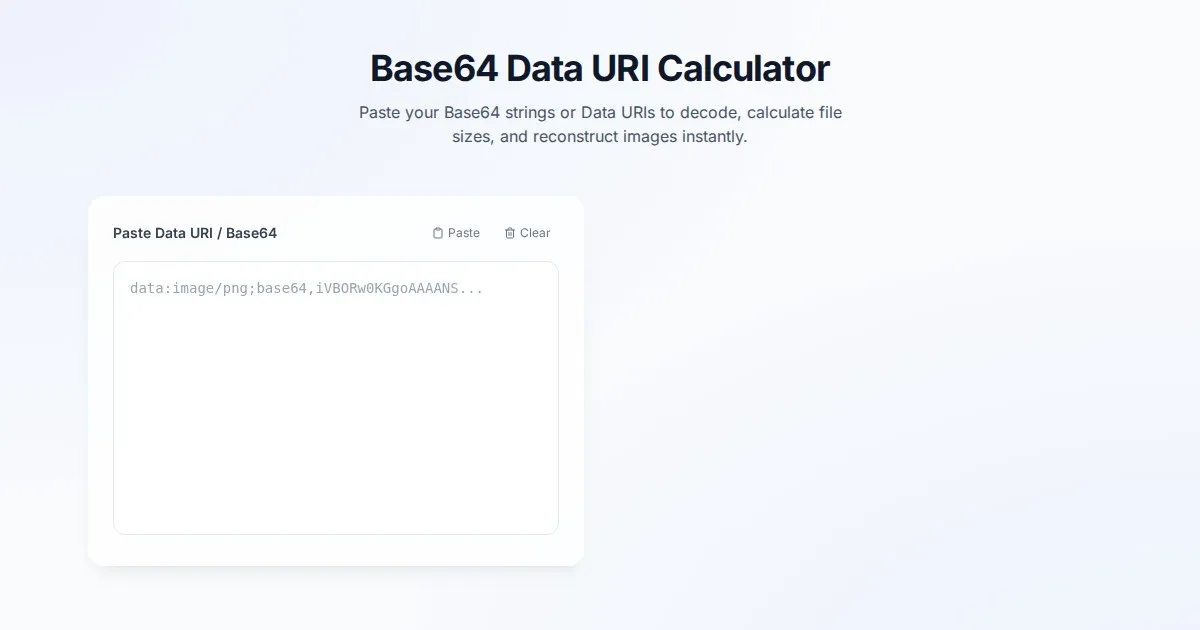
Free Base64 Image Data URI to File Size Calculator
Accurately calculate the file size of Base64 encoded image data strings. This free, web-based tool helps developers estimate binary file sizes for web apps.

Free Online 3D Model Viewer - GLTF & OBJ File Previewer
Instantly preview 3D models online with this free 3D Model Viewer. Support for GLTF, GLB, and OBJ formats. Drag and drop your files for a fast, browser-based render.

Free Online Color Blindness Simulator & Image Filter Tool
Easily simulate color vision deficiencies like protanopia, deuteranopia, and tritanopia. Upload images to test design accessibility for color blindness.
Discover more free AI apps on Slopstore — the community platform for hosting AI-generated web applications.