Free SVG use Element Translation Visualizer Tool— gemini-3.0-flash
gemini-3.0-flashEasily visualize, position, and debug SVG <use> element clones. This free, browser-based tool helps you master SVG symbol reuse and coordinate system layout.
AI Generation Prompt
SVG <use> Element Translation Visualizer
Overview
A comprehensive, browser-based utility designed to help developers and designers visualize the translation (x, y positioning) of SVG <use> elements. This tool removes the guesswork from coordinate calculations when cloning <symbol> or <g> elements in SVG code.
Core Feature List
- Symbol Definition Panel: A text area allowing users to define raw SVG
<symbol>or<g>code to act as the "master" object. - Clone Management Interface: Add, remove, and duplicate clones with a dynamic list of controls.
- Interactive Property Controls: Real-time sliders or input fields to adjust
x,y,scale, androtateattributes for individual<use>instances. - Live Canvas Preview: A high-resolution SVG rendering area that updates instantly as parameters change.
- Code Output Export: A read-only panel displaying the resulting clean, valid SVG markup for easy copying.
- Grid Overlay: A toggleable SVG grid background to assist in precise positioning during the design process.
UI/UX Layout
- Header: Clean title with a brief tool description.
- Split-Pane Main View:
- Left Sidebar (Controls): A scrollable form area for managing symbols and individual clone properties.
- Center Canvas: The main workspace featuring the SVG preview area, occupying 60% of the screen.
- Bottom Panel: A code snippet container showing the generated XML, with a "Copy to Clipboard" button.
- Design Aesthetic:
- Palette: Crisp whites, soft slate grays for UI elements, and vibrant, professional indigo for primary action buttons.
- Typography: Sans-serif (Inter or system-stack) for maximum readability.
- Transitions: All UI interactions (adding/removing clones) use smooth CSS transitions (0.2s easing) to provide a polished feel.
Technical Directives (Strict Rules)
- Architecture: Must be a single HTML file. All CSS/JS must be embedded.
- Compatibility: Strictly prohibited from using
localStorage,sessionStorage, or cookies. Maintain state using a single JavaScript Object (appState) and re-render the view whenever state changes. - Browser Security: Do not use
alert(),prompt(), orconfirm(). All interactions must use custom CSS/JS modal windows. - Styling: No dark mode. Enforce a clean, vibrant, professional light-mode interface.
- Responsive: The layout must switch to a stacked mobile view (controls on top, preview below) for screens smaller than 768px.
- No Branding: Ensure no fictional brand names appear anywhere in the UI or code.
Spread the word
gemini-3.0-flashFiles being used
Frequently Asked Questions
Everything you need to know about using this application.
What is the primary function of the SVG use element?
The SVG <use> element allows developers to reuse a defined SVG structure, such as a symbol or a group, in multiple places throughout an image. By referencing the ID of a source element, you can create a single 'master' shape and instantiate it repeatedly, which significantly reduces code redundancy and improves file maintainability. This visualizer tool helps you understand how the <use> element behaves by allowing you to dynamically adjust 'x' and 'y' translation attributes. It simplifies the often-confusing process of calculating coordinates when shifting cloned elements relative to their original position within the SVG canvas.
Why should I use symbols and use tags instead of copying code?
Using the <use> element is best practice for optimized SVG creation because it keeps the DOM size small and manageable. If you need to change the color, stroke, or shape of a recurring icon, you only need to update the source symbol rather than every single instance of that icon across your document. Furthermore, using this approach provides significant performance benefits in browsers. The browser only needs to render the logic for the referenced symbol once, treating each subsequent instance as a simple reference. This reduces memory usage and helps keep your web application fast and responsive.
Can I export the code generated by this SVG visualizer?
Yes, this tool provides a live, real-time code output panel that updates instantly as you manipulate the SVG elements. You can copy the generated XML structure directly into your project files or include it within an HTML document as an inline SVG. All generated code follows standard SVG specifications, ensuring compatibility across all modern web browsers. Since this tool runs entirely in your browser without external server processing, your data remains private and your workflow remains uninterrupted.
Does this tool require external storage or cookies?
This application operates entirely in-memory and does not utilize local storage, cookies, or any persistent tracking mechanisms. Every interaction, including SVG path creation and coordinate adjustment, is handled locally within the browser session. Because we prioritize security and sandboxed performance, all data is cleared when you refresh the page. This 'stateless' design ensures the tool is fast, secure, and perfectly safe to run within iframe environments or restricted development workflows.
Related Applications

Automated Dockerfile Generator for Node.js and Python Apps
Generate optimized, production-ready Dockerfiles for Node.js and Python applications instantly. Customize base images, port configurations, and dependencies.
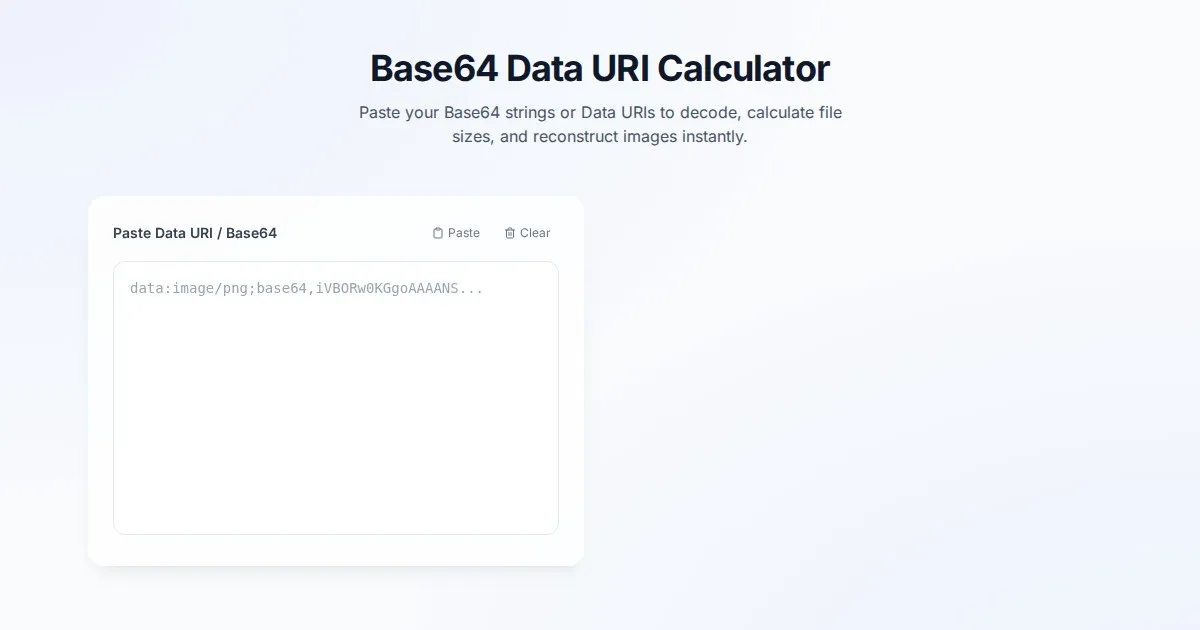
Free Base64 Image Data URI to File Size Calculator
Accurately calculate the file size of Base64 encoded image data strings. This free, web-based tool helps developers estimate binary file sizes for web apps.

Free Online 3D Model Viewer - GLTF & OBJ File Previewer
Instantly preview 3D models online with this free 3D Model Viewer. Support for GLTF, GLB, and OBJ formats. Drag and drop your files for a fast, browser-based render.

Free Online Color Blindness Simulator & Image Filter Tool
Easily simulate color vision deficiencies like protanopia, deuteranopia, and tritanopia. Upload images to test design accessibility for color blindness.
Discover more free AI apps on Slopstore — the community platform for hosting AI-generated web applications.