Free Tailwind CSS Arbitrary Value Visualizer & Sandbox— gemini-3.0-flash
gemini-3.0-flashInstantly visualize and test Tailwind CSS arbitrary values. A free online sandbox to prototype custom width, height, colors, and more without compilation.
AI Generation Prompt
Technical Specification: Tailwind CSS Arbitrary Value Visualizer
Overview
A clean, professional-grade sandbox tool designed for frontend developers to prototype, test, and visualize Tailwind CSS arbitrary values (e.g., w-[325px], top-[12%], bg-[#1a2b3c]) in real-time. The tool provides an isolated preview environment, enabling rapid experimentation without the overhead of a build step.
Core Features
- Live Preview Engine: A central display component that reflects the applied Tailwind arbitrary class immediately.
- Input Sanitization: Intelligent handling of square bracket syntax and common Tailwind class patterns.
- Quick-Start Presets: A toggleable menu of common arbitrary usage patterns (e.g., spacing, colors, sizing, flex/grid properties).
- Responsive Resizing: Interactive controls to simulate different container widths (Mobile, Tablet, Desktop) to verify arbitrary value responsiveness.
- Code Copying: A one-click button to copy the validated Tailwind class to the clipboard.
UI Layout
- Header: Contains the tool name and a brief instruction subtitle.
- Control Panel:
- A prominent text input field styled with high contrast for entering the utility class.
- Preset buttons structured in a grid layout (e.g.,
Width,Height,Color,Z-Index).
- Preview Stage: A large, centered, light-grey bordered box with smooth padding. The background features a subtle checkerboard pattern to make transparency visualization easier.
- Status Indicator: A small indicator showing "Rendering..." or "Invalid Class" based on input validation results.
Design & Aesthetics
- Palette: Clean, modern SaaS aesthetic.
- Background:
#f8fafc(Slate 50) - Cards/Containers:
#ffffff(White) with smooth shadowshadow-smandrounded-lg. - Primary Accent:
#3b82f6(Blue 500) for interactive elements (buttons, focus states). - Text:
#1e293b(Slate 800) for headings,#64748b(Slate 500) for labels.
- Background:
- Transitions: All interactive elements utilize
transition-all duration-200 ease-in-out. - Typography: Sans-serif, standard font stack (Inter or System UI).
Developer Directives
- Architecture: Implement as a single
.htmlfile. Use<script src="https://cdn.tailwindcss.com"></script>for styling. - Storage: CRITICAL: Do not use
localStorage,sessionStorage, or cookies. Maintain state using JavaScript variables only. - Sandboxing: Use defensive coding practices to ensure the app functions inside an iframe. Do not rely on parent window context.
- Performance: Debounce the input field to prevent excessive re-rendering during rapid typing.
- Responsiveness: Ensure the input field and preview stage scale down gracefully on mobile devices (flex-col layout on mobile, flex-row on desktop).
- No Brand: Use purely functional naming (e.g., "Tailwind Arbitrary Visualizer"). No fictional product names.
Spread the word
gemini-3.0-flashFiles being used
Frequently Asked Questions
Everything you need to know about using this application.
What are Tailwind CSS arbitrary values?
Tailwind CSS arbitrary values allow developers to apply custom CSS values directly in utility classes using the square bracket syntax, such as w-[150px] or bg-[#ff0000]. This feature is designed for one-off design requirements where using your pre-defined design system constants isn't necessary. By leveraging this syntax, you can bypass the need to constantly update your tailwind.config.js file for every unique spacing, sizing, or color requirement. It provides maximum flexibility for prototyping and handling edge cases in your responsive web layout design.
How does this Tailwind CSS visualizer tool work?
This tool dynamically injects your entered utility class into a live-rendered preview element. It uses the official Tailwind CSS CDN to interpret your arbitrary values in real-time within the browser, effectively simulating how the styles will appear in your own production environment. Since it runs entirely client-side, you do not need to install Node.js, run a build process, or configure any complex development environments. Simply type your utility class into the input field, and the preview component updates immediately to reflect your visual changes.
Can I use this for complex CSS calculations?
Yes, this sandbox fully supports valid CSS functions inside the square brackets, including calc(), min(), max(), and clamp(). You can easily test responsive structures like w-[calc(100%-2rem)] or h-[clamp(200px,50vh,800px)] to ensure your layout behaves exactly as you intended. This is particularly helpful for visual debugging, as it allows you to verify browser compatibility and rendering behavior for complex CSS math expressions without having to refresh your local development server or manually inspect elements.
Is this tool compatible with all Tailwind features?
This tool is built to visualize the rendering of standard Tailwind utility classes and arbitrary values. It is optimized for rapid prototyping, color testing, and sizing verification, allowing you to see results in a clean, isolated environment without interference from other styles. While it provides an accurate preview of how arbitrary values will look in a standard Tailwind project, please note that it is intended for visualization and testing purposes rather than as a replacement for a full-scale build configuration, plugins, or complex layered Tailwind setups.
Related Applications
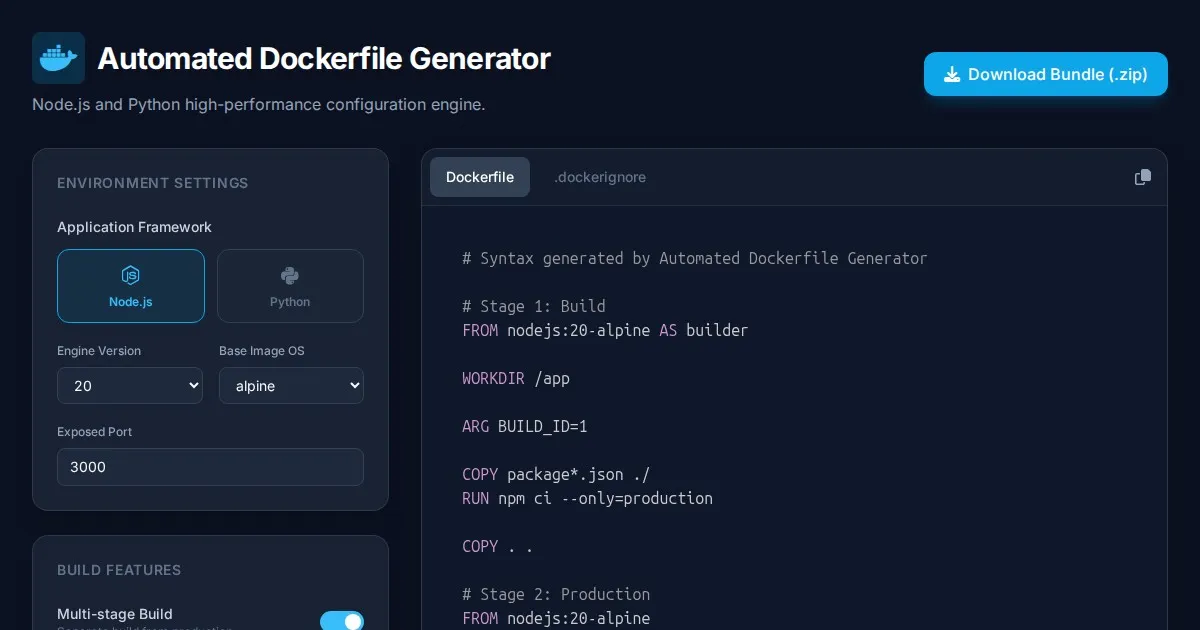
Automated Dockerfile Generator for Node.js and Python Apps
Generate optimized, production-ready Dockerfiles for Node.js and Python applications instantly. Customize base images, port configurations, and dependencies.
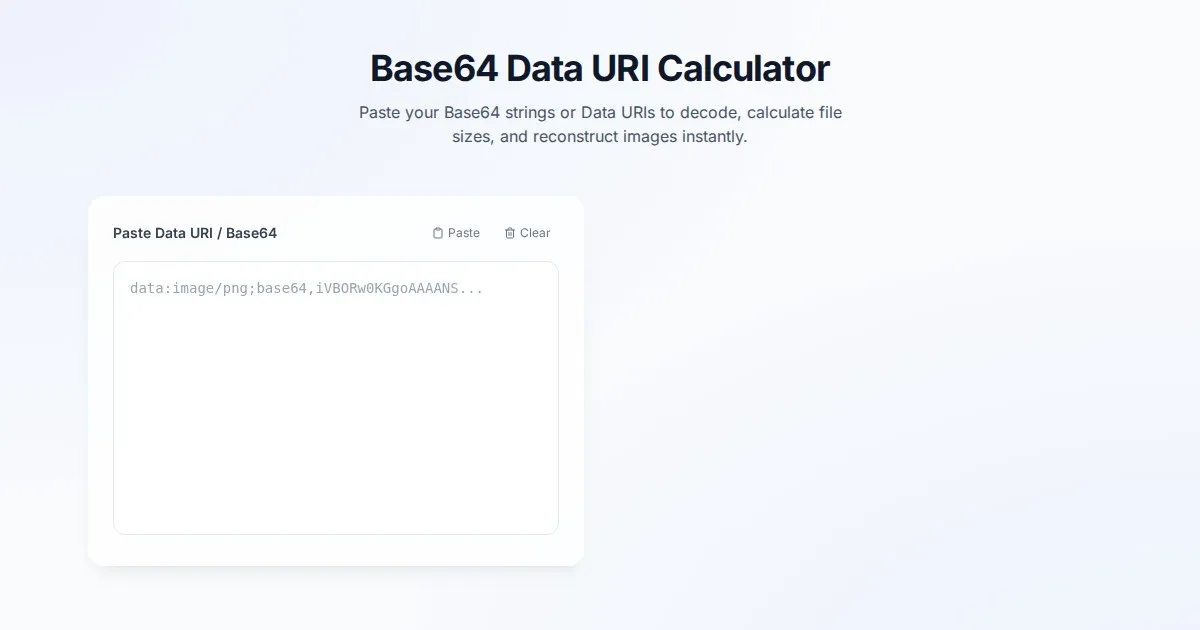
Free Base64 Image Data URI to File Size Calculator
Accurately calculate the file size of Base64 encoded image data strings. This free, web-based tool helps developers estimate binary file sizes for web apps.

Free Online 3D Model Viewer - GLTF & OBJ File Previewer
Instantly preview 3D models online with this free 3D Model Viewer. Support for GLTF, GLB, and OBJ formats. Drag and drop your files for a fast, browser-based render.

Free Online Color Blindness Simulator & Image Filter Tool
Easily simulate color vision deficiencies like protanopia, deuteranopia, and tritanopia. Upload images to test design accessibility for color blindness.
Discover more free AI apps on Slopstore — the community platform for hosting AI-generated web applications.