Free Tailwind CSS Dark Mode Strategy Visualizer & Generator— gemini-3.0-flash
gemini-3.0-flashVisualize and compare Tailwind CSS dark mode strategies. Learn how to implement media query vs class-based dark mode with interactive code generation tools.
AI Generation Prompt
Tailwind CSS Dark Mode Strategy Visualizer
Overview
This single-file browser application serves as an interactive reference for developers to understand and implement Tailwind CSS dark mode strategies. It provides side-by-side comparisons, interactive code generation, and a visual preview of how media vs selector strategies function.
Core Features
- Interactive Strategy Toggle: A switcher to toggle between
mediaandselectorconfiguration modes. - Dynamic Code Generator: Real-time updates to the
tailwind.config.jssnippet and component-level code based on the selected strategy. - Visual Simulation: A preview container that simulates how elements would react to the specific dark mode strategy chosen.
- Pros/Cons Comparison: An integrated documentation panel explaining the trade-offs of each approach.
- Copy-to-Clipboard: Quick action buttons for copying configuration snippets to the developer's clipboard.
UI Layout
- Header: Clean, minimalist title identifying the tool's purpose.
- Main Interface (Split View):
- Left Panel (Configuration/Controls): Radio buttons or segmented controls for picking the strategy, and clearly structured text areas displaying the necessary configuration code.
- Right Panel (Live Preview): A sandbox environment demonstrating the CSS behavior. This area will show a 'Sample Component' that changes appearance based on the simulated dark mode state.
- Info Section (Bottom): Concise bulleted list explaining when to use each strategy, emphasizing best practices.
Design & Aesthetics
- Palette: Strictly light mode using professional blues, neutral grays, and clean whitespace. Avoid dark backgrounds entirely.
- Primary:
#2563eb(Tailwind Blue-600) - Background:
#f8fafc(Slate-50) - Card/Panel Background:
#ffffff - Text:
#1e293b(Slate-800) - Borders:
#e2e8f0(Slate-200)
- Primary:
- Typography: Sans-serif, modern, readable fonts (e.g., Inter or system UI stacks).
- Transitions: Smooth fade-in effects when the strategy is toggled, giving the UI a premium feel.
Technical Implementation Constraints
- Single File: All HTML, CSS, and JS must be embedded within one file. Use a CDN for Tailwind CSS (via Tailwind CDN script).
- No Local Storage: Application state must be held entirely in a JavaScript object; do not persist user choices.
- Sandboxed/Iframe Friendly: Ensure no logic attempts to access
localStorage,sessionStorage, orcookies. Use events for UI updates. - Responsiveness: Use CSS Grid/Flexbox to ensure the split-view turns into a stacked view on mobile devices.
Developer Instructions
- Setup: Use a single HTML file containing
<script src="https://cdn.tailwindcss.com"></script>. - State Management: Use a simple JavaScript object to store the currently selected configuration type and update the DOM elements accordingly.
- Component Simulation: Since we cannot change the browser's actual system preference easily, the 'Preview' container should simulate the behavior. For the
selectorstrategy, create a manual 'Toggle Dark Mode' button within the preview container that adds/removes thedarkclass on the preview container wrapper. - Accessibility: Ensure buttons have appropriate
aria-labelsand focus states for keyboard navigation.
Spread the word
gemini-3.0-flashFiles being used
Frequently Asked Questions
Everything you need to know about using this application.
What is the primary difference between media and class strategies in Tailwind CSS?
The media strategy relies on the operating system's 'prefers-color-scheme' media query to automatically toggle dark mode styles. This is the simplest approach and requires no extra JavaScript or user intervention to maintain consistency with the user's OS settings. In contrast, the class-based strategy, often called the selector strategy, requires you to manually toggle a specific CSS class (usually 'dark') on the HTML or body element. This provides full control, allowing developers to create custom theme toggles within their applications regardless of the user's OS system preferences.
How do I update my tailwind.config.js file for these strategies?
To use the media strategy, which is the default in newer versions of Tailwind, you simply set 'darkMode: "media"' in your configuration file. This tells the compiler to watch for the OS color scheme media query and apply 'dark:' utility classes accordingly. For the class-based approach, you must set 'darkMode: "class"' within your configuration. This configuration change instructs Tailwind to apply dark mode styles only when a parent element in the DOM contains the 'dark' class, enabling manual control over the visual theme of your application components.
Why should I use the class-based dark mode approach?
The class-based approach is essential if you want to provide users with a manual toggle switch to override their system settings. Many users prefer to keep their browser or specific websites in a different color mode than their operating system, making this level of customization necessary for improved accessibility and user preference. Additionally, the class-based strategy is often more predictable during development when testing how your components render in different themes, as you do not need to repeatedly change your actual OS settings to see the results of your CSS styling changes.
Is this Tailwind CSS strategy visualizer completely free to use?
Yes, this tool is entirely free to use directly in your browser without any required account sign-ups or hidden costs. It is designed to act as a lightweight, instant reference for frontend developers who need to quickly verify their Tailwind configuration and understand the implementation differences. We do not store your data, track your usage, or charge for access to our generation tools. All code snippets generated are meant to be copied and pasted directly into your projects, helping you streamline your development workflow and configuration setup with minimal effort.
Related Applications
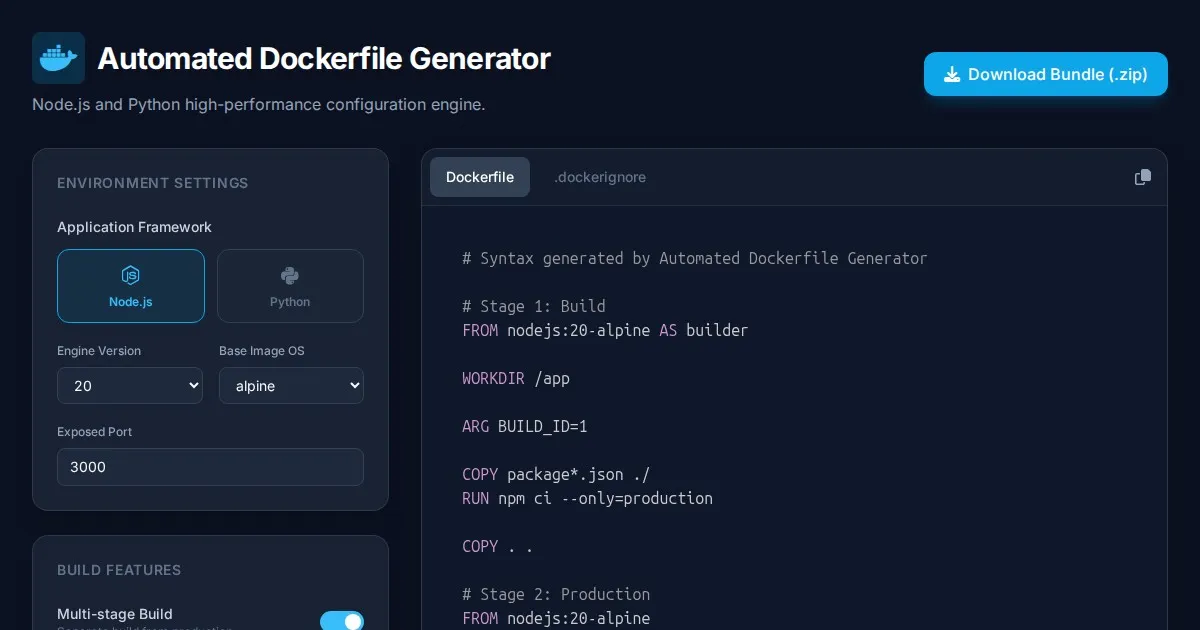
Automated Dockerfile Generator for Node.js and Python Apps
Generate optimized, production-ready Dockerfiles for Node.js and Python applications instantly. Customize base images, port configurations, and dependencies.
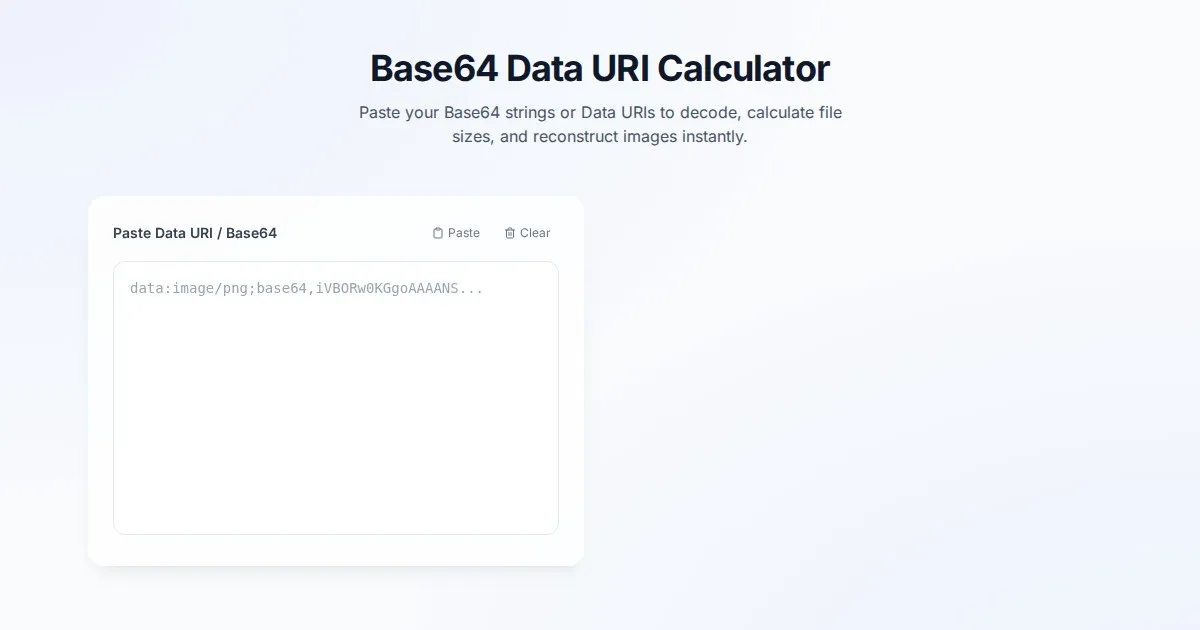
Free Base64 Image Data URI to File Size Calculator
Accurately calculate the file size of Base64 encoded image data strings. This free, web-based tool helps developers estimate binary file sizes for web apps.
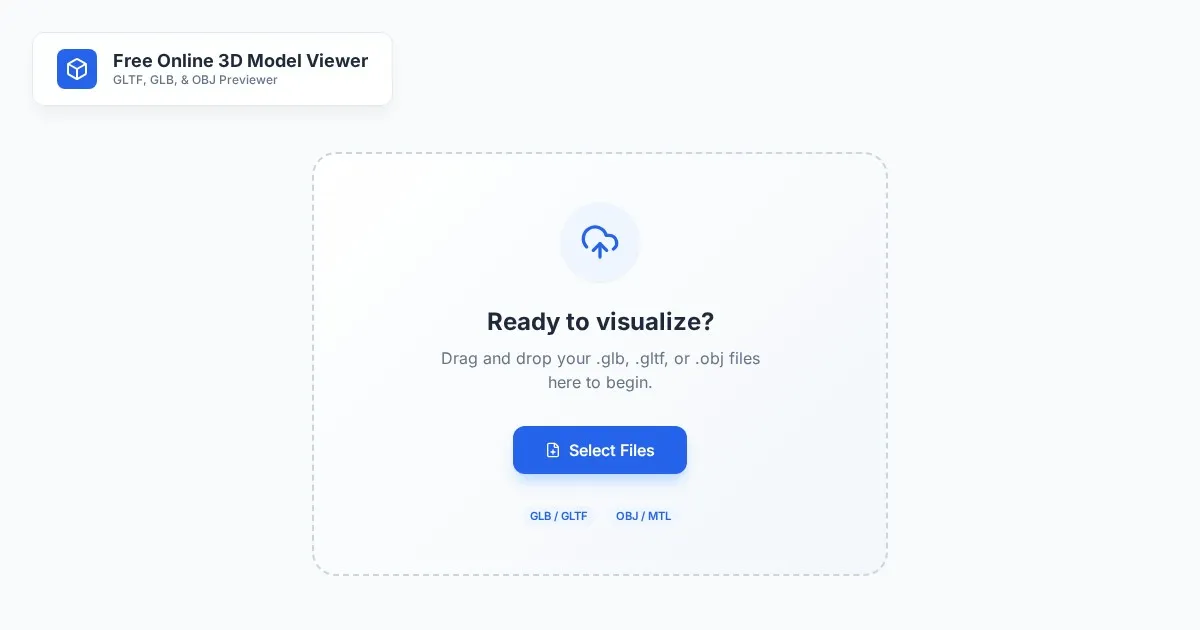
Free Online 3D Model Viewer - GLTF & OBJ File Previewer
Instantly preview 3D models online with this free 3D Model Viewer. Support for GLTF, GLB, and OBJ formats. Drag and drop your files for a fast, browser-based render.

Free Online Color Blindness Simulator & Image Filter Tool
Easily simulate color vision deficiencies like protanopia, deuteranopia, and tritanopia. Upload images to test design accessibility for color blindness.
Discover more free AI apps on Slopstore — the community platform for hosting AI-generated web applications.