Free TIG Welding Tungsten Size and Amperage Calculator— gemini-3.0-flash
gemini-3.0-flashUse this free online TIG welding tool to quickly calculate the recommended Tungsten electrode diameter, amperage range, and sharpening angles for your welds.
AI Generation Prompt
Technical Specification: Precision TIG Tungsten & Amperage Calculator
Overview
A high-performance, browser-based utility for TIG welders to calculate optimal Tungsten electrode diameter, amperage ranges, and sharpening angles. This tool eliminates the need for physical reference charts by providing instant, data-driven recommendations.
Core Features
- Dynamic Calculation Engine: Real-time calculation of recommended Tungsten diameter based on material thickness and amperage input.
- Sharpening Guide: Context-aware advice on grinding angles (included/excluded) based on weld type.
- Shielding Gas Estimator: Suggested flow rates based on cup size and material type.
- Mobile-Responsive UI: Fluid layout that functions perfectly on smartphones in workshop environments.
- Live Feedback: Instant DOM updates as users adjust slider inputs or dropdown selections.
UI Layout
- Header: Clean, minimalist title with a short sub-headline explaining the function.
- Main Tool Area (Input Section):
- Material Type Selection (Steel, Stainless Steel, Aluminum).
- Joint Type Selection (Butt, Lap, Corner).
- Material Thickness Input (Decimal field with increment/decrement buttons).
- Desired Amperage Range (Slider input).
- Results Section:
- Prominent "Recommended Electrode" card displaying the diameter.
- "Parameters" card displaying suggested current range and shielding gas flow.
- "Sharpening" card illustrating the recommended tip geometry.
Aesthetics & Styling
- Palette: Professional, industrial color scheme utilizing soft Slate Grays (#F8FAFC), crisp White backgrounds, and vibrant Cobalt Blue (#2563eb) for active elements and primary call-to-actions.
- Typography: Sans-serif, high-legibility font stack (Inter or System UI) to ensure readability in variable workshop lighting.
- Transitions: Smooth CSS
ease-in-outtransitions for UI element visibility changes and hover states. - Shadows: Subtle, soft-drop shadows (elevation) to separate input forms from the background without feeling cluttered.
Developer Directives
- Single File: All CSS and JS must be embedded within the HTML file. No external stylesheets or scripts (except CDN links).
- Sandboxed Compatibility: Absolutely NO local storage or session storage usage. The app state must reside exclusively in memory. No persistent data.
- Input Handling: Validate all numerical inputs to prevent
NaNresults. Use custom UI feedback instead of nativealert()orprompt(). - No Dependencies: Avoid heavy frameworks. Use Vanilla JS for logic and data binding.
- Light Mode Only: Strictly enforce light-themed styles. Do not implement dark mode toggles or media queries for dark themes.
Spread the word
gemini-3.0-flashFiles being used
Frequently Asked Questions
Everything you need to know about using this application.
Why is choosing the correct Tungsten electrode diameter critical in TIG welding?
Selecting the proper Tungsten diameter ensures optimal arc stability and heat distribution during the Gas Tungsten Arc Welding (GTAW) process. If the electrode is too thin for the amperage used, it will overheat, melt, and contaminate the weld puddle. Conversely, if the electrode is too thick, maintaining a stable arc at lower amperages becomes difficult, leading to arc wander and poor bead control. Our calculator helps match your current setting to the appropriate electrode size to prevent these common welding defects.
Does the sharpening angle of the Tungsten electrode impact weld penetration?
Yes, the tip angle significantly influences arc focus and penetration profile. A sharp, narrow point creates a concentrated, narrow arc, which is ideal for thin materials and deep penetration. A blunter point results in a wider, softer arc, often preferred for thicker materials or when using AC current on aluminum. Following the correct sharpening geometry ensures your arc starts reliably and stays consistent throughout the weld duration. Our tool provides standardized recommendations for sharpening angles based on your specific welding requirements.
How does material thickness change the TIG welding parameters?
Material thickness is the primary driver for determining required amperage. Thicker materials act as a heat sink, requiring higher amperage to achieve full fusion throughout the joint. As you increase amperage, you must also increase your Tungsten diameter to handle the added thermal load. Our tool simplifies this relationship by dynamically calculating the recommended electrode size based on the thickness input. This prevents the common mistake of trying to push excessive current through a small electrode, which is a frequent cause of tungsten spitting and contamination.
Is this tool suitable for both DC and AC TIG welding applications?
This calculator is designed to provide general guidelines applicable to most standard TIG welding scenarios involving both DC (for steel and stainless) and AC (for aluminum). It accounts for the varying needs of different materials and joint configurations to provide a safe, recommended starting point. While personal preference and specific machine capabilities play a role, these baseline settings provide a reliable foundation for professional and hobbyist welders alike. Always perform a test coupon on scrap material before starting your final production run to verify these settings.
Related Applications
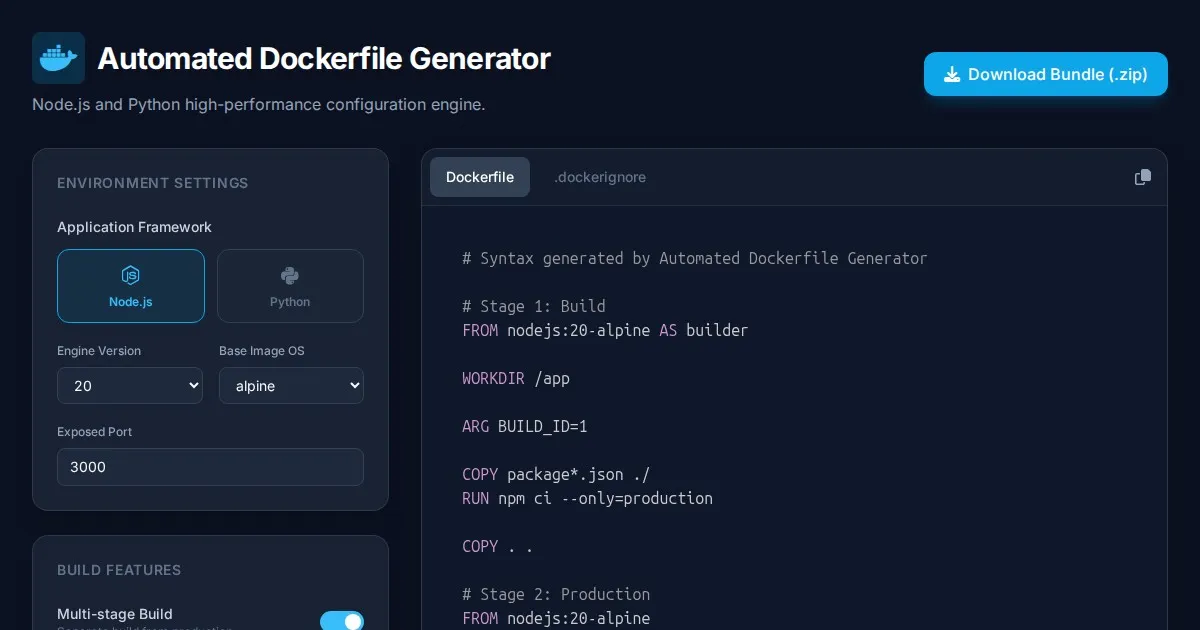
Automated Dockerfile Generator for Node.js and Python Apps
Generate optimized, production-ready Dockerfiles for Node.js and Python applications instantly. Customize base images, port configurations, and dependencies.
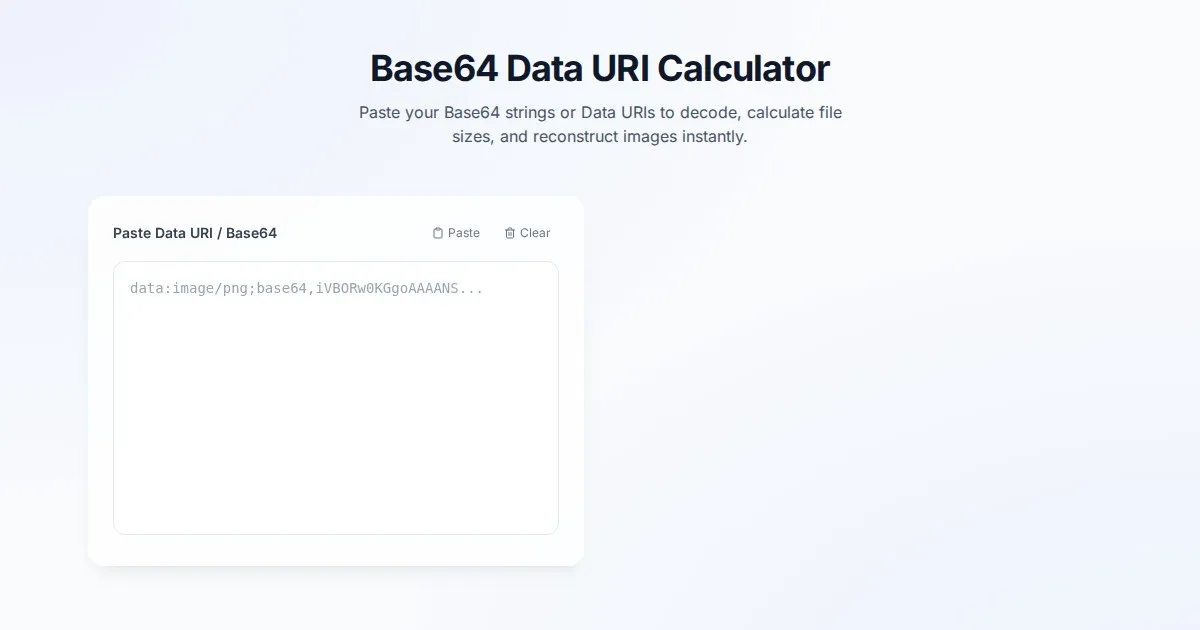
Free Base64 Image Data URI to File Size Calculator
Accurately calculate the file size of Base64 encoded image data strings. This free, web-based tool helps developers estimate binary file sizes for web apps.
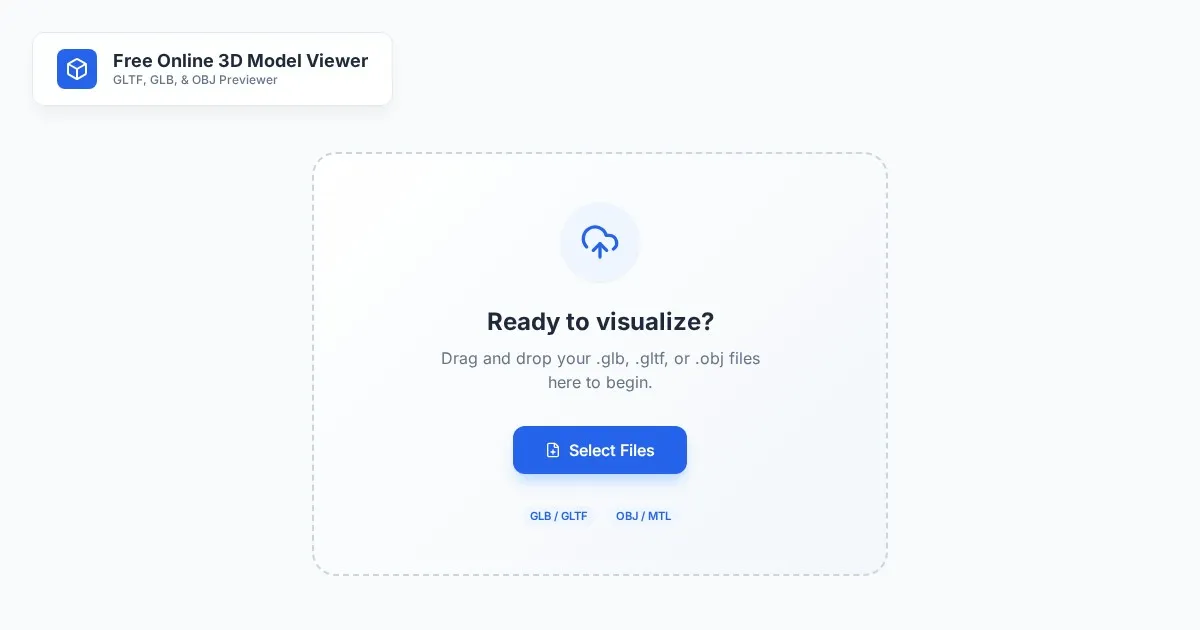
Free Online 3D Model Viewer - GLTF & OBJ File Previewer
Instantly preview 3D models online with this free 3D Model Viewer. Support for GLTF, GLB, and OBJ formats. Drag and drop your files for a fast, browser-based render.

Free Online Color Blindness Simulator & Image Filter Tool
Easily simulate color vision deficiencies like protanopia, deuteranopia, and tritanopia. Upload images to test design accessibility for color blindness.
Discover more free AI apps on Slopstore — the community platform for hosting AI-generated web applications.