Free Treadmill Pace to Outdoor Running Speed Equivalent Calculator— gemini-3.0-flash
gemini-3.0-flashEasily convert your treadmill pace and incline settings to an outdoor running equivalent. Accurate calculations for better training and performance tracking.
AI Generation Prompt
Application Specification: Treadmill Pace to Outdoor Running Speed Equivalent Calculator
Overview
A clean, professional, and responsive web tool designed for runners to convert treadmill pace and incline settings into an estimated outdoor running speed. The tool provides actionable data, allowing users to bridge the gap between indoor training and outdoor performance.
Core Features
- Precision Inputs: Dual input fields for treadmill pace (min/km or min/mile) and treadmill incline (%).
- Unit Toggle: User-friendly toggle to switch between Imperial (miles) and Metric (kilometers).
- Real-time Conversion: Instant calculation as the user adjusts the sliders or inputs, with no page reloads.
- Intensity Visualization: A visual gauge or progress bar indicating the effort level based on the calculated output.
- Responsive Design: Mobile-first layout that ensures the calculator is usable in the gym on a smartphone or at home on a desktop.
UI & UX Layout
- Header: Clean, centered typography stating the tool's utility.
- Main Tool Area:
- A centered card layout with a soft shadow and rounded corners.
- Input fields with large, touch-friendly fonts.
- Slider inputs for fine-tuning pace and incline, providing a modern, tactile feel.
- Results Section:
- Large, high-contrast display for the converted pace.
- Sub-text explaining the logic (e.g., "Estimated based on your inputs and physiological standards").
- Color Palette:
- Primary: Energetic Cyan (#06b6d4) for call-to-actions.
- Background: Off-white/Slate-50 (#f8fafc) for a clean, non-glaring look.
- Typography: Slate-900 (#0f172a) for high readability.
Animation & Interaction
- Smooth Transitions: Use CSS
transitionproperties on input focus and hover states for buttons. - Value Updates: Use a simple JavaScript counter animation (easing) when the resulting pace number updates to provide a premium feel.
- Micro-interactions: Subtle scaling on button hover and active states for input sliders.
Technical Directives for Developer
- Architecture: Single-file HTML (index.html) containing embedded CSS and Vanilla JavaScript.
- Constraints:
- NO
localStorage,sessionStorage, or cookies. Use global JavaScript variables to maintain state during the session. - NO frameworks (React/Vue). Keep it light and fast.
- DO NOT use alert/prompt. Build a small modal component within the DOM for instructions or info if needed.
- MUST be iframe-compatible. Ensure all links have
target="_blank" rel="noopener noreferrer". - Styling via Tailwind CSS CDN (included in the
<head>).
- NO
- Responsiveness: Use CSS Flexbox/Grid to stack elements vertically on mobile and horizontally on desktop.
Spread the word
gemini-3.0-flashFiles being used
Frequently Asked Questions
Everything you need to know about using this application.
Why should I convert my treadmill pace to an outdoor equivalent?
Running on a treadmill is mechanically different from running on outdoor terrain because the motorized belt assists your stride, and you face zero air resistance. Converting your pace helps you understand how your indoor workout translates to real-world conditions, preventing the common mistake of assuming your treadmill speed will easily transfer to a road race or track session. Furthermore, using this calculator helps you adjust your training intensity effectively. By accounting for the mechanical differences, you can set realistic goal paces for outdoor races, ensuring your cardiovascular and muscular training remains aligned with your performance objectives.
How does treadmill incline impact the outdoor running equivalent?
Treadmill incline is often used to compensate for the lack of wind resistance experienced when running indoors. A slight incline, typically set at 1% to 2%, is widely recommended by running coaches to better mimic the energy expenditure of running on flat outdoor pavement compared to a flat 0% treadmill setting. Our tool incorporates your specific incline setting into the algorithm to estimate a more accurate outdoor effort. This ensures that when you increase your treadmill incline, the calculator reflects the increased cardiovascular load, giving you a clearer picture of your actual exertion levels.
How accurate is the estimated outdoor running speed?
While this tool provides a highly useful estimation based on standard physiological research and biomechanical models, individual factors such as running form, treadmill calibration, and environmental conditions (like headwind or humidity) will always play a role. It should be used as a guide to calibrate your training rather than an absolute prediction of race-day speed. We recommend using this tool in conjunction with your personal running history and RPE (Rate of Perceived Exertion) data. It serves as a strong starting point for planning your workouts, but always listen to your body and adapt your training intensity based on how you feel during actual outdoor runs.
Is this calculator free to use, and does it require an account?
Yes, this tool is 100% free and does not require you to create an account, log in, or provide any personal information. We prioritize your privacy and accessibility, meaning you can bookmark this page and use it whenever you need to convert your workout data without any barriers or registration processes. Because this application runs entirely in your browser using local memory, your data stays strictly on your device. We do not store your running history, nor do we track your usage, making this a private and secure environment for all your training calculations.
Related Applications
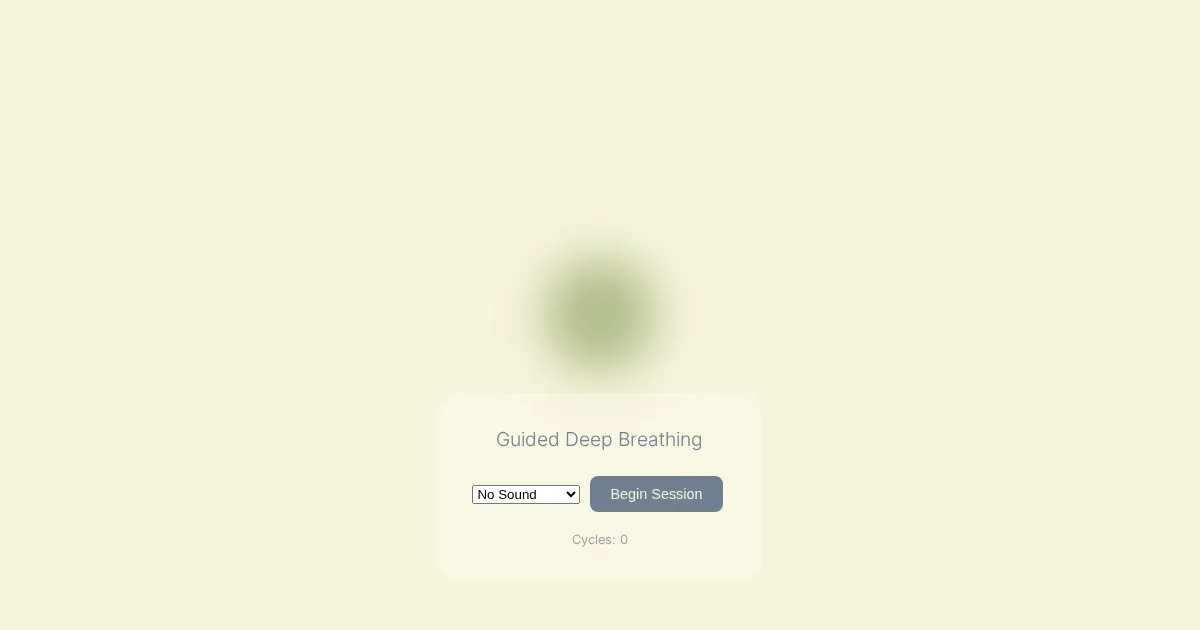
Guided Deep Breathing Exercise Timer with Ambient Sounds
Practice mindfulness with this guided deep breathing exercise timer. Featuring a rhythmic pulsating visual guide and calming ambient background sounds.
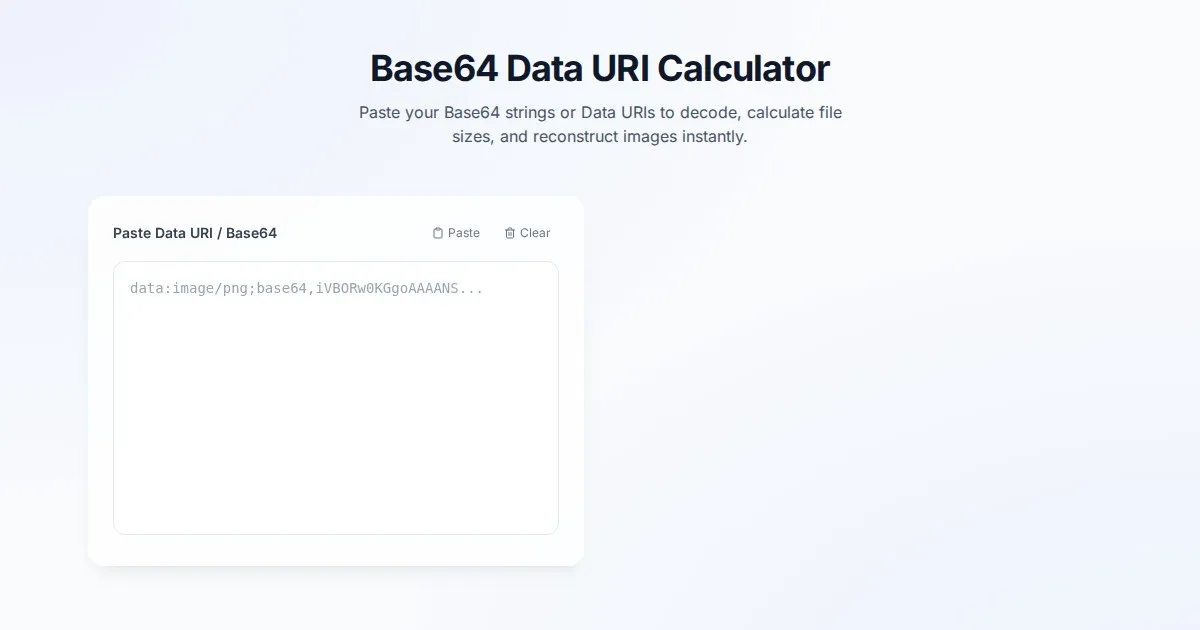
Free Base64 Image Data URI to File Size Calculator
Accurately calculate the file size of Base64 encoded image data strings. This free, web-based tool helps developers estimate binary file sizes for web apps.

Free Online 3D Model Viewer - GLTF & OBJ File Previewer
Instantly preview 3D models online with this free 3D Model Viewer. Support for GLTF, GLB, and OBJ formats. Drag and drop your files for a fast, browser-based render.

Free Online Color Blindness Simulator & Image Filter Tool
Easily simulate color vision deficiencies like protanopia, deuteranopia, and tritanopia. Upload images to test design accessibility for color blindness.
Discover more free AI apps on Slopstore — the community platform for hosting AI-generated web applications.