Free Vertical Video Safe Zone Overlay Visualizer— gemini-3.0-flash
gemini-3.0-flashUse this free, browser-based tool to overlay safe zones on your vertical videos. Ensure text and UI elements remain visible across all social media devices.
AI Generation Prompt
Application Specification: Vertical Video Safe Zone Visualizer
This application is a specialized, client-side utility designed to help content creators verify that their vertical video content (typically 9:16 aspect ratio) stays within the "safe zones"—areas of the screen not covered by social media app UI elements.
1. Core Architecture & Constraints
- Single File: The entire application must be contained in one index.html file. All CSS and JS must be embedded or served via secure CDN links.
- Storage: No usage of
localStorage,sessionStorage, cookies, or database calls. All operations must be in-memory. - Sandboxed Compatibility: The app must function in a sandboxed iframe. No popups or external navigation.
- Aesthetic: Modern, clean, professional SaaS aesthetic. Strict light-mode (use soft whites, light grays, and high-contrast blue/slate accents).
2. Feature Set
- Drag-and-Drop Uploader: An intuitive file input zone that accepts common video formats (MP4, MOV, WebM).
- Video Player Interface: A native HTML5 video player implementation with play/pause, seek, volume, and full-screen controls.
- Overlay Layers (Toggleable):
- Caption Area Overlay: Highlights the area commonly obscured by video titles and descriptions.
- UI Action Overlay: Highlights areas obscured by like, comment, share, and profile buttons.
- Grid Lines: Rule-of-thirds grid for composition balancing.
- Responsive Preview: A dynamic viewport that respects the 9:16 ratio regardless of the user's browser window width.
- Export Screenshot: A feature to take a snapshot of the video frame with the overlay, allowing users to save it as a reference guide.
3. UI Layout
- Header: Simple, clean, centered branding text: "Vertical Video Safe Zone Visualizer".
- Main Tool Area:
- Left/Top Column (Settings): A control panel with toggles for the different overlay layers and a button to upload/change the video file.
- Right/Bottom Column (Preview): The video container. The video will occupy the center, and the overlay SVG/Canvas will be positioned absolutely over the video, scaling proportionally.
- Styling: Use a crisp white background (
#ffffff), subtle borders (#e5e7eb), and rounded corners (0.5rem). Use a primary accent color like a deep blue (#2563eb) for active buttons and toggle states.
4. Technical Implementation Directives
- CSS: Use Tailwind CSS via CDN for styling to ensure rapid, consistent design without a build step.
- Transitions: Use CSS transitions (e.g.,
transition-all,duration-200) for all UI interactions (toggles, hovering, buttons) to ensure a premium feel. - Performance: Use
URL.createObjectURL(file)to load videos from the local system without uploading to a server. - Responsiveness: Use Flexbox/Grid to ensure the control panel moves below the video preview on mobile screens.
Spread the word
gemini-3.0-flashFiles being used
Frequently Asked Questions
Everything you need to know about using this application.
Why do I need a safe zone overlay for my videos?
When creating content for short-form video platforms, various UI elements—such as the caption, profile name, like buttons, and comment icons—overlap the bottom and right portions of the screen. A safe zone overlay helps you visualize these specific blind spots, ensuring your critical information, such as titles, headlines, or call-to-action text, isn't obscured by the app's interface elements. Without this visual guide, you might accidentally place important text behind the caption area or have the video progress bar cover crucial details at the bottom of the screen. Using a precise overlay allows you to edit with confidence, knowing exactly how the final video will appear to your viewers across various mobile device types and aspect ratios.
Is this tool safe to use with my private video files?
Yes, this application is designed with privacy and security at its core. Because this tool runs entirely on the client-side within your own web browser, none of your video data is ever uploaded to a server, processed in the cloud, or saved to a database. Everything happens locally within your device's memory. Since no data transmission occurs, your media remains private and secure throughout the entire process. Once you close the browser tab or refresh the page, all session data is permanently cleared from your device's RAM. This architecture makes our tool a secure, trusted solution for content creators who prioritize privacy during their editing workflows.
How do I use this overlay with my video editing software?
You can use this tool as a final verification step or as a reference guide during your editing process. After you have finished editing your video, you can upload your exported MP4 or MOV file to this tool to verify that your composition adheres to standard mobile safe zone guidelines before publishing. It provides an immediate visual confirmation of your layout. Alternatively, many creators find it helpful to use this tool to generate a transparent PNG guide that they can import into professional editing software like Adobe Premiere Pro, DaVinci Resolve, or Final Cut Pro. By laying this guide over your timeline, you can ensure that your subtitles, faces, and other critical visual assets are perfectly framed from the start of your project.
Does this tool work on mobile devices?
Yes, our vertical video safe zone visualizer is fully responsive and optimized for mobile devices. Whether you are working on a desktop, tablet, or smartphone, the interface automatically adapts to provide you with a clean, functional workspace that lets you check your video layouts on the go. Because the tool is entirely web-based and built for modern browsers, it maintains high performance without requiring any installation or heavy software downloads. You can quickly upload your video, toggle the safe zone overlays, and verify your composition directly from your mobile browser, making it an excellent utility for on-the-spot video quality assurance.
Related Applications
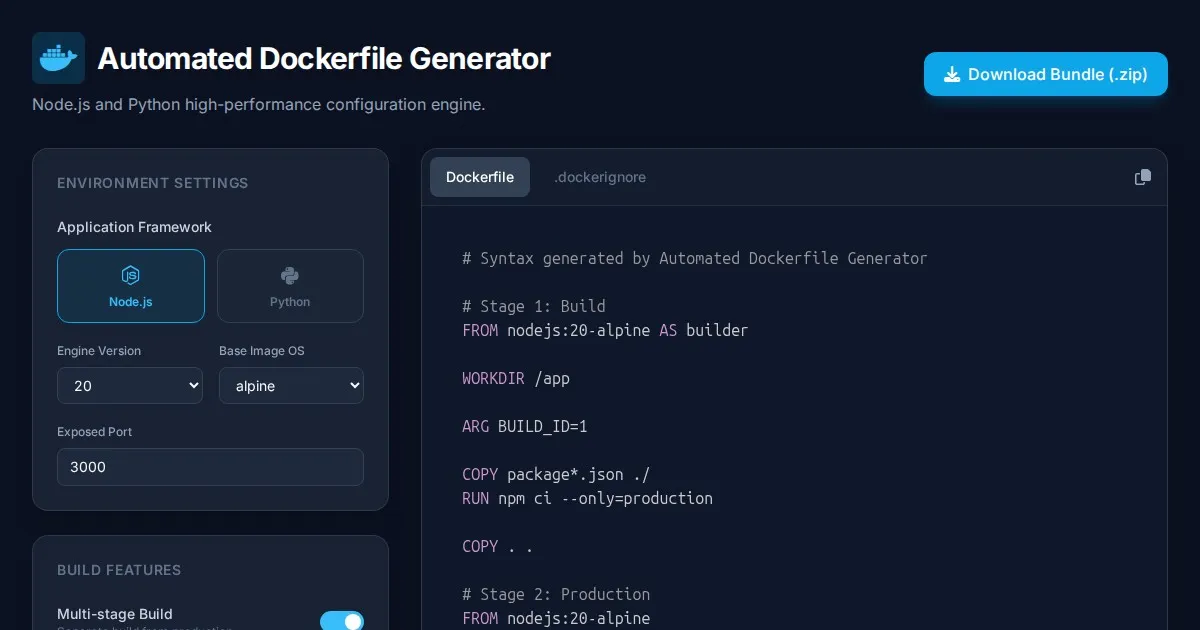
Automated Dockerfile Generator for Node.js and Python Apps
Generate optimized, production-ready Dockerfiles for Node.js and Python applications instantly. Customize base images, port configurations, and dependencies.
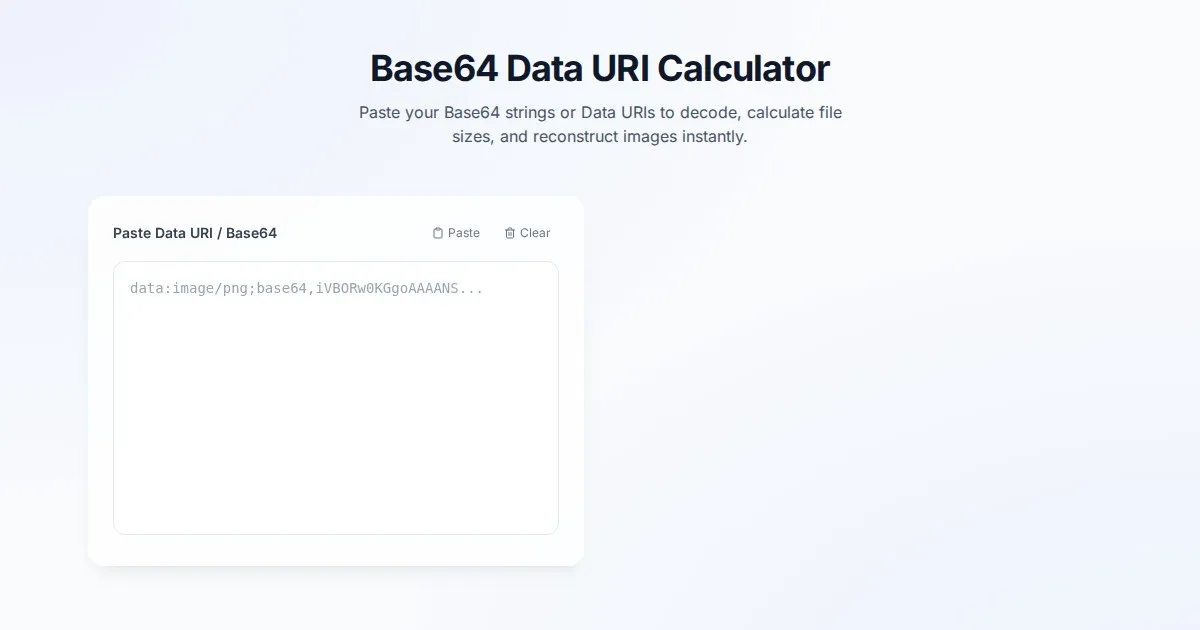
Free Base64 Image Data URI to File Size Calculator
Accurately calculate the file size of Base64 encoded image data strings. This free, web-based tool helps developers estimate binary file sizes for web apps.
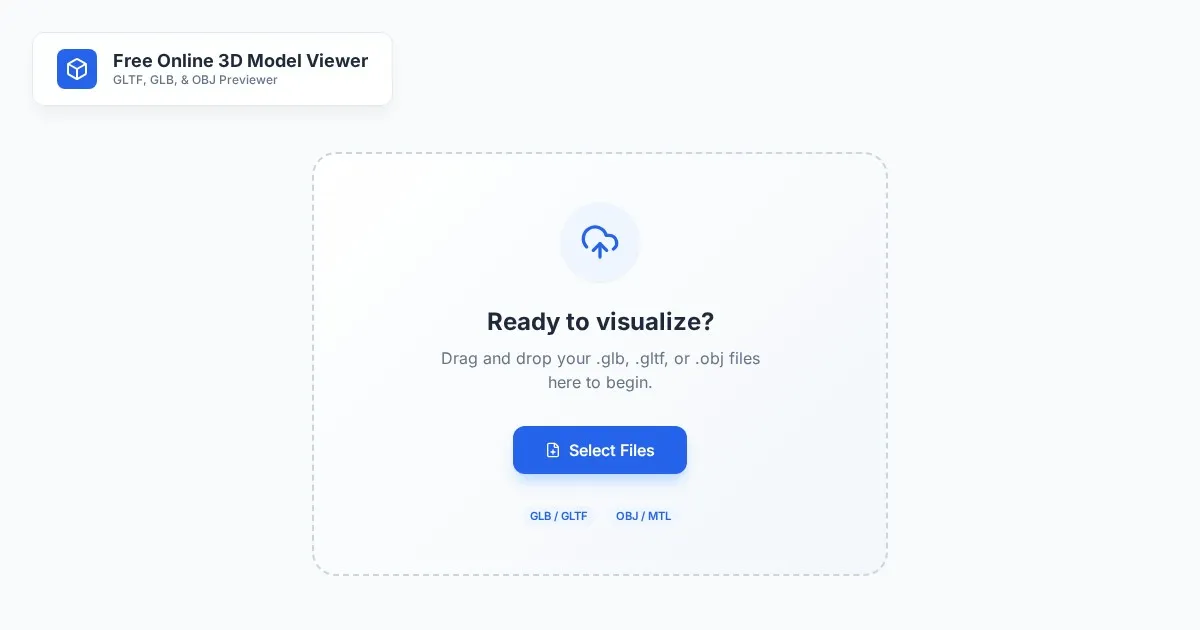
Free Online 3D Model Viewer - GLTF & OBJ File Previewer
Instantly preview 3D models online with this free 3D Model Viewer. Support for GLTF, GLB, and OBJ formats. Drag and drop your files for a fast, browser-based render.

Free Online Color Blindness Simulator & Image Filter Tool
Easily simulate color vision deficiencies like protanopia, deuteranopia, and tritanopia. Upload images to test design accessibility for color blindness.
Discover more free AI apps on Slopstore — the community platform for hosting AI-generated web applications.