Free VESA Mount Screw Size and Screen Weight Calculator— gemini-3.0-flash
gemini-3.0-flashCalculate the correct VESA mount screw size (M4, M6, M8) and monitor weight capacity for your display setup. Use this free online tool for safe mounting.
AI Generation Prompt
Technical Specification: Universal VESA Mounting Hardware & Safety Calculator
1. Executive Summary
This application is a single-file, browser-based utility designed to help users identify the correct VESA screw sizes and verify safety metrics for mounting flat-panel displays. It provides a clean, intuitive, and mobile-responsive interface that performs all calculations in-memory, ensuring full compatibility with sandboxed iframe environments.
2. Core Features
- Pattern Selector: A UI selector to choose standard VESA patterns (e.g., 75x75, 100x100, 200x100, 200x200, 400x400).
- Screw Size Generator: Automatically maps the selected VESA pattern to standard screw diameters (M4, M6, M8).
- Weight Capacity Logic: An input field for the user to enter their display's weight, which is then compared against common mounting standards to provide a safety confirmation.
- Depth Guide: Visual indicators for appropriate screw depth based on VESA standards.
- Safety Warnings: Embedded, context-aware alerts to prevent hardware damage.
- Print-Ready View: A simplified CSS media query for printing a "Mounting Checklist" from the results.
3. UI Layout Specification
- Header: Simple title and brief descriptive tagline.
- Main Tool Area: A two-column layout on desktop (split into 'Configuration' and 'Hardware Results').
- Configuration Panel: Dropdowns for VESA patterns and number inputs for weight (kg/lbs toggle).
- Results Panel: A card-based display showing the "Recommended Screw Size," "Minimum Thread Engagement," and "Safety Status."
- Aesthetic: Clean, professional light-mode aesthetic using Tailwind CSS for layout. No dark mode.
4. Design & Aesthetic Directive
- Color Palette: High-contrast professional blues, cool greys, and crisp white backgrounds.
- Typography: System-ui or Inter font stacks for a modern SaaS feel.
- Transitions: Smooth CSS transitions for card expansions and input focus states (ease-in-out, 0.2s).
- Shadows: Soft, diffused shadows (shadow-md) to create depth on result cards.
5. Development Constraints (Strict)
- Architecture: Single HTML file only. CSS/JS embedded within
<style>and<script>tags. - Zero External Storage: Do NOT use
localStorage,sessionStorage, or cookies. Maintain all user selections in a singleconst appState = {}JavaScript object. - Sandboxed Compatibility: Ensure all functionality works within a
nullorigin iframe. Use nativewindow.print()if printing is required. - Responsive Design: Mobile-first approach. At mobile widths (<768px), the layout must stack the Configuration and Results panels vertically with 1rem gutters.
- No Branding: No logos, fictional names, or marketing fluff. The tool must remain purely functional and descriptive.
Spread the word
gemini-3.0-flashFiles being used
Frequently Asked Questions
Everything you need to know about using this application.
Why is selecting the correct screw size important?
Using the wrong screw size can lead to catastrophic hardware failure, where your monitor might detach from its mount. If a screw is too long, it can pierce the chassis and damage sensitive internal components, while screws that are too short may not engage enough threads to provide a secure grip. Ensuring the correct thread pitch and diameter is critical for maintaining the structural integrity of your setup. Our calculator verifies that your chosen hardware matches the specific VESA standard hole pattern, providing peace of mind that your display is properly supported and secure.
How do I correctly identify my VESA hole pattern?
VESA hole patterns are measured in millimeters, representing the horizontal and vertical distance between the four screw holes on the back of your display. The most common standard is 100x100mm, though larger screens often utilize 200x100mm, 200x200mm, or even larger configurations. To determine yours, simply use a ruler or tape measure to find the exact distance between the centers of the mounting holes. Once you have these dimensions, our tool will instantly match them to the corresponding industry-standard hardware requirements for a perfect fit.
Is it safe to use longer screws if they fit inside the hole?
No, it is never safe to use longer screws simply because they appear to fit the external hole. Monitors have limited depth for mounting hardware, and excessive screw length can penetrate the display's back cover, potentially puncturing power supplies, logic boards, or the panel itself. Always adhere to the manufacturer's recommended depth and the specific length requirements provided by your mounting hardware. Our tool helps calculate the appropriate depth to ensure a secure, flush fit without risking internal damage to your valuable display equipment.
What should I do if my screen weight exceeds the mount capacity?
If your monitor's weight exceeds the maximum capacity of your VESA mount, you must not proceed with the installation. Mounting an overweight display is a major safety hazard that risks the mount failing under load, leading to equipment damage, property loss, or personal injury. If you encounter this issue, you should look for a heavy-duty mount specifically rated for higher weight capacities. It is always better to over-engineer your mounting solution by choosing a mount with a weight rating comfortably above your display’s actual weight for long-term reliability.
Related Applications
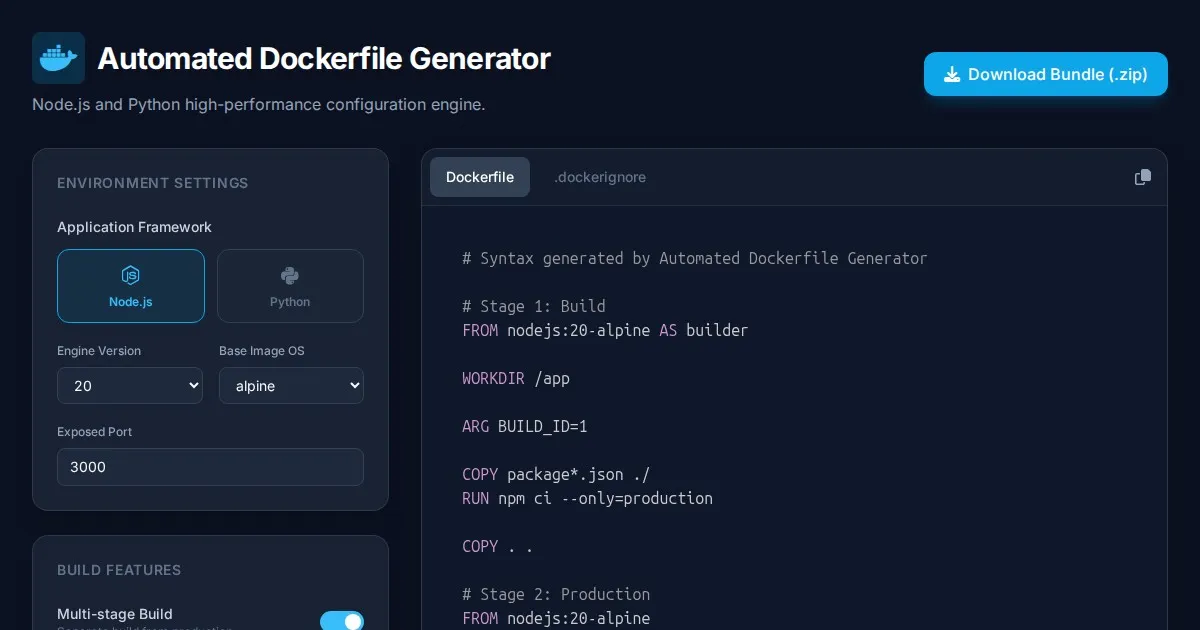
Automated Dockerfile Generator for Node.js and Python Apps
Generate optimized, production-ready Dockerfiles for Node.js and Python applications instantly. Customize base images, port configurations, and dependencies.
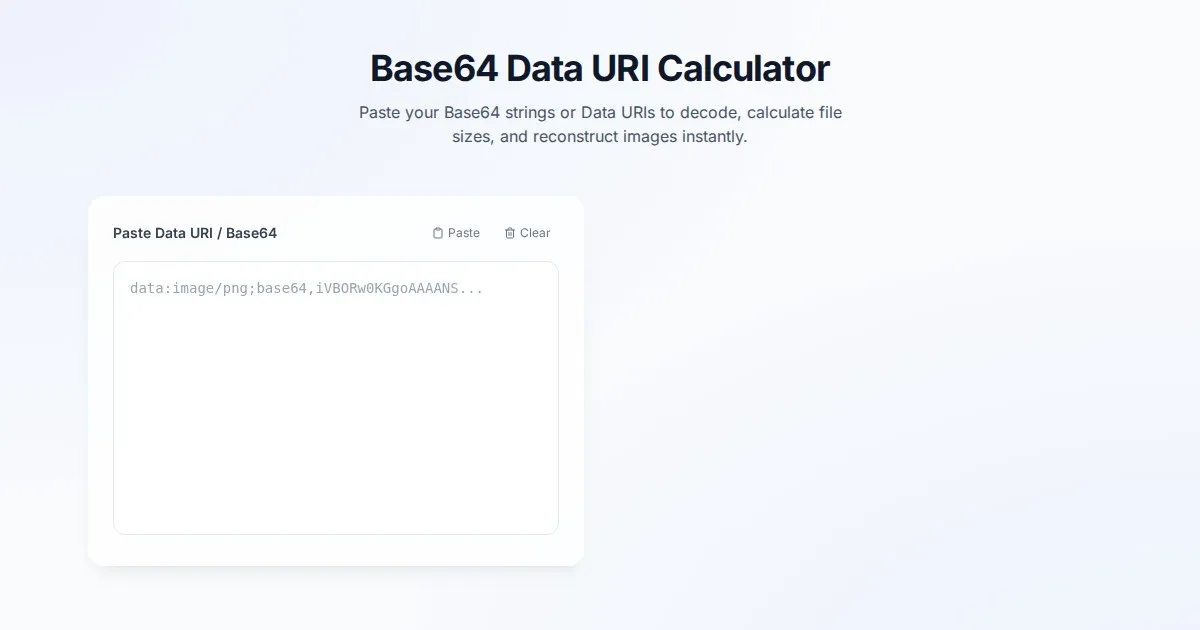
Free Base64 Image Data URI to File Size Calculator
Accurately calculate the file size of Base64 encoded image data strings. This free, web-based tool helps developers estimate binary file sizes for web apps.
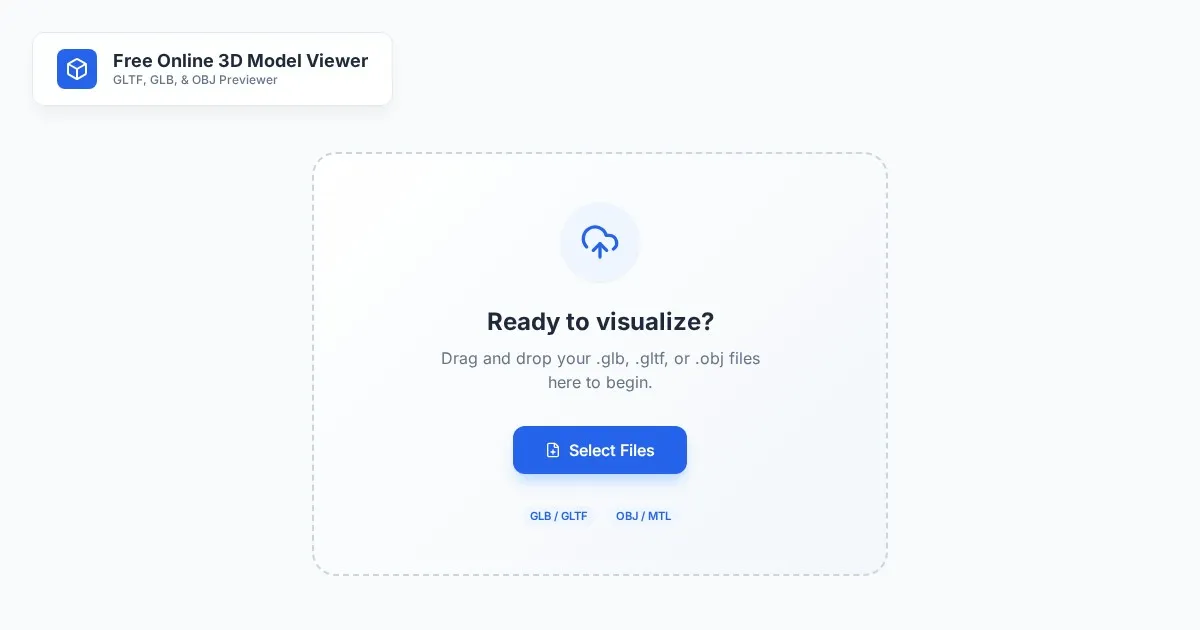
Free Online 3D Model Viewer - GLTF & OBJ File Previewer
Instantly preview 3D models online with this free 3D Model Viewer. Support for GLTF, GLB, and OBJ formats. Drag and drop your files for a fast, browser-based render.
Free Online Color Blindness Simulator & Image Filter Tool
Easily simulate color vision deficiencies like protanopia, deuteranopia, and tritanopia. Upload images to test design accessibility for color blindness.
Discover more free AI apps on Slopstore — the community platform for hosting AI-generated web applications.