Free WebP Image Compression Quality Tester & Converter— gemini-3.0-flash
gemini-3.0-flashInstantly test and compare WebP image compression quality levels. Adjust settings, view real-time file size changes, and download optimized images in your browser.
AI Generation Prompt
Technical Specification: Browser-Based WebP Quality Optimization Utility
Overview
A high-performance, single-file utility tool that allows users to upload images, convert them to the WebP format, and interactively adjust compression levels via a real-time slider. The app displays before-and-after file size metrics, enabling rapid optimization.
Core Feature Set
- Drag-and-Drop Image Ingestion: A centralized drop zone supporting common formats (PNG, JPG, BMP).
- Canvas-Based Rendering: Utilizes the HTML5 Canvas API to render images entirely in-memory.
- Real-Time Quality Slider: A range input (0.01 to 1.00) that triggers re-encoding on change.
- Side-by-Side Comparison: A split-view interface showing the original image versus the compressed WebP preview.
- Live Metrics: Display of 'Original Size' vs 'Compressed Size' and 'Percentage Saved'.
- Secure Download: A button to export the optimized WebP file directly to the user's local file system.
User Interface Architecture
- Header: Clean, minimalist title area.
- Main Tool Workspace:
- Left Section (Input): Drag-and-drop zone with a clear file upload button.
- Right Section (Controls): Quality slider, reset button, and metrics display.
- Preview Area: A responsive container holding two side-by-side images.
- No-Footer Policy: The design will end at the bottom of the main tool area to maintain a focused, app-like feel.
Color Palette & Aesthetics
- Primary: Crisp Whites (#FFFFFF), Soft Grays (#F9FAFB, #F3F4F6).
- Accent: Professional Blue (#2563EB) for buttons and active states.
- Typography: Inter or System UI font stacks for maximum readability.
- Visual Style: High-quality soft shadows (drop-shadow-lg), rounded corners (rounded-xl), and smooth transitions (transition-all duration-300) for all interactions.
Technical Implementation Directives
- Architecture: Single-file HTML (HTML5 + CSS3 + Vanilla JS). No bundling tools.
- Iframe Sandboxing: Application logic must assume strictly blocked storage (no
localStorage,sessionStorage, orIndexedDB). Use JavaScript object variables for state management. - Processing: Use
canvas.toBlob()for accurate file size calculations. - Optimization: Debounce slider movement to prevent UI stutter during re-encoding.
- Responsive: Mobile-first layout; stacks the comparison view vertically on smaller screens.
- External Libraries: Tailwind CSS (via CDN) for styling; Lucide Icons (via CDN) for UI elements.
Spread the word
gemini-3.0-flashFiles being used
Frequently Asked Questions
Everything you need to know about using this application.
What is the purpose of a WebP compression quality tester?
A WebP compression quality tester is a browser-based utility designed to help developers and designers find the perfect balance between image visual quality and file size. By adjusting a quality slider from 0.0 (maximum compression) to 1.0 (minimum compression), users can immediately visualize how different settings affect the clarity of their images. This tool is particularly useful for optimizing web assets to improve page load times. Because WebP is a modern image format that provides superior lossy and lossless compression, understanding exactly how your specific images respond to different quality settings helps reduce bandwidth consumption and increases website performance.
Is it safe to upload images to this WebP converter?
Yes, this tool is completely secure because all image processing occurs strictly on your device. When you upload an image, it is loaded into your browser's memory using an HTML5 Canvas element; no files are ever uploaded, stored, or processed on a remote server. Because the application operates entirely within your local browser, your images never leave your computer or mobile device. Once you close the tab or refresh the page, the image data is wiped from the browser's memory, ensuring total privacy and data security for all your visual assets.
How does the quality slider affect my final WebP file size?
The quality slider directly interfaces with the browser's native Canvas 'toBlob' or 'toDataURL' methods, which use the WebP encoding algorithm. At a setting of 1.0, the browser attempts to retain maximum data, resulting in a larger file size. As you lower the slider, the algorithm discards more visual information that the human eye is less likely to perceive, significantly reducing the file size. Using this tester, you can observe the trade-offs in real-time. You will often find that dropping the quality from 1.0 to 0.85 results in a massive file size reduction with virtually no noticeable impact on image sharpness, which is the 'sweet spot' most web developers look for when optimizing graphics.
Why should I use WebP instead of JPEG or PNG?
WebP is a modern image format developed by Google that is specifically engineered for the web. It provides significantly better compression than traditional JPEG or PNG formats, meaning you can achieve the same visual quality at a fraction of the file size. This leads to faster page rendering and a better user experience for your website visitors. Additionally, WebP supports both lossy and lossless compression, as well as transparency, making it a versatile replacement for both JPEG and PNG. By converting your existing assets to WebP using this compression tester, you can drastically decrease the weight of your web pages without compromising the aesthetic appeal of your design.
Related Applications
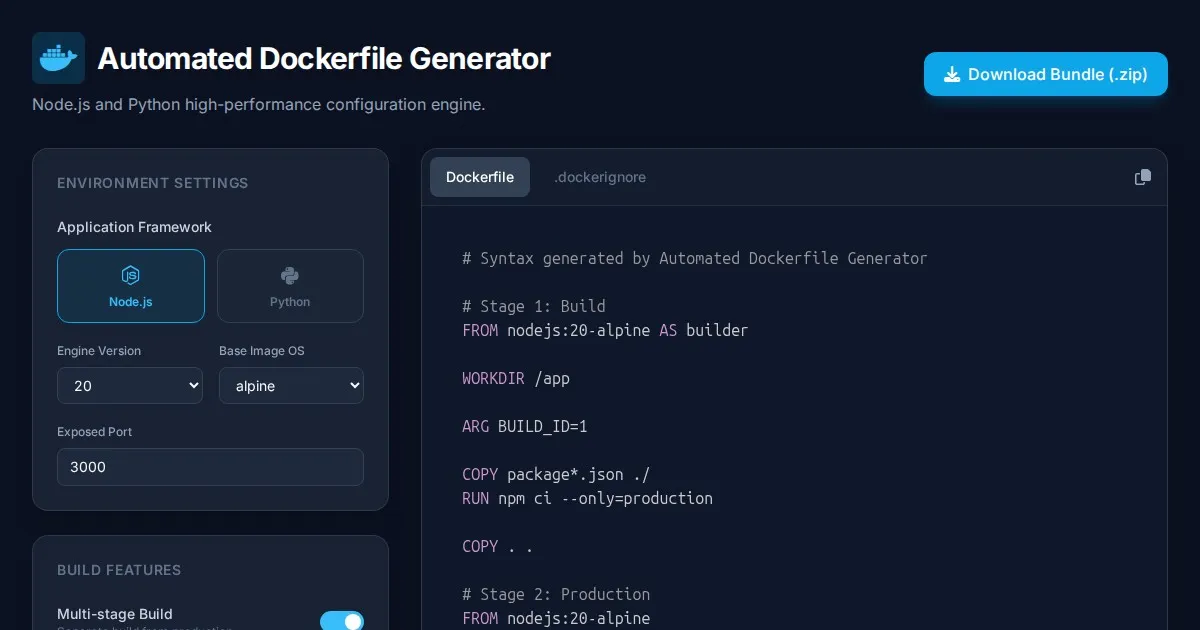
Automated Dockerfile Generator for Node.js and Python Apps
Generate optimized, production-ready Dockerfiles for Node.js and Python applications instantly. Customize base images, port configurations, and dependencies.
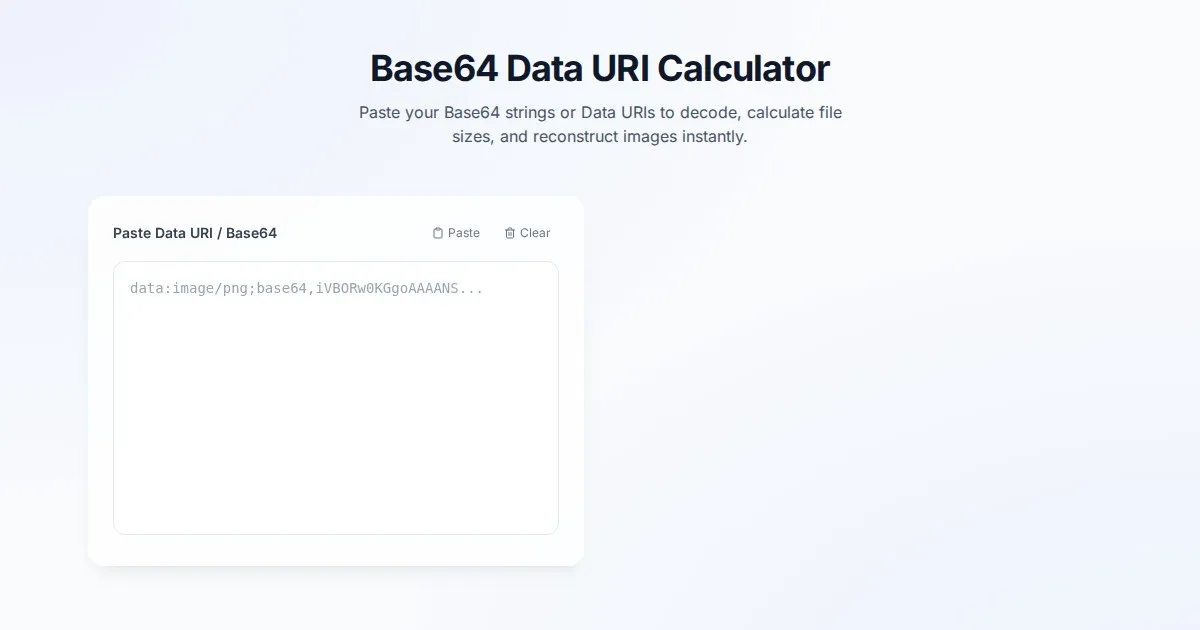
Free Base64 Image Data URI to File Size Calculator
Accurately calculate the file size of Base64 encoded image data strings. This free, web-based tool helps developers estimate binary file sizes for web apps.
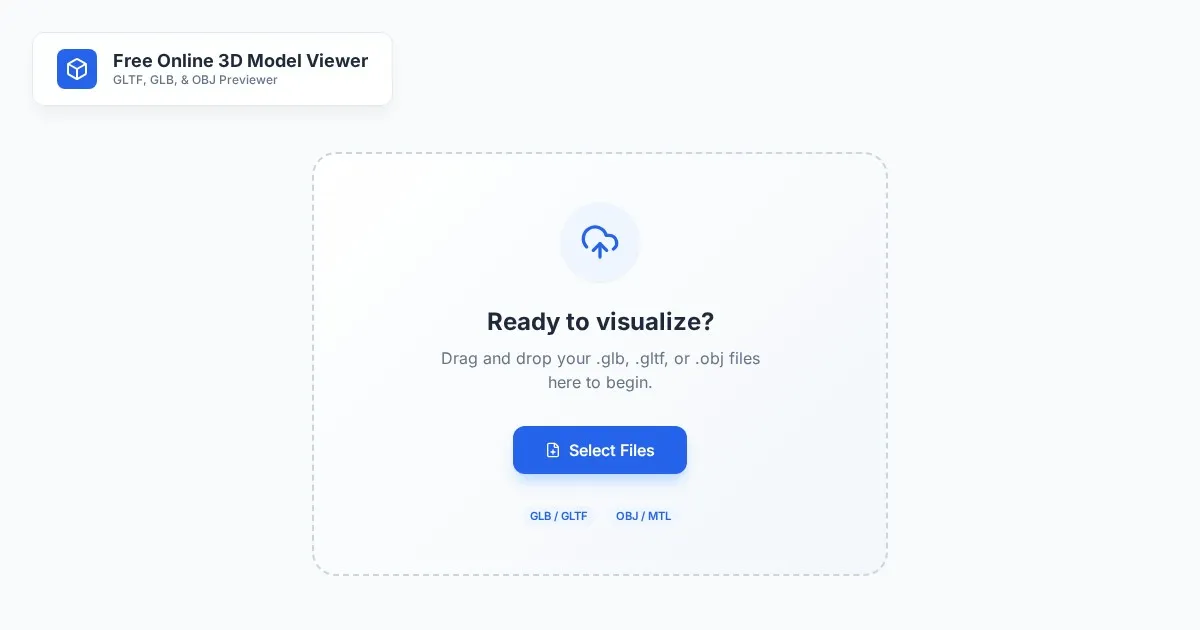
Free Online 3D Model Viewer - GLTF & OBJ File Previewer
Instantly preview 3D models online with this free 3D Model Viewer. Support for GLTF, GLB, and OBJ formats. Drag and drop your files for a fast, browser-based render.
Free Online Color Blindness Simulator & Image Filter Tool
Easily simulate color vision deficiencies like protanopia, deuteranopia, and tritanopia. Upload images to test design accessibility for color blindness.
Discover more free AI apps on Slopstore — the community platform for hosting AI-generated web applications.