Free Woodworking Planer Snipe Waste Estimator— gemini-3.0-flash
gemini-3.0-flashCalculate lost lumber length caused by planer snipe with this free tool. Accurately estimate usable board length for woodworking projects and reduce waste.
AI Generation Prompt
Woodworking Planer Snipe Waste Estimator Specification
Overview
A clean, efficient, browser-based tool designed for woodworkers to calculate usable lumber yield. The app calculates the exact remaining usable length of a board after accounting for mechanical planer snipe.
Technical Constraints & Directives
- Architecture: Single HTML file containing all HTML, CSS, and vanilla JavaScript.
- Storage: Strictly prohibited. No
localStorage,sessionStorage, or cookies. State must be handled in-memory. - Compatibility: Must run in a sandboxed iframe. No
alert(),prompt(), or external tracking. - Frameworks: Vanilla JS only. Use Tailwind CSS via CDN for styling.
UI/UX Design
- Aesthetic: Modern SaaS light mode. Use a primary color palette of soft sage green (#65a30d) for primary actions, clean whites (#ffffff) for card backgrounds, and slate grays (#64748b) for secondary text.
- Layout:
- Header: Descriptive title and subtitle.
- Input Section: A responsive card layout with numeric inputs for "Board Length", "Number of Snipe Ends", and "Snipe Length per End".
- Calculation Results: A highlighted result area showing "Usable Board Length" and "Percentage of Material Lost".
- Educational Card: A section below the results offering quick "Tips to Reduce Snipe" (e.g., sacrificial boards, outfeed support).
- Animations: Soft
transition-allon hover effects for inputs and result updates to provide a high-end feel.
Feature Set
- Input Validation: Ensure inputs are positive numbers and warn (via custom UI component) if snipe length exceeds total board length.
- Real-time Calculation: Instant results as the user types or adjusts values.
- Responsive Design: Stacked input fields on mobile, two-column layout on larger desktop monitors.
- Units Toggle: Allow users to switch between imperial (inches) and metric (millimeters) with an automatic conversion feature.
Color Palette
- Background: #f8fafc (Slate 50)
- Card Background: #ffffff (White)
- Primary Text: #1e293b (Slate 800)
- Secondary Text: #64748b (Slate 500)
- Primary Accent: #65a30d (Lime 600)
- Border Color: #e2e8f0 (Slate 200)
Spread the word
gemini-3.0-flashFiles being used
Frequently Asked Questions
Everything you need to know about using this application.
What is planer snipe in woodworking?
Planer snipe is a common issue in woodworking where the thickness planer removes more material at the very beginning or end of a board. This occurs because the board is not fully supported as it enters or exits the cutterhead, causing the board to tilt slightly. This depression makes those sections thinner than the rest of the board, rendering them unusable for precision joinery. Consequently, woodworkers must often cut off the ends of their boards to reach a uniform thickness, which effectively shortens the usable length of the lumber.
How do you calculate snipe waste?
To calculate snipe waste, you first identify the length of the snipe area at each end of the board by measuring where the planer began and ended its unintentional deeper cut. You then multiply the length of these snipe sections by the number of ends affected, typically two per board. Our estimator simplifies this process by taking your total raw board length and the expected snipe length to give you the precise usable length remaining. This helps you plan your furniture or project cuts without running short on material due to unavoidable machine limitations.
How can I minimize wood planer snipe?
You can minimize snipe by ensuring the board is fully supported as it passes through the machine. Using long outfeed tables or roller stands that are perfectly level with the planer bed helps prevent the board from tipping as it exits the cutterhead. Another effective technique is to 'feed' a sacrificial board of the same thickness immediately behind your workpiece. This keeps the cutterhead pressure constant and prevents the planer from lifting or dropping when your actual workpiece enters or exits, drastically reducing the depth of the snipe.
Why is estimating waste important for woodworking?
Estimating waste is critical because it ensures you purchase enough lumber for your project, saving you from expensive mid-project trips to the supplier. By accounting for snipe, you can accurately determine the actual yield of each board before you even start milling. Proper planning allows you to optimize your 'cut list' against the raw lumber you have on hand. When you know exactly how much length is lost, you can add that buffer to your project requirements, ensuring that every component is cut from full-thickness material.
Related Applications
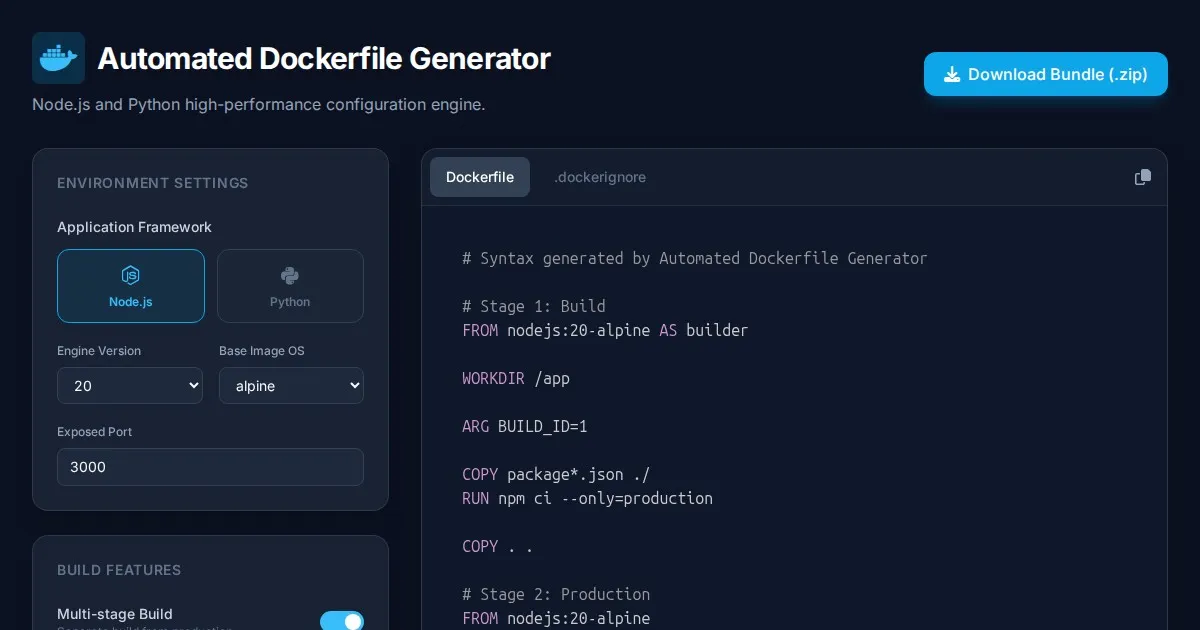
Automated Dockerfile Generator for Node.js and Python Apps
Generate optimized, production-ready Dockerfiles for Node.js and Python applications instantly. Customize base images, port configurations, and dependencies.
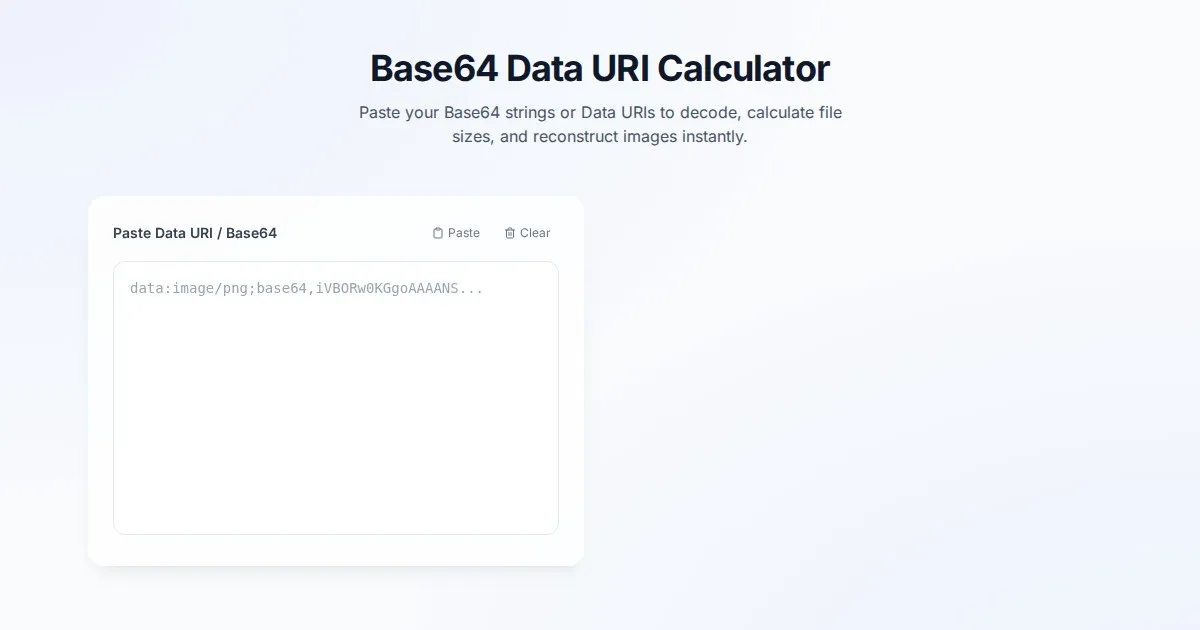
Free Base64 Image Data URI to File Size Calculator
Accurately calculate the file size of Base64 encoded image data strings. This free, web-based tool helps developers estimate binary file sizes for web apps.

Free Online 3D Model Viewer - GLTF & OBJ File Previewer
Instantly preview 3D models online with this free 3D Model Viewer. Support for GLTF, GLB, and OBJ formats. Drag and drop your files for a fast, browser-based render.

Free Online Color Blindness Simulator & Image Filter Tool
Easily simulate color vision deficiencies like protanopia, deuteranopia, and tritanopia. Upload images to test design accessibility for color blindness.
Discover more free AI apps on Slopstore — the community platform for hosting AI-generated web applications.