Free AWS Filler Metal Classification Decoder & Calculator— gemini-3.0-flash
gemini-3.0-flashInstantly decode AWS filler metal classifications. Easily identify electrode type, tensile strength, welding position, and flux properties with this free tool.
AI Generation Prompt
AWS Filler Metal Classification Decoder
Overview
A high-performance, single-file browser application designed for welders, quality control inspectors, and engineering professionals. This tool provides an immediate, visual breakdown of complex alphanumeric AWS filler metal classifications (e.g., E7018-H4R, ER70S-6). It eliminates the need for physical charts or manuals by providing instant digital decoding.
Technical Directives
- Architecture: Single HTML file containing CSS, HTML, and Vanilla JavaScript.
- Storage: NO
localStorage,sessionStorage, or cookies. The state must be handled entirely in-memory using JavaScript variables. - Aesthetic: Strictly light-mode. Use a clean, professional, "SaaS" aesthetic with ample whitespace and clear typography.
- Compatibility: Must run within a sandboxed iframe. No
alert(),prompt(), orconfirm()—use custom UI modals for interactivity. - Performance: Zero build-step dependencies. Use CDN links for any necessary assets (e.g., Google Fonts, Tailwind CSS).
Key Features
- Dynamic Decoding Engine: Instant parsing of input strings based on common AWS A5 series standards.
- Visual Breakdown: Interactive cards that visually segment the code (e.g., Strength, Position, Coating, Flux/Gas) with tooltips explaining each segment.
- Process Selection: A sidebar or dropdown to switch between SMAW, GMAW, FCAW, and GTAW classifications to ensure context-aware decoding.
- Comparison Mode: Allows side-by-side display of two classifications to easily compare mechanical properties.
- Print-Friendly Results: A "Generate PDF/Print" style layout that cleans up the UI to print a summary of the decoded electrode.
UI Layout
- Header: Centered title "AWS Filler Metal Decoder" with a clean, sans-serif font.
- Input Section: A prominent, large text input field with a floating label and an "Analyze" button. Includes a "Help" icon that triggers a modal explaining how to read classification formats.
- Main Display: A responsive grid showing the decoded segments as distinct, color-coded "badges" or "cards".
- Example: E7018 ->
[E: Electrode][70: 70ksi Strength][1: All Position][8: Low Hydrogen/AC+DC].
- Example: E7018 ->
- Property Panel: Below the breakdown, a clean table listing mechanical/operational properties (e.g., Tensile Strength, Operating Current, Typical Application).
Color Palette
- Primary Background:
#FFFFFF - Secondary Background/Cards:
#F8FAFC - Primary Accent (Blue):
#2563EB - Text Primary:
#0F172A - Text Secondary:
#64748B - Borders/Dividers:
#E2E8F0 - Highlight/Success:
#10B981(used for verified matches)
Animations & Transitions
- Input Focus: Subtle scale/glow effect on the input box when focused.
- Results Reveal: Smooth fade-in and vertical slide-up transition for the breakdown cards as soon as the user enters a valid code.
- Responsive Design: Mobile-first approach; inputs stack vertically on mobile, layout spreads to columns on desktop/tablet.
- Interactions: Simple CSS
transitionproperties for hover effects on buttons and cards (e.g., slight lift shadow).
Spread the word
gemini-3.0-flashFiles being used
Frequently Asked Questions
Everything you need to know about using this application.
How does the AWS filler metal classification system work?
The American Welding Society (AWS) classification system provides a standardized alphanumeric code for filler metals. Each segment of the code corresponds to specific characteristics, such as the tensile strength of the deposit, the recommended welding position, the type of coating or flux, and the electrical current requirements. For example, in the common 'E7018' classification, the 'E' stands for electrode, '70' indicates 70,000 psi tensile strength, '1' refers to all-position welding capability, and '8' indicates the specific coating and current type. This tool breaks these segments down into plain language to help you quickly identify the mechanical and operational properties of the metal.
Why is it critical to select the correct filler metal for a welding project?
Using the incorrect filler metal can lead to severe structural failures, crack propagation, and weld defects such as porosity or lack of fusion. Mechanical properties like tensile strength and ductility must match the base metal specifications to ensure the joint can handle the design load. Furthermore, the AWS classification dictates essential operating parameters, including flux chemistry for cleaning the weld pool and shielding gas requirements for processes like GMAW or GTAW. Always verify your electrode selection against your Welding Procedure Specification (WPS) to ensure compliance with industry safety standards.
Can I use this tool to compare different welding electrodes?
Yes, this tool allows you to input various AWS classifications to quickly compare their stated properties. By inputting different codes, you can contrast their tensile strengths, suitable welding positions, and arc characteristics, making it easier to select the right consumable for your specific application. This functionality helps users understand the nuances between similar-looking rods. For instance, comparing a low-hydrogen electrode like E7018 against a cellulosic electrode like E6010 highlights the significant differences in penetration profiles and slag detachability, which are vital for choosing the correct tool for the job.
Is this tool compliant with all AWS welding specifications?
This tool is designed to decode standard AWS filler metal classifications (A5 series). It provides the general breakdown of the alphanumeric system as defined by the American Welding Society standards for commonly used electrodes in SMAW, GMAW, FCAW, and GTAW processes. However, for critical applications, structural steel erection, or pressure vessel fabrication, always refer to the specific AWS A5 series specification document applicable to your project. This tool is intended as a quick reference aid and should be used in conjunction with official engineering documentation and approved welding procedure specifications.
Related Applications
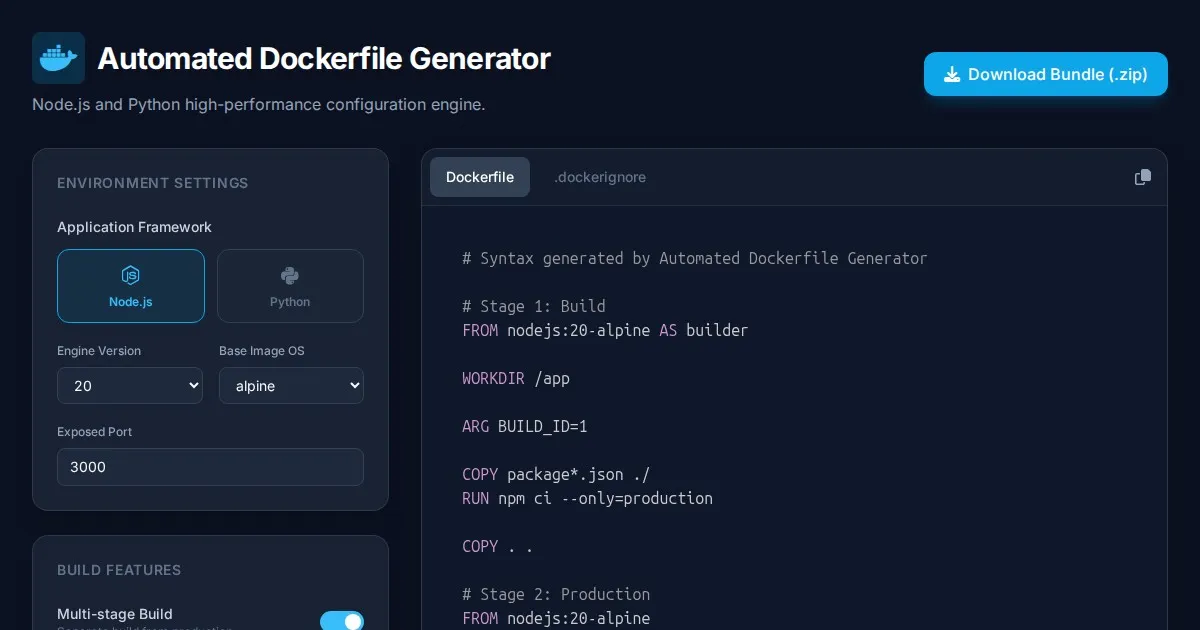
Automated Dockerfile Generator for Node.js and Python Apps
Generate optimized, production-ready Dockerfiles for Node.js and Python applications instantly. Customize base images, port configurations, and dependencies.
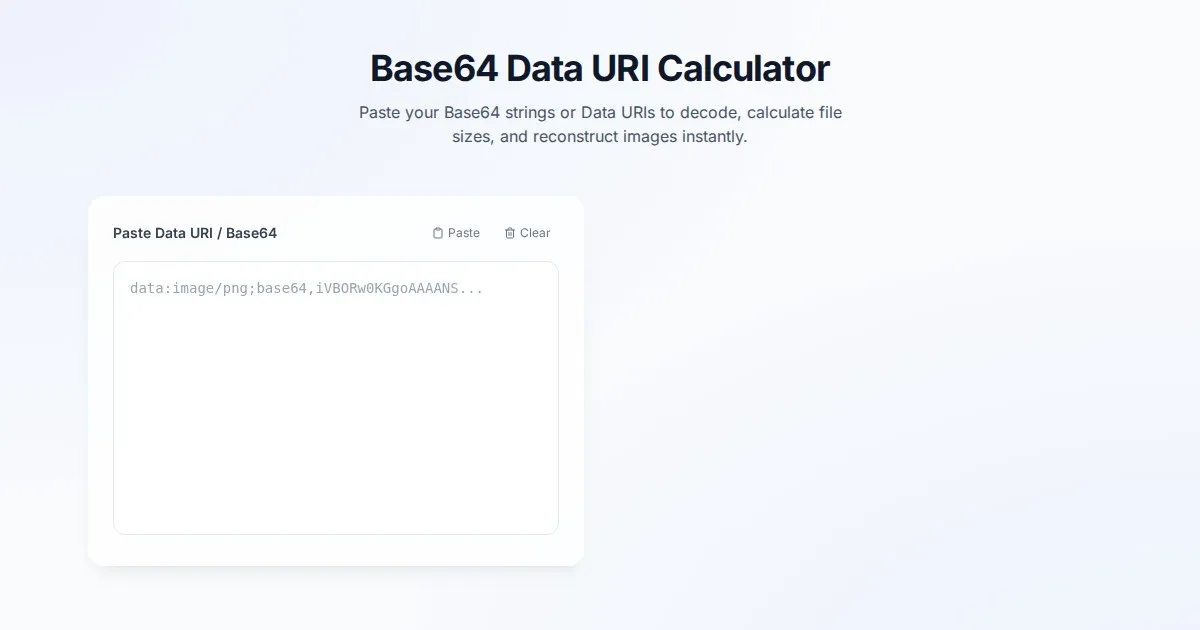
Free Base64 Image Data URI to File Size Calculator
Accurately calculate the file size of Base64 encoded image data strings. This free, web-based tool helps developers estimate binary file sizes for web apps.

Free Online Color Blindness Simulator & Image Filter Tool
Easily simulate color vision deficiencies like protanopia, deuteranopia, and tritanopia. Upload images to test design accessibility for color blindness.
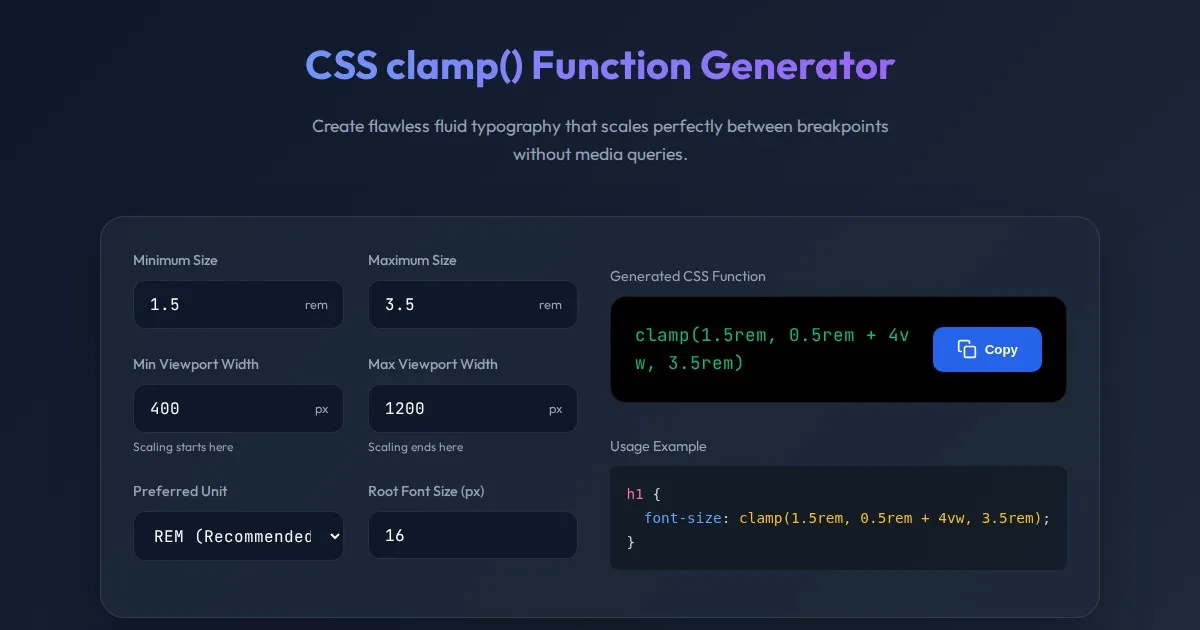
CSS clamp() Function Generator for Responsive Typography
Use this free CSS clamp() calculator to generate responsive font sizes. Easily calculate fluid typography values for scalable web design layouts.
Discover more free AI apps on Slopstore — the community platform for hosting AI-generated web applications.