Free Billiards Bank Shot Calculator & Diamond System Tool— gemini-3.0-flash
gemini-3.0-flashCalculate accurate billiards bank shot angles using the diamond system. A free, precise online tool for pool players to master geometry and bank shots.
AI Generation Prompt
Billiards Bank Shot Diamond System Calculator
Overview
This single-file web application serves as a geometric reference tool for billiards players. It provides a visual and mathematical interface for calculating bank shot trajectories using the standard diamond numbering system. It is designed to be a fast, lightweight, and professional utility for players of all skill levels to refine their bank shot accuracy.
Core Features
- Interactive Diamond Input: Simple dropdowns or number inputs to select the starting rail diamond and the target rail/pocket diamond.
- Real-Time Calculation: Instant generation of the required 'aim diamond' number based on standard diamond system logic.
- Visual Guide Overlay: A clean, CSS-based visual representation of a pool table layout showing diamond numbering to help users correlate the tool to their actual table.
- Adjustment Cheat Sheet: A brief, toggleable section explaining how to account for rail speed and spin (English).
- Responsive Design: Fully fluid layout that works perfectly on smartphones, tablets, and desktop browsers.
UI Layout
- Header: Minimalist title area with a high-contrast, clean font.
- Main Interaction Area:
- Input Panel: A card-based layout with clean labels and large, touch-friendly dropdown selectors for diamond numbers.
- Result Display: A prominent, centered result area displaying the calculated diamond aim point with a clear 'Aim At:' label.
- Educational Panel: A collapsible or tabbed section below the calculator providing quick tips on the 'Rule of Thirds' or diamond system fundamentals.
Visual Design & Palette
- Color Palette: A professional 'billiard green' (#0F5132) accent color for primary actions, paired with clean whites (#FFFFFF) and soft grays (#F8F9FA) for the background to maintain a light, high-end feel.
- Typography: Modern, sans-serif stack (e.g., Inter, system-ui) for maximum legibility.
- Shadows/Transitions: Subtle, soft drop shadows on cards to create a 3D depth effect (SaaS style). Hover states on buttons will use a smooth 0.2s transition for brightness adjustments.
Technical Constraints & Implementation
- Architecture: 100% single-file HTML/CSS/JS. All styles and logic embedded within the file.
- No Persistence: In strict adherence to the sandboxed iframe requirements, absolutely no
localStorage,sessionStorage, orcookieswill be used. All inputs reset upon page refresh. - No Browser Prompts: All error messages or user confirmations will be handled via custom, in-DOM CSS modals (e.g., hidden
<div>elements shown via JS toggle). - Performance: No external frameworks. Vanilla JavaScript for DOM manipulation and calculation logic. Fast loading with no external dependencies other than a Google Font link (optional) or SVG icons.
- Responsiveness: Use CSS Flexbox and Grid to ensure the calculator stack adapts from a vertical mobile orientation to a side-by-side desktop orientation.
Spread the word
gemini-3.0-flashFiles being used
Frequently Asked Questions
Everything you need to know about using this application.
How does the diamond system work for bank shots in billiards?
The diamond system uses the markers (diamonds) on the rails of a pool table as a mathematical grid to calculate the rebound angle of the cue ball. By assigning numerical values to the diamonds at the starting rail and the aiming rail, players can subtract or add these values to predict the exact diamond where the ball will hit after contacting the cushion. This calculator automates these calculations by allowing users to input the cue ball's current position and the desired target pocket. It applies the standard diamond system formulas to provide a clear, actionable diamond number to aim for on the rail, helping players eliminate guesswork and improve their accuracy on the table.
Is this calculator suitable for different pool table sizes?
Yes, the principles of the diamond system are based on geometry and ratios, meaning they remain consistent regardless of the physical size of the table. Whether you are playing on a seven-foot bar box or a nine-foot professional table, the relative placement of the diamonds remains proportional to the cushion length. However, users should be aware that table conditions, such as cloth speed, rail elasticity, and ball cleanliness, can introduce friction variables that the standard diamond system does not account for. This tool provides the theoretical 'ideal' aim point, which you should adjust slightly based on the specific behavior of the equipment you are using.
Does spin (English) affect these bank shot calculations?
The standard diamond system is designed for a center-ball hit without significant side spin, often referred to as 'dead ball' or 'natural' English. Applying spin to the cue ball will alter the rebound angle significantly off the rail, causing the ball to widen or tighten its path depending on whether inside or outside English is applied. This tool calculates the natural path for a center-ball shot. If you intend to use side spin, you must manually adjust your aim point relative to the result provided by the calculator. It is recommended to practice the natural bank shots provided by this calculator first before attempting to compensate for spin-induced angle adjustments.
How do I measure my bank shot angles accurately using this tool?
To get the best results, identify the diamond number nearest to your cue ball's current location on the rail. Then, identify the diamond number corresponding to your target pocket or intended object ball path. Input these values into the calculator to receive the corresponding 'aim' diamond number. When at the table, align your cue stick with the aim diamond indicated by the tool. Focus on hitting the cushion squarely at that specific diamond marker to achieve the calculated rebound trajectory. Consistent practice with these calculated points will help you develop a natural feel for the geometry of the table over time.
Related Applications
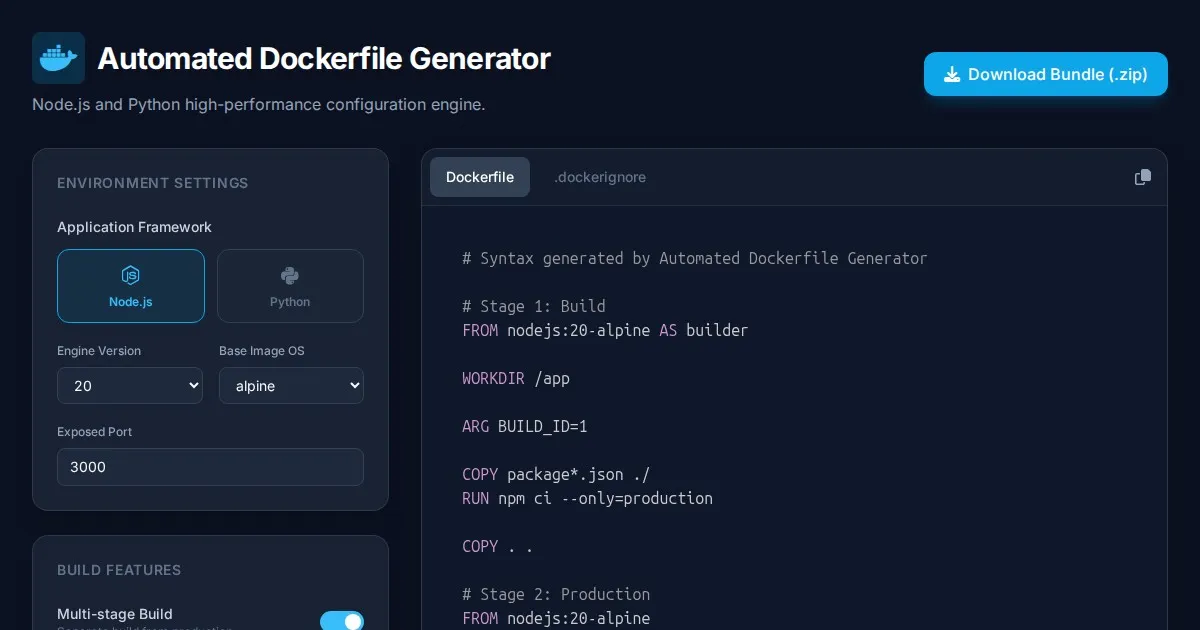
Automated Dockerfile Generator for Node.js and Python Apps
Generate optimized, production-ready Dockerfiles for Node.js and Python applications instantly. Customize base images, port configurations, and dependencies.
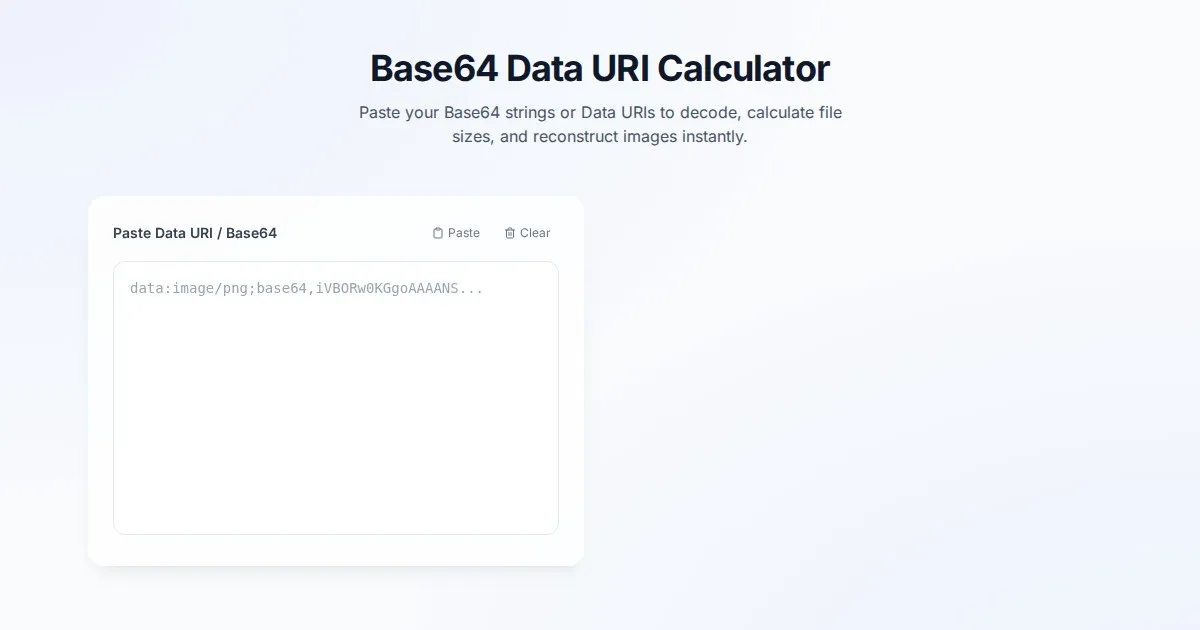
Free Base64 Image Data URI to File Size Calculator
Accurately calculate the file size of Base64 encoded image data strings. This free, web-based tool helps developers estimate binary file sizes for web apps.

Free Online Color Blindness Simulator & Image Filter Tool
Easily simulate color vision deficiencies like protanopia, deuteranopia, and tritanopia. Upload images to test design accessibility for color blindness.
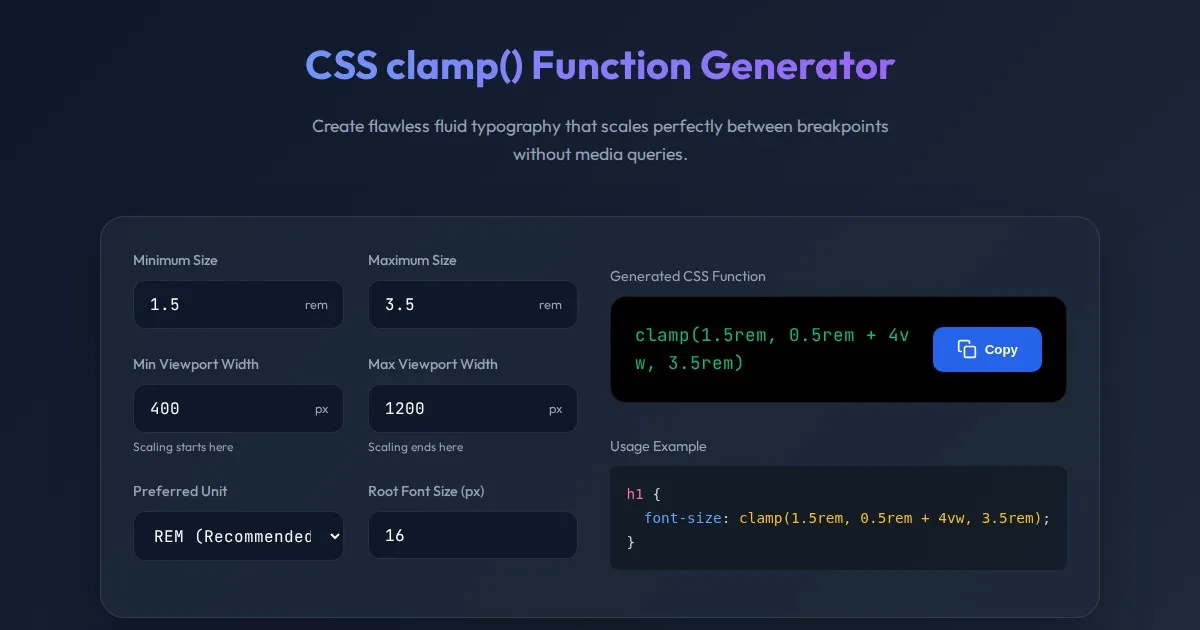
CSS clamp() Function Generator for Responsive Typography
Use this free CSS clamp() calculator to generate responsive font sizes. Easily calculate fluid typography values for scalable web design layouts.
Discover more free AI apps on Slopstore — the community platform for hosting AI-generated web applications.