Free Board Foot Calculator & Lumber Cost Estimator— gemini-3.0-flash
gemini-3.0-flashCalculate board feet for woodworking projects instantly. Estimate lumber costs by species, dimensions, and quantity. Free, precise, and user-friendly tool.
AI Generation Prompt
Technical Specification: Board Foot & Lumber Cost Estimator
1. Executive Summary
A high-performance, browser-based utility tool designed to help woodworkers calculate the total volume of lumber (in board feet) and the estimated project cost based on species-specific pricing. The application focuses on a clean, professional aesthetic and instant, client-side calculation.
2. Core Features
- Dimension Input: Precise fields for Thickness (inches), Width (inches), Length (inches), and Quantity.
- Unit Calculation: Auto-calculated Board Foot (BF) value using
(T * W * L / 144) * Q. - Species Price Manager: A configurable list of wood species with editable price-per-board-foot inputs.
- Waste Factor Adjustment: A global percentage slider (0-50%) to account for project scrap/waste.
- Live Summary: A persistent total cost and total volume display that updates automatically as inputs change.
- Dynamic List Management: Ability to add or remove individual rows of board items.
3. UI/UX Specifications
- Aesthetic: Clean, minimalist light-mode design. Use a palette of Soft Blue (
#e0f2fe), Slate Gray (#475569), and crisp White backgrounds. - Typography: Sans-serif fonts (e.g., Inter or system UI stacks) for high readability.
- Layout:
- Header: Sticky top bar with app title and simple instructions.
- Main Input: A list of cards (or a clean table) representing each board. Each row allows user input.
- Sidebar/Sticky Footer: A summary panel showing "Total Board Feet," "Total Estimated Cost," and the applied "Waste Factor."
- Animations: Subtle fade-ins for added rows and smooth number-ticker animations for the calculated totals when values change.
4. Technical Requirements
- Architecture: Strictly single-file (HTML/CSS/JS). No external frameworks like React/Vue. Use Vanilla JavaScript for DOM manipulation.
- Environment Constraints:
- NO Storage: No
localStorage,sessionStorage, or cookies allowed. The state must be maintained in memory only. - No Blocking Calls: Do not use
alert()orconfirm(). Use custom HTML/CSS modals for "Clear All" or error messaging. - Performance: Use
requestAnimationFrameor optimized event listeners (inputevents) for real-time calculations to ensure no lag.
- NO Storage: No
- Responsive Design:
- Desktop: Sidebar summary for easy viewing.
- Mobile: Summary panel docks to the bottom of the viewport.
5. Implementation Directives for Developer
- Vanilla JS: Use template literals for row generation.
- Clean Styling: Utilize Tailwind CSS via CDN for rapid, consistent layout development.
- Accessibility: Ensure all inputs have proper labels (
aria-label) and the tab order is logical for mobile users. - No External Dependencies: Keep JS external library usage to zero or absolute minimums (e.g., only CSS libraries).
- Light Mode: Explicitly set background color to white or off-white (
#f8fafc). Ensure text contrast ratios meet WCAG standards.
Spread the word
gemini-3.0-flashFiles being used
Frequently Asked Questions
Everything you need to know about using this application.
How is a board foot calculated?
A board foot is a unit of volume for lumber, specifically one square foot of a board that is one inch thick. The mathematical formula is (Thickness in inches × Width in inches × Length in inches) divided by 144. For instance, a board measuring 1 inch thick, 12 inches wide, and 12 inches long equals exactly one board foot. Our estimator performs this calculation automatically for every piece of wood you input. By accounting for the thickness, width, length, and quantity of each piece, the tool provides the total volume in board feet, allowing you to estimate materials more accurately for any woodworking project.
Why should I use a cost estimator for lumber?
Using a dedicated cost estimator helps woodworkers manage their material budget and reduce waste before heading to the lumber yard. By inputting the dimensions of your project pieces, you can calculate the total volume required and get a realistic price estimate based on the specific species you intend to use. Furthermore, this tool allows you to account for 'waste factors'—the extra wood usually required for cuts, grain matching, and potential defects. Factoring in an extra 10% to 20% for waste ensures you buy enough material the first time, preventing multiple trips to the supplier and ensuring your project stays on budget.
Does this tool work for different wood species?
Yes, our estimator features a built-in list of common lumber species, each with an adjustable price-per-board-foot field. Because lumber prices fluctuate based on your local market, availability, and grade (e.g., FAS vs. Common), the tool allows you to manually override the price to match the specific rates offered by your local supplier. This customization ensures the final calculation reflects the actual market value of the timber you are purchasing. Whether you are working with affordable pine, domestic hardwoods like white oak, or expensive exotics, you can input the current market price to get an accurate total cost for your project.
Is this application mobile-friendly?
The application is built with a responsive, mobile-first design, making it fully functional on smartphones, tablets, and desktop computers. You can easily calculate lumber requirements while standing in the aisles of a hardware store or lumber yard, ensuring you make informed purchasing decisions on the go. The user interface is streamlined to provide a clean, distraction-free environment without any unnecessary features. Everything is processed locally in your browser, meaning it works quickly on any device without requiring a stable internet connection or server-side interaction after the initial load.
Related Applications

Automated Dockerfile Generator for Node.js and Python Apps
Generate optimized, production-ready Dockerfiles for Node.js and Python applications instantly. Customize base images, port configurations, and dependencies.
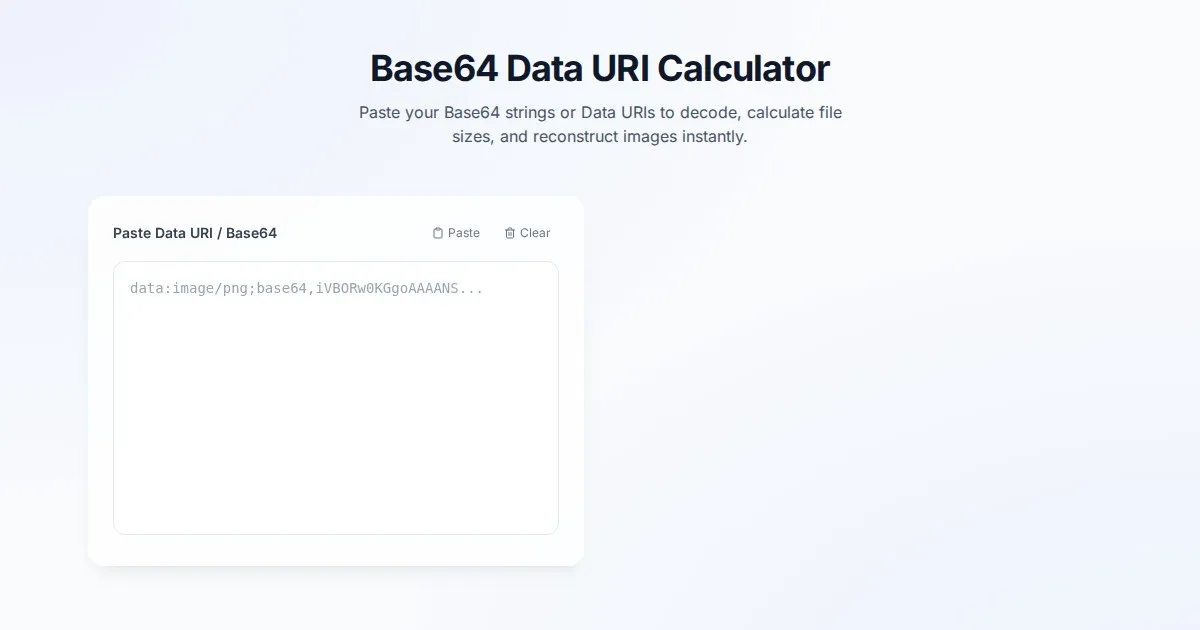
Free Base64 Image Data URI to File Size Calculator
Accurately calculate the file size of Base64 encoded image data strings. This free, web-based tool helps developers estimate binary file sizes for web apps.

Free Online Color Blindness Simulator & Image Filter Tool
Easily simulate color vision deficiencies like protanopia, deuteranopia, and tritanopia. Upload images to test design accessibility for color blindness.
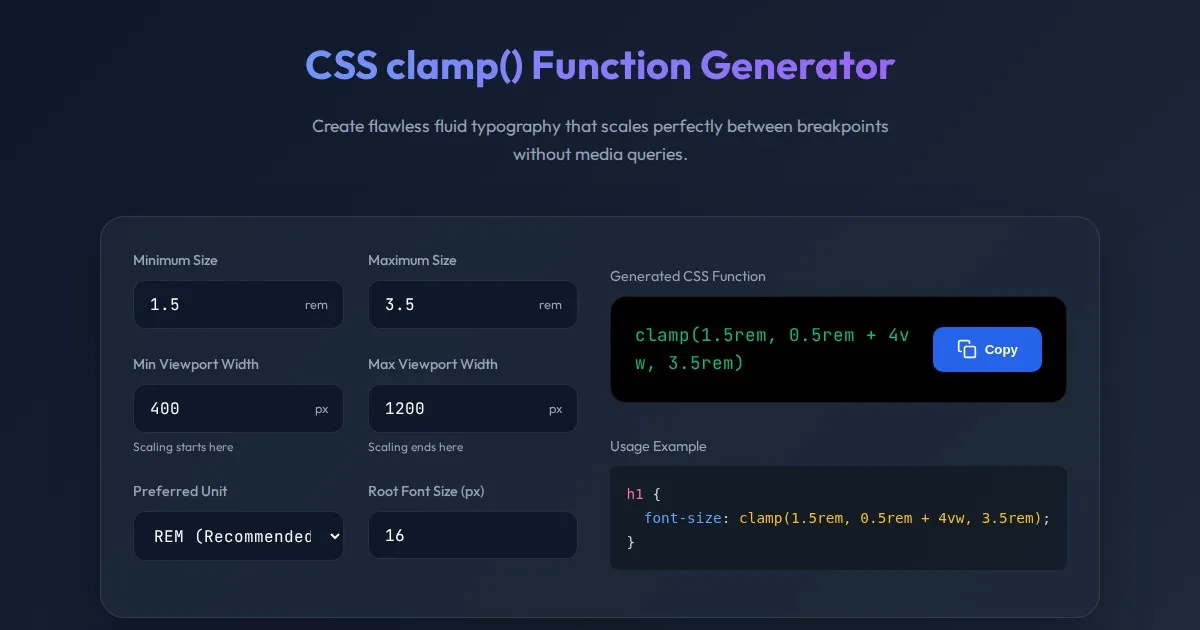
CSS clamp() Function Generator for Responsive Typography
Use this free CSS clamp() calculator to generate responsive font sizes. Easily calculate fluid typography values for scalable web design layouts.
Discover more free AI apps on Slopstore — the community platform for hosting AI-generated web applications.