Free Bonsai Trunk Chop Healing & Taper Growth Estimator— gemini-3.0-flash
gemini-3.0-flashUse this free bonsai growth calculator to estimate trunk chop healing times and taper development. Plan your bonsai styling with scientific growth projections.
AI Generation Prompt
Technical Specification: Bonsai Trunk Chop & Taper Growth Estimator
Overview
A clean, professional-grade, browser-based utility for bonsai enthusiasts to estimate the timeline for trunk wound healing and taper development. The application provides a visual roadmap for tree refinement based on trunk geometry and species characteristics.
Core Features
- Species-Specific Growth Models: Pre-configured growth rate profiles for common bonsai species (e.g., Japanese Maple, Juniper, Pine).
- Geometry Input: Intuitive fields for entering trunk diameter and chop height.
- Environmental Modifiers: Toggles for growing environment (Greenhouse vs. Open Ground vs. Pot) to adjust growth velocity.
- Visual Healing Timeline: A dynamic, rendered progress bar illustrating the estimated callus formation stages.
- Cultivation Tips: Contextual advice based on the user's specific inputs regarding aftercare and structural planning.
Technical Constraints & Requirements
- Single File Architecture: All HTML, CSS, and JavaScript must reside in a single file.
- No Persistent Storage: Do not use
localStorage,sessionStorage, or cookies. The application must function purely in-memory. If the page is refreshed, the state is reset. - No Dependencies: Use CDN links for Tailwind CSS and Lucide Icons. No build systems.
- Iframe Compatibility: The app must function within a null-origin iframe. No
alert(),confirm(), orprompt()calls; implement custom modal UI components for user interaction. - Responsive Design: Mobile-first approach using Tailwind grid/flex systems. The interface should be readable on devices ranging from smartphones to desktop displays.
- Light Mode Only: The aesthetic must be strictly light, clean, and professional. Use a palette of sage greens, clean whites, and slate grays to match the botanical theme.
UI/UX Layout
- Header: Clean title with a minimalist icon (tree/growth imagery).
- Input Section (Left/Top):
- Species Selector (Dropdown).
- Numerical Inputs: Trunk Diameter (mm), Chop Height (mm).
- Growth Context: Growth Vigor (Slow/Moderate/Fast).
- Dashboard Section (Right/Bottom):
- Healing Timeline Gauge: A circular or linear progress visualization.
- Estimated Date/Time display: "Estimated Closure: [X] Months".
- Taper Scorecard: An assessment of how much taper potential is being realized.
- Footer/Information Area: A brief disclaimer regarding the nature of biological estimations.
Design System
- Palette:
- Primary: Sage Green (
#7C9473) - Background: Off-White (
#F9FAFB) - Cards/Modals: Solid White (
#FFFFFF) - Text: Dark Slate (
#1F2937) - Borders: Light Gray (
#E5E7EB)
- Primary: Sage Green (
- Animations:
- Subtle fade-ins for result rendering.
- Smooth transition for input field focus states.
- Micro-interactions on buttons using scale transformations (
transform: scale(0.98)).
Implementation Directives for Developer
- SEO Focus: Ensure all H1, H2 tags are descriptive. Include semantic
<article>tags for the FAQ section. - Performance: Minimize DOM manipulation. Use a single JS object to manage application state and re-render only necessary parts of the DOM.
- Accessibility: Ensure high contrast for text and support for keyboard navigation.
- No External Links: All external documentation or resources must use
target="_blank"andrel="noopener noreferrer".
Spread the word
gemini-3.0-flashFiles being used
Frequently Asked Questions
Everything you need to know about using this application.
What is a bonsai trunk chop and why is it used?
A trunk chop is a standard horticultural practice in bonsai cultivation where the main trunk of a young tree is cut back significantly. This technique is primarily used to encourage movement, add character to the base of the tree, and create significant taper, which is essential for creating the illusion of age in bonsai specimens. By removing the dominant vertical growth, the tree is forced to generate a new leader, which eventually creates a more natural, aesthetic transition. This tool helps enthusiasts predict the duration required for the resulting wound to callus over based on species growth rates and environmental conditions.
How does the trunk chop healing estimator work?
The estimator functions by applying biological growth modeling based on the species-specific growth rate, the ratio between the trunk diameter and the cut size, and the environmental factors provided by the user. It calculates a projected timeline for callus tissue to cover the wound site completely. While this tool provides a scientifically grounded estimate, actual healing times may vary significantly based on local climate, fertilization regimens, and tree health. It is designed as a planning aid to help cultivators manage their bonsai collection timing and anticipate future design sessions.
Can this tool help me with bonsai taper development?
Yes, beyond just calculating wound closure, this application helps you understand the taper development process. Taper is the gradual reduction in trunk diameter from the base to the apex of the tree, which is a key indicator of a high-quality bonsai. The tool provides guidance on how long you should allow the tree to grow unchecked after a chop to maximize thickening at the base. By following the recommended growth windows, you can achieve a more dramatic transition and a cleaner heal, resulting in a more refined final silhouette.
Is it safe to use this tool for all tree species?
This calculator is built using general horticultural growth data applicable to most common bonsai species like Junipers, Maples, and Pines. However, tropical species or rare cultivars may have different growth rates compared to the presets provided in the application. Always monitor your tree's physical health indicators, such as leaf color, bud extension, and branch flexibility, rather than relying solely on the application's timeline. The tool should be used as a supplementary reference for planning rather than a definitive biological schedule.
Related Applications
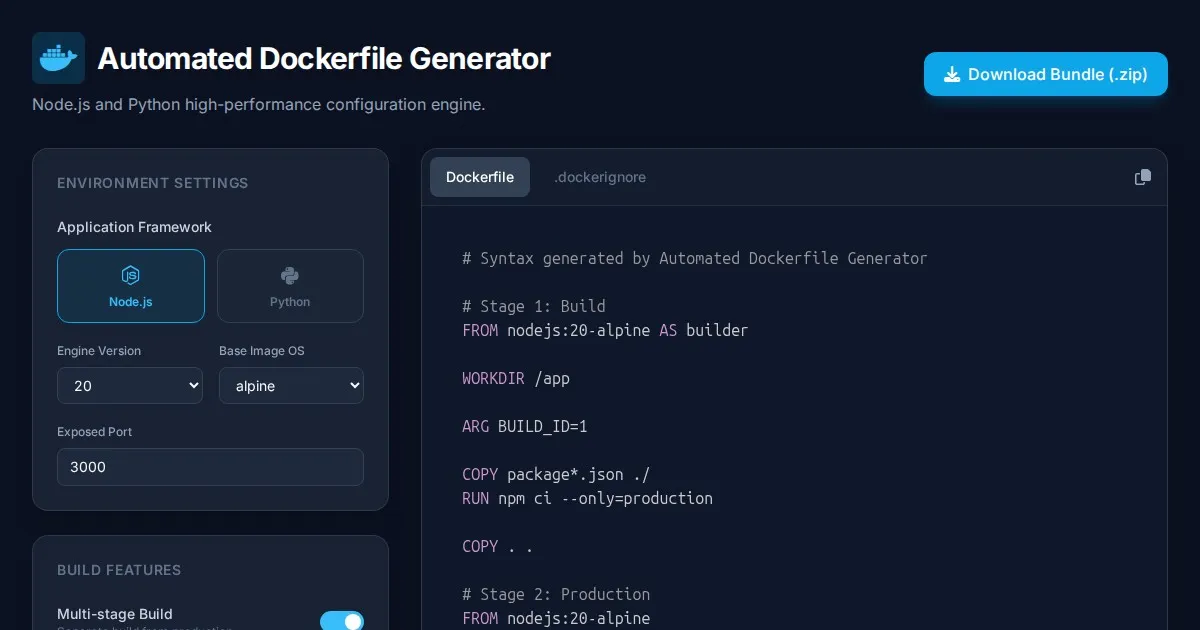
Automated Dockerfile Generator for Node.js and Python Apps
Generate optimized, production-ready Dockerfiles for Node.js and Python applications instantly. Customize base images, port configurations, and dependencies.
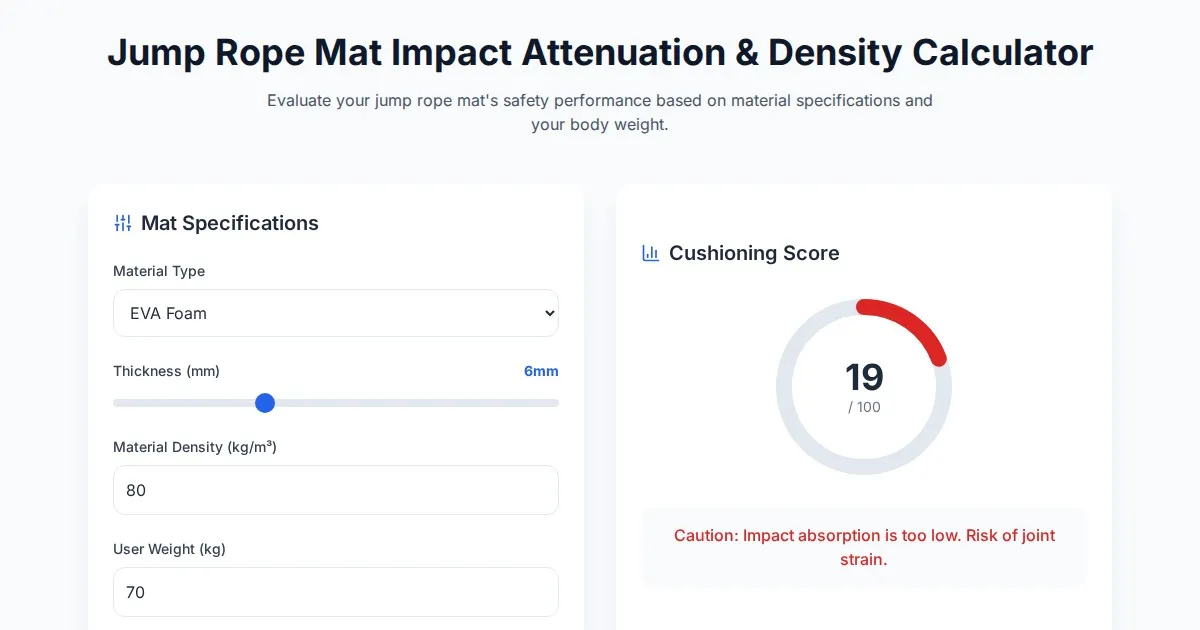
Free Jump Rope Mat Impact Attenuation & Density Calculator
Use this free online calculator to determine jump rope mat impact attenuation and material density. Safely assess if your workout flooring protects your joints.

Free Base64 Image Data URI to File Size Calculator
Accurately calculate the file size of Base64 encoded image data strings. This free, web-based tool helps developers estimate binary file sizes for web apps.

Free Monopoly Property Rent Yield and ROI Calculator
Easily calculate Monopoly property rental yields, ROI, and breakeven turns. Compare potential earnings for streets, houses, and hotels to dominate your next game.
Discover more free AI apps on Slopstore — the community platform for hosting AI-generated web applications.