Free Calisthenics Front Lever Progression Leverage Calculator— gemini-3.0-flash
gemini-3.0-flashCalculate your mechanical advantage and torque for the front lever calisthenics skill. Use our free, interactive tool to optimize your training progressions.
AI Generation Prompt
Technical Specification: Front Lever Progression Leverage Calculator
Overview
A high-performance, single-file web application that calculates the biomechanical torque required for various front lever progressions. Designed for calisthenics athletes to objectively understand the difficulty of their training.
Core Features
- Biomechanical Calculator: Dynamic torque engine that calculates force (Nm) based on user height, estimated center of mass, and limb length.
- Progression Selector: Interactive selector for progression stages (Tuck, Advanced Tuck, One-Leg, Straddle, Full).
- Real-time Visualization: A schematic gauge showing the user's relative intensity level compared to a full front lever.
- Anthropometric Customization: Inputs for weight and limb length to tailor calculations to individual body types.
- Responsive Design: Fluid layout that performs perfectly on mobile devices at the gym or on desktop computers.
User Interface (UI) Layout
- Header: Clean, centered title with a concise instruction subtitle.
- Main Tool Area: A two-column layout (on desktop) or stacked (on mobile).
- Left Panel: Input fields with labels (Body Weight, Height, Arm Length, Progression Level).
- Right Panel: The "Results Dashboard" displaying Total Torque (Nm), Relative Intensity (%), and a visual progression bar.
- Styling: The design must use a professional, minimalist "SaaS" aesthetic. Use high-contrast blue (#2563eb) for active elements, dark grey (#1f2937) for text, and a clean white (#ffffff) background.
Implementation Constraints & Requirements
- Single File: All HTML, CSS, and Vanilla JS must be inside one
.htmlfile. - No Storage:
localStorage,sessionStorage, and cookies are strictly forbidden. All states must exist only in JavaScript variables. - Visuals: Implement smooth CSS transitions (
transition: all 0.3s ease-in-out;) for all UI updates and dynamic data displays. - No Dependencies: Use only standard CDNs for essential frameworks if needed (e.g., Tailwind CSS for styling), but avoid bloated heavy-weight frameworks.
- Mobile First: Ensure input fields are large enough for touch targets and the layout stacks appropriately on screens smaller than 768px.
- Light Mode Only: The interface must use a bright, vibrant, high-readability color palette. Do not include dark mode.
Animations & Micro-interactions
- Input Changes: When the user changes a value, the results should update smoothly without jarring page refreshes.
- Results Reveal: Use a soft fade-in animation for the results dashboard once the user has finished the initial setup.
- Interactions: Buttons should use subtle hover states and click feedback (e.g., scale slightly, change color slightly).
Spread the word
gemini-3.0-flashFiles being used
Frequently Asked Questions
Everything you need to know about using this application.
How does this front lever calculator determine difficulty?
This tool uses biomechanical principles to calculate the torque exerted at the shoulder joint based on your body segments. By inputting your limb lengths and total body weight, the application simulates the mechanical disadvantage created by your body's distance from the pivot point during specific hold variations. The calculated torque provides a quantifiable way to understand the physical demand of each progression, from the tuck front lever to the full front lever. This allows athletes to understand the intensity gap between different variations and plan their training blocks with greater precision.
Why is it important to track leverage in calisthenics?
Understanding leverage is critical for static calisthenics because the primary limiting factor is the torque created by the weight of your legs and torso pulling against the shoulder joint. As you extend your body, the moment arm increases, significantly multiplying the force required to maintain a horizontal position. By tracking these metrics, athletes can avoid premature attempts at difficult variations that could lead to tendonitis or muscle strains. It allows for the objective scaling of training, ensuring that you are working within a safe and effective intensity range based on your specific anthropometric measurements.
Can this tool store my training data?
This application operates entirely in-memory and does not utilize local storage, cookies, or databases of any kind. This design choice ensures maximum privacy and security for the user, as no personal biometric data is ever transmitted or saved on the client device. Because the tool is designed as a stateless, single-file utility, every calculation is fresh. If you need to save your progression milestones, we recommend taking a screenshot or manually documenting your results in a personal training log, as the browser will reset the data upon refreshing the page.
Which front lever progressions are supported?
The tool supports standard calisthenics progressions including the Tuck Front Lever, Advanced Tuck, One-Leg Front Lever, Straddle Front Lever, and the Full Front Lever. Each progression is weighted according to its standard biomechanical difficulty, adjusted by the specific user inputs provided. These variations represent the linear path toward the full skill. The calculator applies the corresponding physics coefficients to your unique body mass and limb ratios to provide an estimation of the force required to hold each position for a set duration.
Related Applications
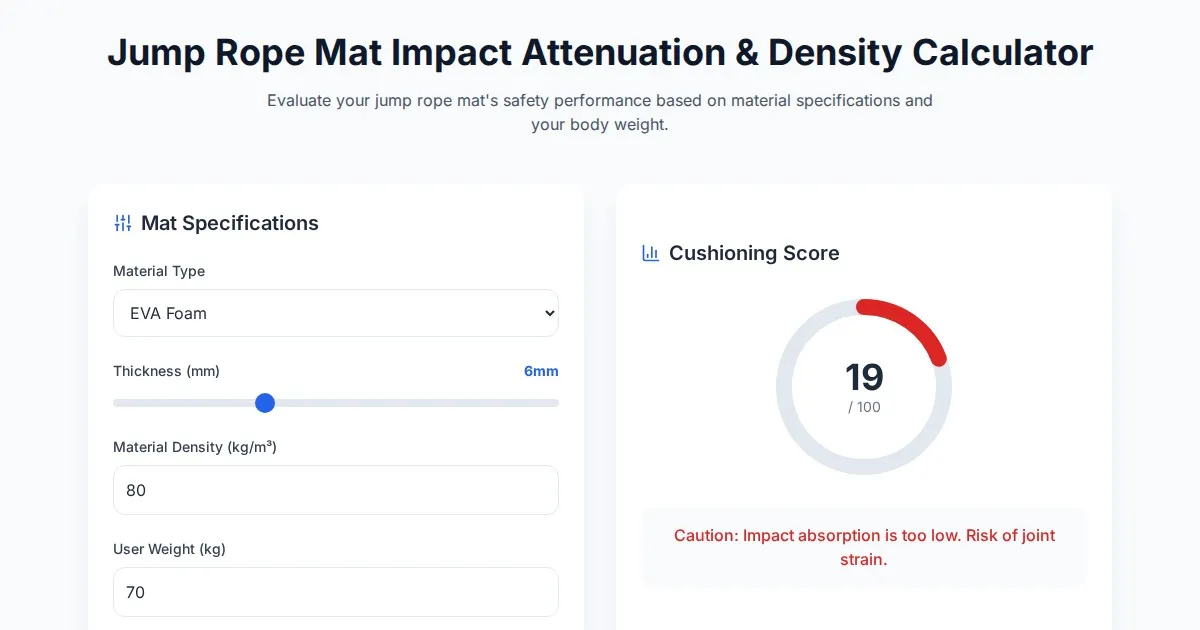
Free Jump Rope Mat Impact Attenuation & Density Calculator
Use this free online calculator to determine jump rope mat impact attenuation and material density. Safely assess if your workout flooring protects your joints.

Guided Deep Breathing Exercise Timer with Ambient Sounds
Practice mindfulness with this guided deep breathing exercise timer. Featuring a rhythmic pulsating visual guide and calming ambient background sounds.
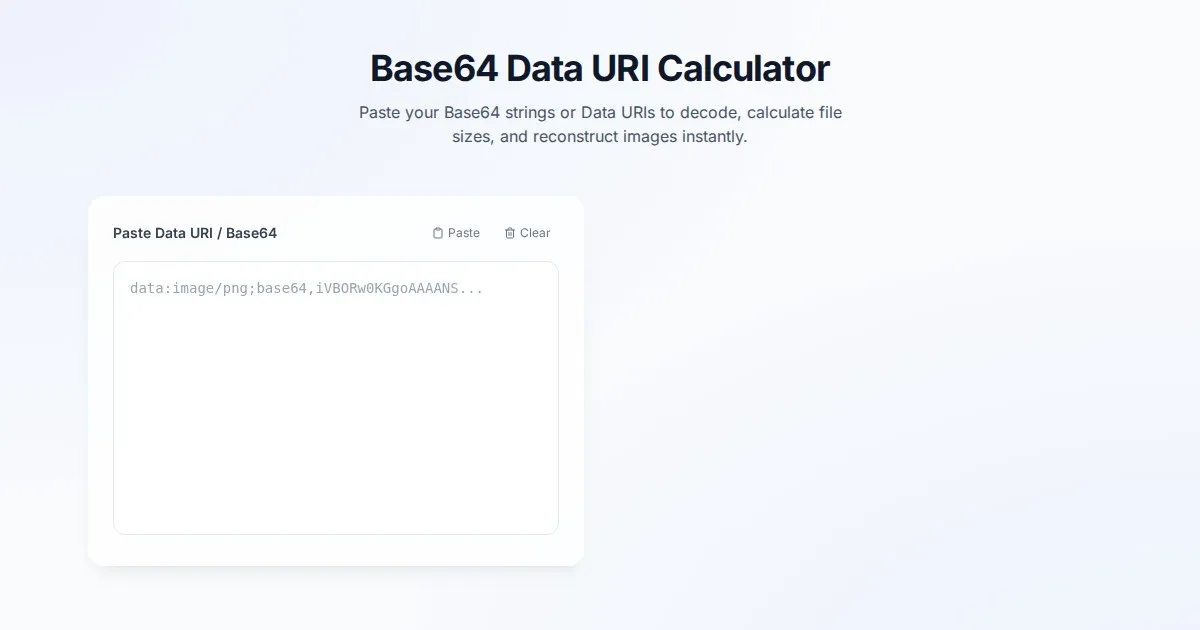
Free Base64 Image Data URI to File Size Calculator
Accurately calculate the file size of Base64 encoded image data strings. This free, web-based tool helps developers estimate binary file sizes for web apps.

Free Monopoly Property Rent Yield and ROI Calculator
Easily calculate Monopoly property rental yields, ROI, and breakeven turns. Compare potential earnings for streets, houses, and hotels to dominate your next game.
Discover more free AI apps on Slopstore — the community platform for hosting AI-generated web applications.