Free Drone Payload Flight Time Depletion Estimator— gemini-3.0-flash
gemini-3.0-flashCalculate your drone's flight time depletion based on payload weight. Estimate battery life, power consumption, and hover time for safer UAV operations.
AI Generation Prompt
Technical Specification: Drone Payload Weight & Flight Time Estimator
1. Overview
This is a single-file, client-side browser application designed to help drone pilots and UAV operators estimate the impact of payload weight on flight duration. By inputting flight specifications, the user receives an estimate of how much flight time will be lost due to the added load.
2. Core Features
- Dynamic Calculation Engine: Real-time calculation of current draw based on the square-cube law of weight increase.
- Input Parameter Suite:
- Baseline Drone Weight (g)
- Payload Weight (g)
- Battery Capacity (Wh)
- Hover Power Consumption (W)
- Voltage (V)
- Visual Data Feedback:
- Remaining Flight Time (minutes).
- Flight Time Reduction (% and minutes).
- Efficiency Warning (Red/Yellow/Green status).
- Safety Modal: Custom in-app modal to warn users if the payload exceeds 80% of the drone's recommended maximum takeoff weight (MTOW).
3. UI/UX Specification
- Layout Structure:
- Header: Clean, modern title and brief utility description.
- Main Input Grid: A two-column layout on desktop, stacking into a single column on mobile devices.
- Results Dashboard: A sticky or prominent results panel showing the estimated flight time using CSS-animated progress bars.
- Aesthetic Guidelines:
- Theme: Vibrant, light-mode only. Use crisp white backgrounds (
#ffffff) and off-white/grey neutral sections (#f9fafb). - Accents: Use a clean, professional "Electric Blue" (
#2563eb) for action buttons and data highlights. - Typography: Inter or System UI font stack for maximum readability.
- Shadows: Soft, subtle drop shadows (
0 4px 6px -1px rgba(0, 0, 0, 0.1)) on input cards to create depth without dark mode.
- Theme: Vibrant, light-mode only. Use crisp white backgrounds (
4. Technical Guidelines
- Architecture: Single-file HTML/CSS/JS. No external frameworks. CDN links allowed for Tailwind CSS (via Play CDN) and Lucide Icons.
- Persistence: STRICTLY PROHIBITED. No
localStorage,sessionStorage, or cookies. The application must treat every page refresh as a clean slate. - State Management: All calculations must occur within a standard JS object or
let/constvariables. - Interactivity: Use smooth CSS transitions (
transition: all 0.3s ease) for all UI updates (e.g., resizing cards, hover effects). - Sandboxed Compatibility:
- No
alert(),confirm(), orprompt(). All UI interactions must use custom<div>based overlays or modal elements. - Ensure all external resource links have
target="_blank" rel="noopener noreferrer". - Ensure CSS resets are included for cross-browser consistency.
- No
Spread the word
gemini-3.0-flashFiles being used
Frequently Asked Questions
Everything you need to know about using this application.
How does additional payload weight affect drone battery depletion?
Adding payload weight to a drone increases the thrust required to maintain hover and forward flight, leading to significantly higher current draw from the battery. As the motors work harder to counteract the increased mass, the discharge rate accelerates, directly reducing your total flight time compared to a standard configuration. To calculate this depletion, our tool models the relationship between total takeoff weight and power consumption. By inputting your drone's baseline specifications and the weight of your equipment, you can predict the reduction in endurance and ensure you land with a safe battery reserve.
What parameters are most important for accurate drone flight estimation?
The most critical inputs for accurate estimation are the baseline drone mass, the battery capacity (Wh), and the hover power consumption rate. Without these, the tool cannot accurately project how the added payload will impact the energy curve of your flight mission. Beyond basic weight, considering the aerodynamic profile of the payload is also helpful. While this tool focuses on weight-based depletion, remember that non-aerodynamic payloads can create drag, further reducing flight time beyond what weight calculations alone might suggest.
Can this tool be used for commercial drone operations?
Yes, this tool is designed for drone operators who need to quickly estimate flight time impact when changing payloads, such as installing professional cameras, sensors, or delivery equipment. It provides a reliable baseline for mission planning, ensuring that you maintain the necessary safety margins for your battery reserves. However, this application is for estimation purposes only. Always conduct a test flight in a controlled environment to verify your drone's actual performance characteristics, as manufacturer efficiency ratings and real-world battery degradation can vary significantly between individual units.
Does this application save my drone profile data?
This application operates entirely in your browser memory and does not store, transmit, or save any of your drone profile data or calculation inputs. When you refresh or close the page, all entered information is cleared, ensuring maximum privacy and security for your mission parameters. Because we do not use local storage or cookies to comply with strict sandboxed environments, you will need to re-enter your drone specifications each time you load the page. This design choice ensures that the tool is fully compatible with secure, restricted web environments and avoids any data persistence issues.
Related Applications
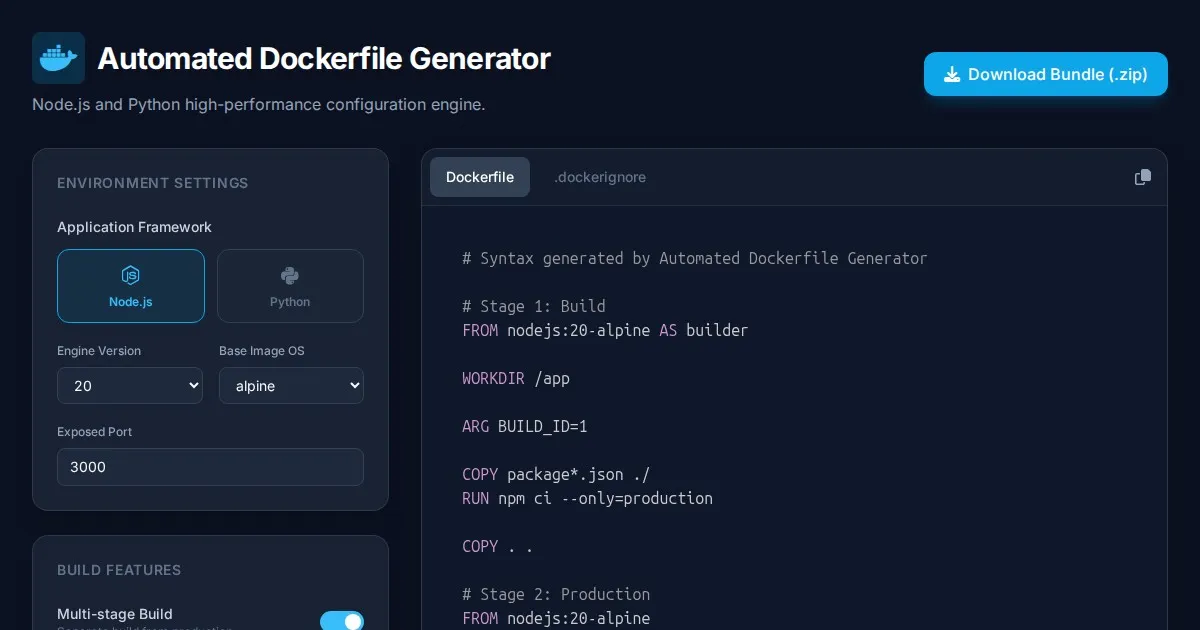
Automated Dockerfile Generator for Node.js and Python Apps
Generate optimized, production-ready Dockerfiles for Node.js and Python applications instantly. Customize base images, port configurations, and dependencies.
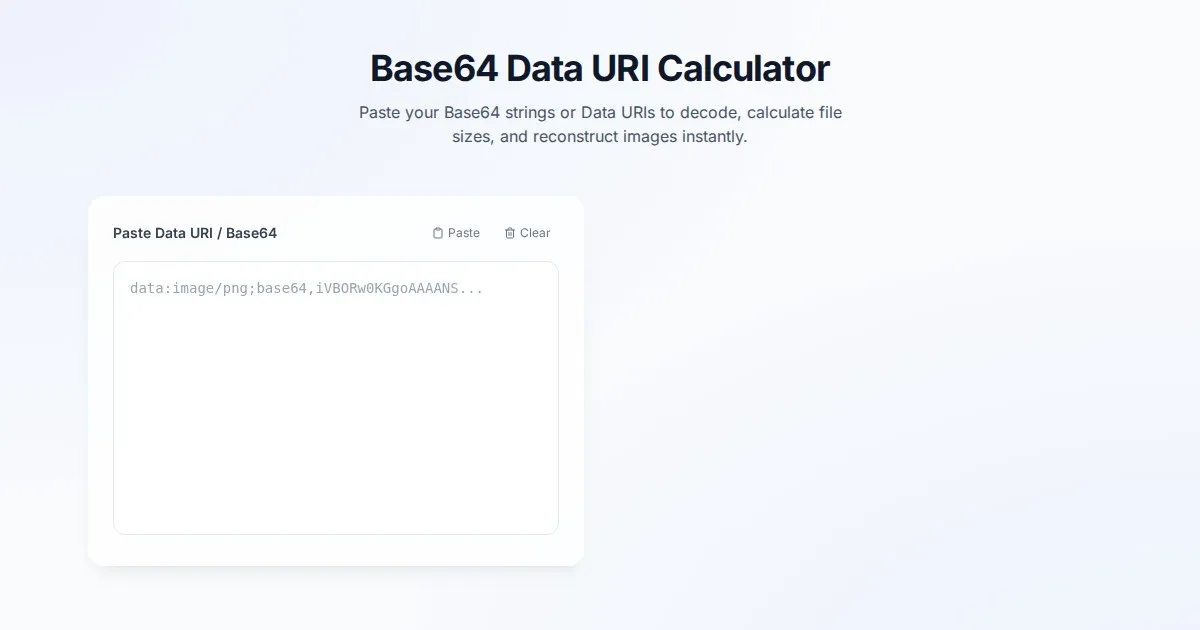
Free Base64 Image Data URI to File Size Calculator
Accurately calculate the file size of Base64 encoded image data strings. This free, web-based tool helps developers estimate binary file sizes for web apps.

Free Online Color Blindness Simulator & Image Filter Tool
Easily simulate color vision deficiencies like protanopia, deuteranopia, and tritanopia. Upload images to test design accessibility for color blindness.
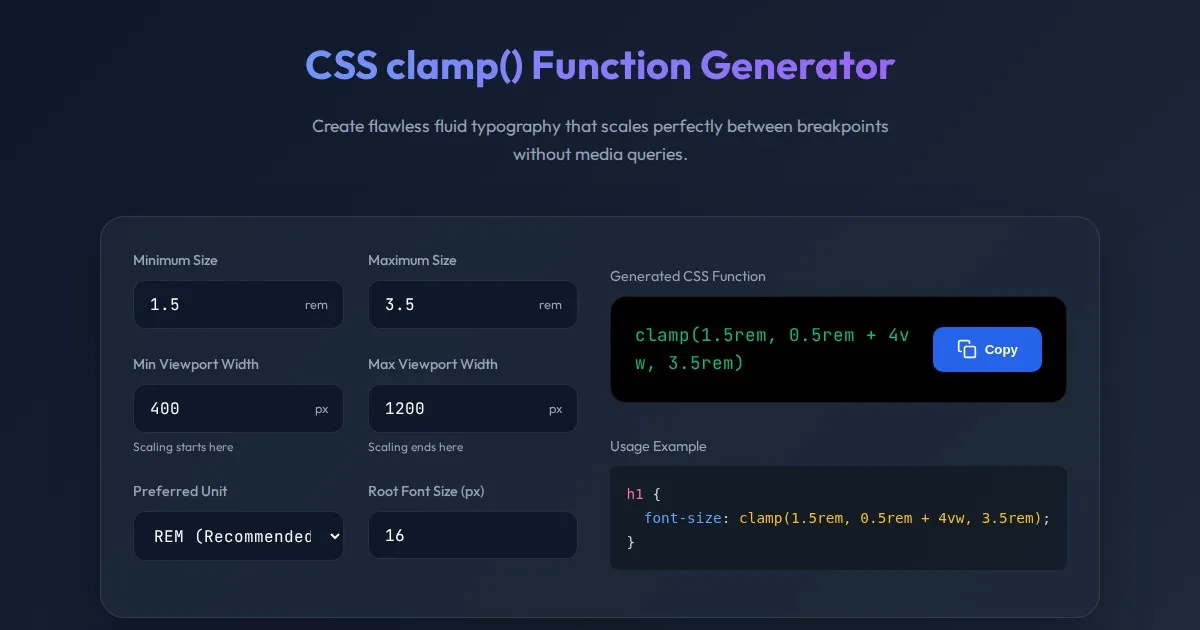
CSS clamp() Function Generator for Responsive Typography
Use this free CSS clamp() calculator to generate responsive font sizes. Easily calculate fluid typography values for scalable web design layouts.
Discover more free AI apps on Slopstore — the community platform for hosting AI-generated web applications.