Free Human Flag Torque & Calisthenics Core Load Calculator— gemini-3.0-flash
gemini-3.0-flashCalculate the torque and core load required to hold a human flag. This free physics tool provides precise foot-pound and Newton-meter estimates for athletes.
AI Generation Prompt
Technical Specification: Human Flag Core Torque Calculator
1. Overview
A browser-based, single-file utility application designed to calculate the rotational torque (in ft-lb and Nm) exerted on the body during a human flag hold. The tool aims to help calisthenics athletes quantify the physical demands of their training through an intuitive, interactive interface.
2. Feature Set
- Dynamic Torque Calculation: Real-time computation of torque based on body weight, arm length, and estimated center of mass offset.
- Unit Toggle: Seamless switching between Imperial (lbs/inches) and Metric (kg/cm) input units.
- Variable Adjustments: Sliders for 'Body Weight', 'Arm Length', and 'Center of Mass offset' to see how physical adjustments change the torque requirements.
- Educational Insights: A section explaining the physics of torque, moments, and levers as applied to the human body.
- Zero-Storage Architecture: Fully stateless; all calculations happen in memory.
3. UI/UX & Design
- Design Philosophy: Clean, vibrant, and professional 'SaaS' aesthetic. No dark mode.
- Color Palette:
- Background:
#FFFFFF(White) - Primary Surface:
#F8FAFC(Slate 50) - Accent Color:
#3B82F6(Blue 500) for active elements. - Text:
#0F172A(Slate 900) - Border/UI Elements:
#E2E8F0(Slate 200)
- Background:
- Layout:
- Header: Simple, descriptive title with a brief tagline.
- Main Interaction Grid:
- Left Column: Input sliders/fields for user metrics.
- Right Column: Live readout of the torque calculation with a large, readable typography.
- Explanation Section: A clean, centered column below the main interaction area containing the educational physics content.
4. Technical Implementation Directives
- Architecture: Single-file HTML5 (CSS/JS embedded).
- Sandbox Compatibility:
- DO NOT use
localStorage,sessionStorage, or cookies. - Avoid
alert(),confirm(), orprompt(). Use custom<dialog>elements or CSS overlays for user feedback. - Use
window.locationor relative paths for any internal navigation.
- DO NOT use
- Responsiveness: Use CSS Flexbox/Grid for fluid layout. Sliders and input fields must be touch-friendly on mobile devices.
- Transitions: Use
transition: all 0.2s ease-in-out;for all UI interactions, particularly for slider movements and result updates. - Dependencies: Tailwind CSS via CDN is permitted for rapid, responsive styling. Font choice: 'Inter' via Google Fonts.
5. User Interaction Flow
- The user lands on the tool and sees clearly labeled input fields.
- As the user adjusts any slider or input value, an
inputevent listener triggers the calculation function. - The result is instantly updated on the screen without a page reload.
- Educational text below the fold dynamically expands or presents as a static informative section to aid in learning the physics behind the numbers.
Spread the word
gemini-3.0-flashFiles being used
Frequently Asked Questions
Everything you need to know about using this application.
What physics principles does this Human Flag calculator use?
This tool utilizes the fundamental physics principle of torque, which is the product of force and the lever arm distance. In the context of a human flag, your body weight acts as a downward force, and the distance from your shoulder (the pivot point) to your body's center of mass creates a significant lever arm. The calculator models your body as a rigid lever to determine the rotational force required to maintain a horizontal position. By adjusting your body weight and arm length variables, the tool calculates the torque in foot-pounds or Newton-meters, providing a quantifiable metric for the isometric strength required to hold the position.
Why is it important to calculate core torque for calisthenics?
Understanding torque helps calisthenics athletes visualize the magnitude of force their oblique and lateral chain muscles must generate. The human flag is an advanced skill that relies heavily on the tension between the upper pulling arm and the lower pushing arm, combined with immense core stability. By converting this difficult movement into numerical data, athletes can better track their progress and understand why smaller adjustments in body positioning or center of mass can significantly impact the difficulty of the hold. This educational approach helps in structuring progressive overload training plans to reach the full movement.
Does this tool store my personal training data?
No, this application is designed with a strict privacy-first architecture. It does not utilize localStorage, cookies, or any database connection to save your information. The tool operates entirely within your browser's volatile memory. Once you refresh the page or close your browser tab, all input data and calculated results are permanently cleared. This makes the tool safe to use in any shared or sandboxed browser environment without leaving a digital footprint.
How can I improve my Human Flag strength?
Improving your hold time typically requires a combination of specialized strength training and technical proficiency. Focus on strengthening your lateral chain, including the lats, serratus anterior, and external obliques, which are the primary muscle groups stabilizing the position. Additionally, practicing progressions such as tuck flags, advanced tuck flags, and one-leg flags allows you to incrementally increase the torque load on your body. Consistent training, combined with using tools like this to understand the physics of your progress, can lead to more efficient skill acquisition.
Related Applications
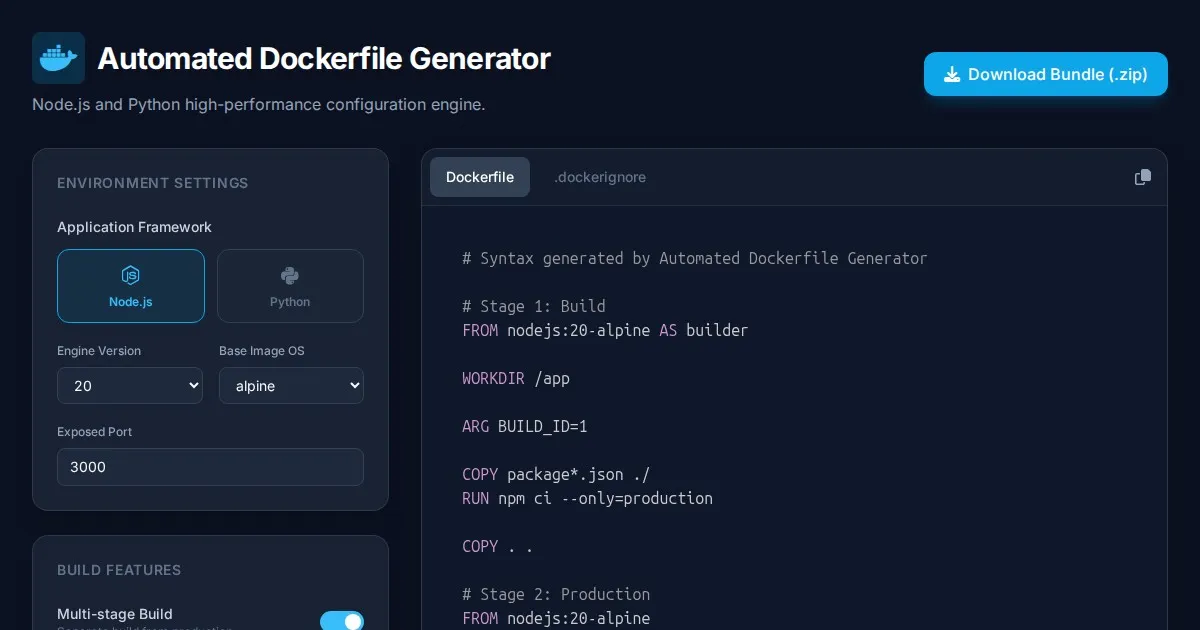
Automated Dockerfile Generator for Node.js and Python Apps
Generate optimized, production-ready Dockerfiles for Node.js and Python applications instantly. Customize base images, port configurations, and dependencies.
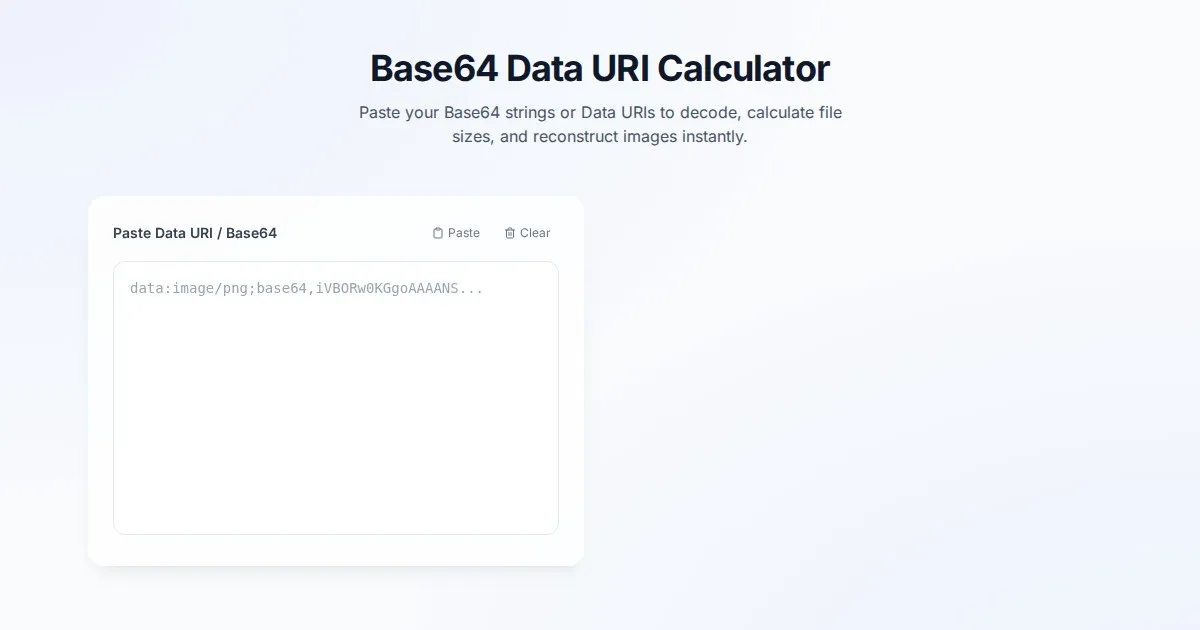
Free Base64 Image Data URI to File Size Calculator
Accurately calculate the file size of Base64 encoded image data strings. This free, web-based tool helps developers estimate binary file sizes for web apps.

Free Online Color Blindness Simulator & Image Filter Tool
Easily simulate color vision deficiencies like protanopia, deuteranopia, and tritanopia. Upload images to test design accessibility for color blindness.
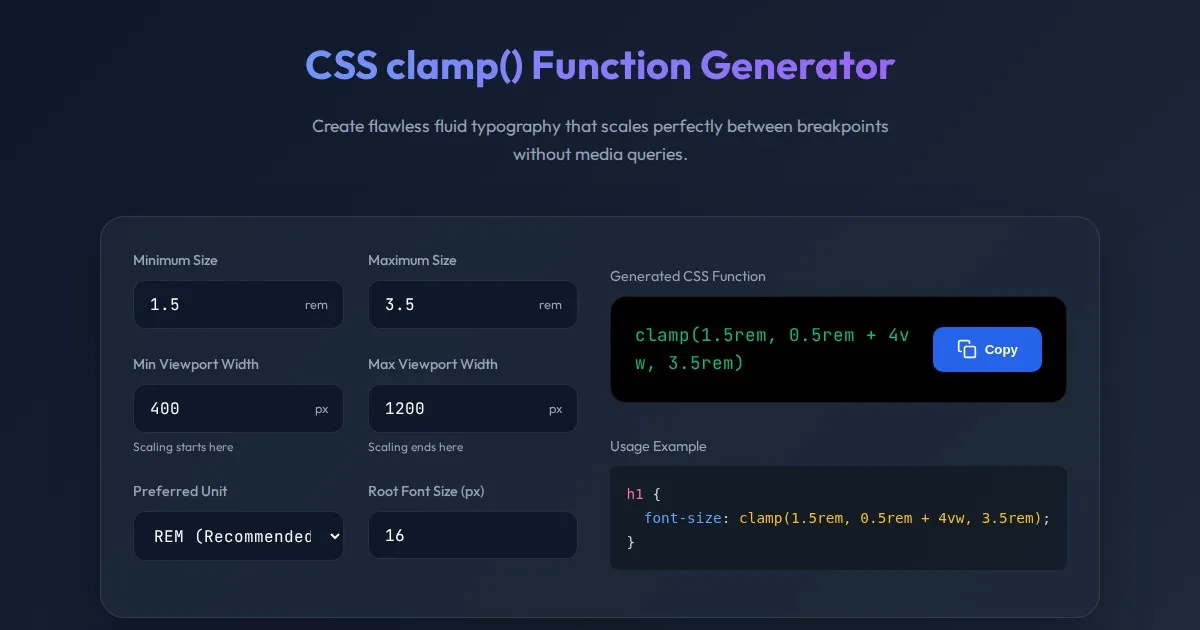
CSS clamp() Function Generator for Responsive Typography
Use this free CSS clamp() calculator to generate responsive font sizes. Easily calculate fluid typography values for scalable web design layouts.
Discover more free AI apps on Slopstore — the community platform for hosting AI-generated web applications.