Free Hydroponic Airstone Airflow & Dissolved Oxygen Calculator— gemini-3.0-flash
gemini-3.0-flashCalculate the optimal airflow (LPM) for your hydroponic reservoir. Ensure healthy dissolved oxygen levels for root growth with our easy-to-use aeration tool.
AI Generation Prompt
Hydroponic Airflow & Dissolved Oxygen Calculator
Tool Purpose
The Hydroponic Airflow & Dissolved Oxygen Calculator is a specialized utility designed for hydroponic gardeners to determine the precise airflow (LPM - Liters Per Minute) required to maintain healthy oxygen levels in nutrient reservoirs. It eliminates guesswork, preventing common issues like root rot and stunted growth by ensuring the oxygenation system matches the volume and temperature of the hydroponic environment.
Core Features
- Dynamic Airflow Calculation: Input reservoir volume (Liters/Gallons) and water temperature to receive a precise LPM recommendation.
- Plant Growth Stage Adjustment: Toggle between 'Seedling', 'Vegetative', and 'Flowering' stages to adjust oxygen requirements based on metabolic demand.
- Pump Capacity Guide: Suggests standard air pump ratings to meet calculated requirements.
- Airstone Efficiency Tips: Advice on choosing between coarse and fine micropore stones based on pump pressure.
- Aeration Status Visualizer: A real-time, interactive gauge that visually represents whether the current aeration setup is 'Insufficient', 'Optimal', or 'Over-saturated'.
UI/UX Design
- Aesthetic: Clean, professional 'SaaS' look with a high-contrast light theme.
- Palette:
- Primary: Sage Green (#4B7C59) for actions.
- Background: Crisp White (#FFFFFF).
- Cards: Soft Light Gray (#F8FAFC) with subtle, soft shadows.
- Text: Slate Gray (#334155).
- Layout:
- Header: Clean title with a brief tagline.
- Main Area: A two-column grid (desktop) or single column (mobile) showing input fields on the left and the interactive results gauge on the right.
- Results: A dynamic progress bar and text summary that updates instantly without page reloads.
- Animations: Smooth, easing transitions (ease-in-out) when the results update. No jarring layout shifts.
Technical Requirements & Directives
- Architecture: Single-file HTML5 structure. CSS and JavaScript embedded within
<style>and<script>tags. - Constraints:
- NO Storage: Do not use
localStorage,sessionStorage, or cookies. Calculations must be entirely session-based. - NO Popups: Use custom HTML modals for any warnings or additional info. No
alert()orprompt(). - Light Mode Only: Strictly enforce a light, vibrant UI. Do not add a dark mode toggle.
- Responsive: Use modern Flexbox/Grid for mobile-first responsiveness.
- External Dependencies: Use CDNs for essential assets like Tailwind CSS or icon fonts if required. All external links must have
target="_blank" rel="noopener noreferrer".
- NO Storage: Do not use
- Developer Note: Maintain a fast, 60fps interaction feel. Keep the JavaScript logic purely functional and event-driven.
Spread the word
gemini-3.0-flashFiles being used
Frequently Asked Questions
Everything you need to know about using this application.
Why is dissolved oxygen important in hydroponics?
Dissolved oxygen (DO) is vital for the health of plant roots in a hydroponic system. Roots require oxygen for respiration, the process that converts stored sugars into energy for growth. When roots are deprived of sufficient oxygen, they cannot effectively absorb water or essential nutrients, leading to stunted development. Furthermore, high oxygen levels help prevent the proliferation of anaerobic pathogens, such as Pythium, which cause root rot. By maintaining adequate aeration, you ensure a robust rhizosphere, which is the most critical component for achieving vigorous, high-yield plant growth in any water-based growing medium.
How do I calculate the required LPM for my reservoir?
The rule of thumb for calculating the required airflow is based on the volume of the reservoir and the density of the planting. A common standard is approximately 0.5 to 1 liter of air per minute (LPM) for every 4 liters of nutrient solution. However, this varies significantly based on water temperature, as warmer water holds less oxygen than cooler water. Our calculator simplifies this by taking your specific reservoir volume and water temperature into account to provide a precise LPM recommendation. It adjusts for the oxygen-holding capacity of the water, ensuring you don't over-aerate or under-aerate, which saves energy and maximizes the efficiency of your air pump and airstone setup.
What is the role of airstone pore size in aeration?
Airstone pore size determines the size of the bubbles produced, which directly affects the surface area available for oxygen transfer. Micropore airstones create very fine, microscopic bubbles that have a much higher surface-area-to-volume ratio compared to coarse bubbles. This increased surface area allows for significantly more efficient gas exchange between the air and the nutrient solution. Using the correct pore size is essential for maximizing the efficiency of your air pump. While fine bubbles are better for oxygenation, they require higher pressure to push air through the stone. Our tool factors in your current setup to ensure the pump you select provides enough pressure to effectively utilize the selected airstone grade.
Can I use this tool for both DWC and NFT systems?
Yes, this tool is designed to be versatile and adaptable to various hydroponic systems, including Deep Water Culture (DWC), Nutrient Film Technique (NFT), and simple reservoir aeration. While the delivery method of the oxygen differs between these systems, the baseline requirement for maintaining oxygen saturation remains a constant calculation based on your total water volume. For DWC, where the roots are submerged, maintaining high DO levels is critical because there is no other source of oxygen. For NFT or top-feed systems, while the roots may get oxygen from the air exposure during circulation, reservoir aeration is still essential to maintain the quality of the nutrient solution. Our calculator provides a scalable recommendation that can be applied across these different methodologies.
Related Applications

Automated Dockerfile Generator for Node.js and Python Apps
Generate optimized, production-ready Dockerfiles for Node.js and Python applications instantly. Customize base images, port configurations, and dependencies.
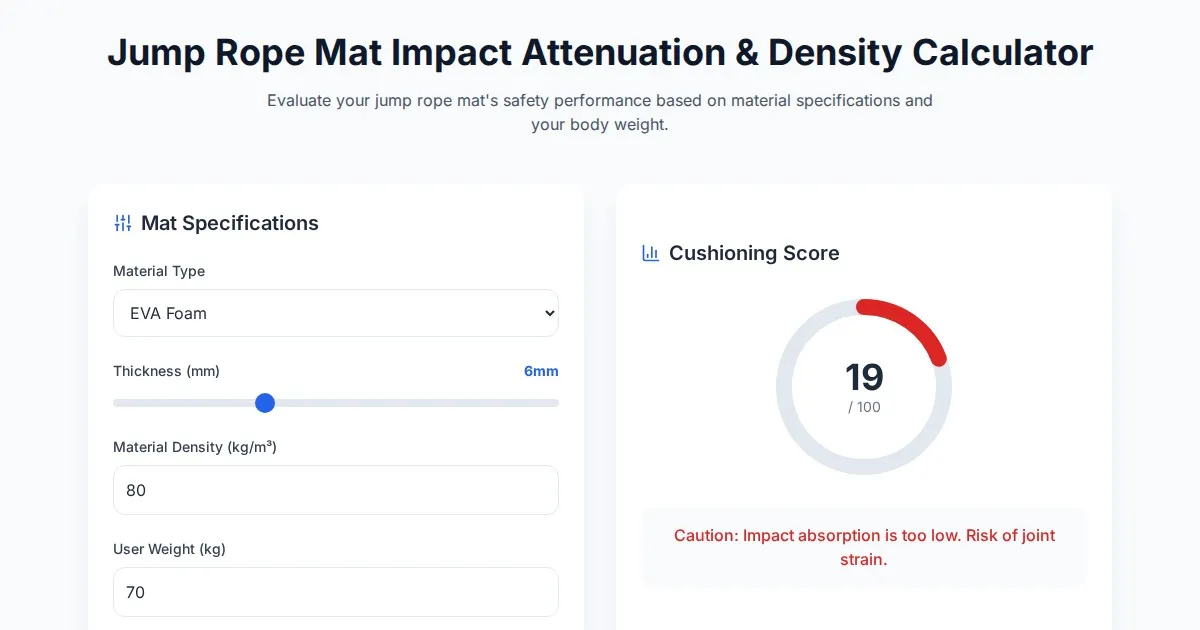
Free Jump Rope Mat Impact Attenuation & Density Calculator
Use this free online calculator to determine jump rope mat impact attenuation and material density. Safely assess if your workout flooring protects your joints.

Free Base64 Image Data URI to File Size Calculator
Accurately calculate the file size of Base64 encoded image data strings. This free, web-based tool helps developers estimate binary file sizes for web apps.

Free Online Color Blindness Simulator & Image Filter Tool
Easily simulate color vision deficiencies like protanopia, deuteranopia, and tritanopia. Upload images to test design accessibility for color blindness.
Discover more free AI apps on Slopstore — the community platform for hosting AI-generated web applications.