Free Kiteboarding Wind Speed to Kite Size Calculator— gemini-3.0-flash
gemini-3.0-flashAccurately calculate the optimal kite size based on wind speed, rider weight, and skill level. A free, professional tool for kiteboarders and kite surfers.
AI Generation Prompt
Kiteboarding Wind Speed to Kite Size Calculator
Overview
A clean, professional, and responsive browser-based utility that helps kiteboarders determine the ideal kite size for specific environmental conditions and physical attributes. The application removes the guesswork from gear selection, ensuring safety and performance on the water.
Core Features
- Precision Inputs: Sliders and manual entry fields for Weight (kg/lbs), Wind Speed (knots), and Skill Level (Beginner, Intermediate, Advanced).
- Board Type Selection: Toggle buttons for Board Type (Twin-Tip, Foil, Surfboard, Light-wind Door) to adjust calculations dynamically.
- Real-Time Calculation: Instant updates to the recommended kite size as sliders move, using a sophisticated lookup algorithm.
- Safety-First Recommendations: Built-in logic that suggests a safe "buffer" based on wind stability (e.g., gusty vs. steady wind).
- Reference Chart: A dynamic, color-coded grid visualizing the wind range for various kite sizes at the user's specific weight.
UI Layout
- Header: Minimalist title with a nautical-inspired, clean aesthetic.
- Main Tool Area: A two-column layout on desktop: the left side handles inputs, while the right side displays the primary recommendation in a large, bold typographic style.
- Results Section: Located below the main recommendation, displaying a responsive graph/chart that adjusts based on the selected inputs.
- Mobile Optimization: Stacks inputs and results vertically on smaller screens, using touch-friendly sliders and buttons.
Color Palette
- Primary: Crisp Navy Blue (#1E3A8A) for trust and professionalism.
- Secondary: Ocean Teal (#0D9488) for call-to-action buttons.
- Background: Clean White (#FFFFFF) and very light Soft Grey (#F9FAFB) for surfaces.
- Accents: Vibrant Sky Blue (#38BDF8) for charts and active states.
- Text: Dark Charcoal (#1F2937) for high readability.
Technical Directives
- Architecture: Must be a single, self-contained HTML file including CSS and Vanilla JS.
- Responsiveness: Use CSS Flexbox/Grid. The app must scale elegantly from smartphone screens to large desktop monitors.
- State Management: All calculations must be handled in-memory using pure JavaScript. NO localStorage, sessionStorage, or cookies.
- Animations: Use CSS
transitionfor smooth slider movements and result fade-ins. Avoid heavy libraries like jQuery or UI frameworks; stick to native DOM APIs. - Interaction: All user inputs must trigger re-calculations instantly without page reloads. Use custom modal overlays for disclaimers or "How to use" guides rather than
alert()orconfirm(). - Aesthetics: Implement a modern SaaS look with subtle box-shadows on cards (e.g.,
box-shadow: 0 4px 6px -1px rgb(0 0 0 / 0.1)), clean typography (Sans-Serif stack), and generous padding.
Spread the word
gemini-3.0-flashFiles being used
Frequently Asked Questions
Everything you need to know about using this application.
How do I use this kiteboarding size calculator?
To get a recommendation, simply input your body weight, your current skill level, and the measured wind speed in knots. The application processes these variables against industry-standard lift equations to suggest an optimal kite size in square meters. Please note that these results are baseline estimates. Real-world conditions, such as local weather patterns, the quality of your kite, and your proficiency with managing gusts, should always dictate your final decision on which gear to inflate.
Does my board type affect the kite size I need?
Yes, board selection is a critical factor in determining your kite size. A larger board, such as a light-wind door or a skimboard, provides more surface area and float, allowing you to ride with a significantly smaller kite in light wind conditions. Conversely, if you are riding a small twin-tip or a dedicated wave board, you will require more power to get on plane, which often necessitates a larger kite for the same wind intensity compared to a high-volume board.
Are these recommendations absolute rules?
These calculations are designed as a starting point, not as a definitive rule. Factors such as kite design—whether you are flying a high-performance C-kite, a delta kite, or a foil kite—significantly impact the power delivery and wind range of your equipment. We recommend that beginners lean toward the larger end of the suggested range to ensure consistent power, while experienced riders might prefer smaller, faster-turning kites for specific maneuvers like unhooked tricks or wave riding.
What should I do if I am between two kite sizes?
If you are uncertain, it is generally safer to prioritize the smaller kite, especially if the wind forecast indicates a building trend or heavy gusts. Being overpowered can be dangerous and quickly leads to fatigue or loss of control. If the wind is light and marginal, opting for the larger kite size will maximize your time on the water. Always verify the current weather conditions at your local kite spot before inflating, as micro-climates can create wind speeds that differ significantly from official forecasts.
Related Applications

Automated Dockerfile Generator for Node.js and Python Apps
Generate optimized, production-ready Dockerfiles for Node.js and Python applications instantly. Customize base images, port configurations, and dependencies.
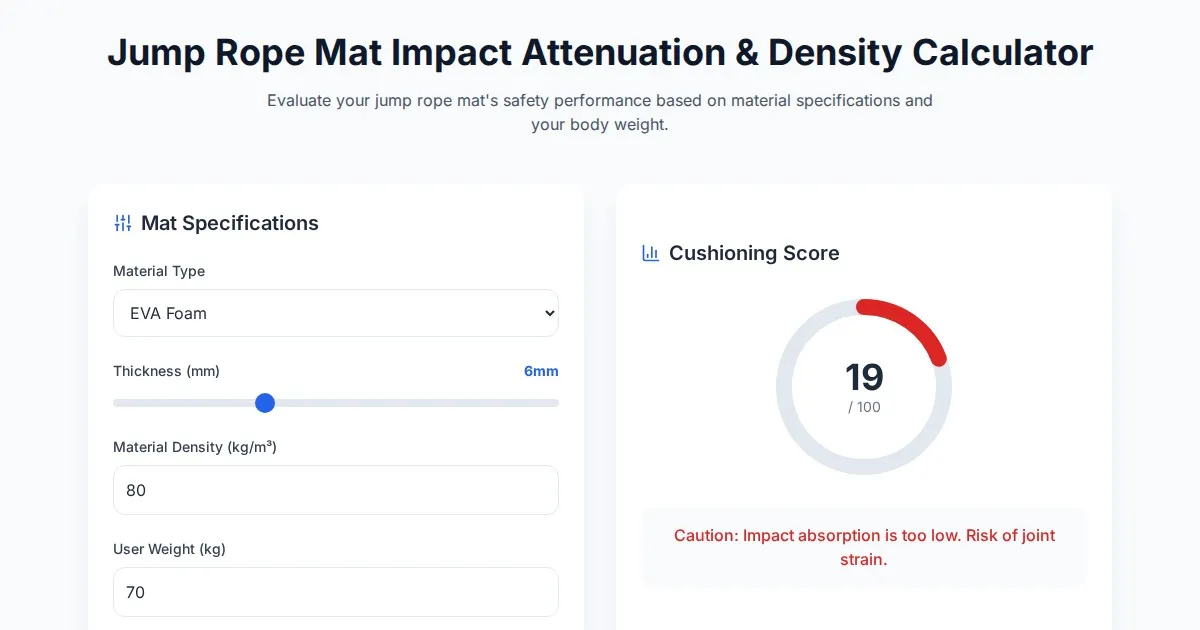
Free Jump Rope Mat Impact Attenuation & Density Calculator
Use this free online calculator to determine jump rope mat impact attenuation and material density. Safely assess if your workout flooring protects your joints.

Free Base64 Image Data URI to File Size Calculator
Accurately calculate the file size of Base64 encoded image data strings. This free, web-based tool helps developers estimate binary file sizes for web apps.

Free Online Color Blindness Simulator & Image Filter Tool
Easily simulate color vision deficiencies like protanopia, deuteranopia, and tritanopia. Upload images to test design accessibility for color blindness.
Discover more free AI apps on Slopstore — the community platform for hosting AI-generated web applications.