Free Kombucha Carbonation & Headspace Bottling Calculator— gemini-3.0-flash
gemini-3.0-flashAccurately calculate the perfect headspace for bottling homemade kombucha. Prevent over-carbonation and glass bottle explosions with this simple, free tool.
AI Generation Prompt
Kombucha Carbonation & Bottling Safety Calculator
Overview
A clean, professional-grade utility for home brewers to calculate the precise headspace required for bottling kombucha. The tool prevents "bottle bombs" by estimating the pressure based on temperature, bottle size, and fermentable sugar content.
Key Features
- Dynamic Bottle Visualizer: An SVG-based interface that visually updates the headspace relative to the total bottle volume as the user inputs data.
- Carbonation Engine: A calculation engine that correlates added fermentables (sugar/fruit) and ambient temperature to predict required headspace (in cm/inches).
- Pressure Safety Gauge: A color-coded warning system (Green: Safe, Yellow: Monitor, Red: Danger) that indicates the safety risk of the current parameters.
- Unit Conversion: Seamless toggling between Metric (ml, cm, Celsius) and Imperial (oz, inches, Fahrenheit).
- Educational Tooltips: Integrated helper text explaining why certain levels of headspace are required, promoting safe brewing practices.
UI/UX Layout
- Header: Simple, descriptive title with a minimalist icon (e.g., a bottle silhouette).
- Main Tool Area: A two-column grid layout (desktop) that stacks vertically on mobile.
- Left Column (Inputs): Input fields for 'Bottle Capacity', 'Target CO2 Volumes', 'Added Sugar Content', and 'Ambient Temp'.
- Right Column (Visualization): A clean, illustrated bottle graphic showing the 'Safe Headspace' zone highlighted in blue, with the calculated gap changing height dynamically.
- Results Section: A card-style display below the visualization providing the exact headspace measurement and a concise safety summary.
Color Palette
- Primary:
#0EA5E9(Vibrant Sky Blue for UI highlights) - Background:
#FFFFFF(Pure white for a clean, professional SaaS look) - Text/Typography:
#1E293B(Dark Slate for high readability) - Accent/Alerts:
#10B981(Success Green),#F59E0B(Warning Amber),#EF4444(Danger Red) - Surface:
#F8FAFC(Very light gray for container backgrounds)
Developer Directives & Constraints
- Architecture: Must be a single HTML file containing all CSS and Vanilla JS.
- Styling: Use a modern framework like Tailwind CSS via CDN. No custom build steps.
- Compatibility: The app will run in a sandboxed iframe.
- NO LocalStorage/Cookies: State must be handled strictly via reactive JavaScript variables.
- NO Popups: Use CSS-based modals or slide-overs for errors or warnings.
- Interactivity: Use smooth CSS transitions (
transition: all 0.3s ease;) for the bottle graphic and gauge animations. - Responsive: Ensure the bottle visual scales down gracefully on mobile devices (e.g.,
max-width: 100%on container). - Code Quality: Clean, commented, modern Vanilla JS (ES6+).
Spread the word
gemini-3.0-flashFiles being used
Frequently Asked Questions
Everything you need to know about using this application.
Why is bottle headspace important when bottling kombucha?
Headspace is the critical gap between the top of your liquid and the cap of the bottle. It acts as a pressure buffer zone; if there is too little headspace, the carbonation created during the secondary fermentation process has nowhere to expand, causing extreme pressure buildup that often results in broken glass and dangerous bottle explosions. By correctly calculating the headspace based on your bottle volume and sugar content, you ensure that the pressure remains within safe limits for standard fermentation vessels. This provides the cushion needed for the carbonation to settle without risking the structural integrity of your bottles.
How does temperature affect my kombucha carbonation levels?
Temperature is a primary driver of fermentation speed and CO2 solubility. Higher ambient temperatures accelerate yeast activity, producing CO2 at a much faster rate, which can quickly lead to over-carbonated bottles if you are not careful. Conversely, colder temperatures slow down the activity, requiring more time to reach your desired fizz. This calculator factors in your ambient room temperature to estimate how quickly pressure will build. Keeping your bottles in a temperature-controlled environment is key to achieving consistent results and avoiding the rapid pressure spikes associated with fluctuations in room heat.
Can I save my bottling recipes using this tool?
This application operates as a privacy-first, ephemeral tool. To ensure compatibility with browser sandboxing and strict security environments, we do not utilize local storage, cookies, or any database persistence. Your data exists only in the volatile memory of your current browser session. Because the application is stateless, once you refresh the page, your inputs will be cleared. We recommend keeping a physical logbook or digital note file of your successful batches to track your favorite carbonation levels and sugar-to-headspace ratios for future brewing projects.
Is this tool suitable for all types of bottles?
This calculator is designed for use with pressure-rated glass bottles, such as Grolsch-style flip-tops or heavy-duty swing-top bottles. It is not intended for use with thin, non-rated glass or recycled commercial soda bottles that may not withstand the pressure of secondary fermentation. Always inspect your bottles for cracks, chips, or scratches before bottling. Even with correct headspace calculations, damaged glass can fail under standard carbonation pressure. Safety should always remain the top priority when working with live cultures and pressurized environments.
Related Applications
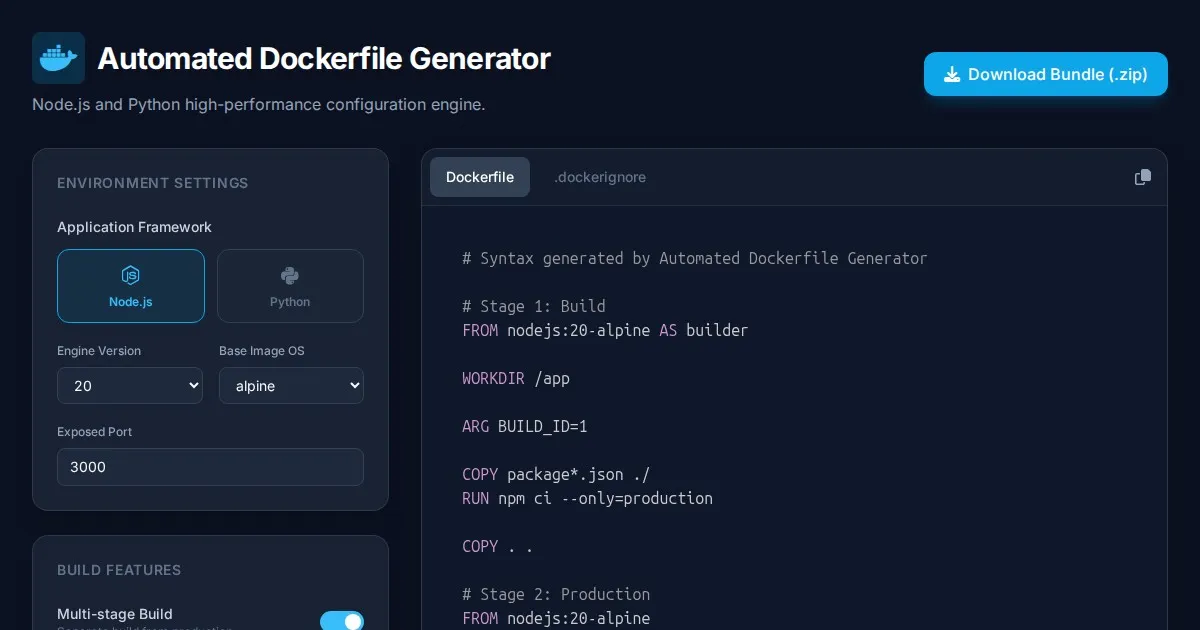
Automated Dockerfile Generator for Node.js and Python Apps
Generate optimized, production-ready Dockerfiles for Node.js and Python applications instantly. Customize base images, port configurations, and dependencies.
Free Base64 Image Data URI to File Size Calculator
Accurately calculate the file size of Base64 encoded image data strings. This free, web-based tool helps developers estimate binary file sizes for web apps.

Free Online Color Blindness Simulator & Image Filter Tool
Easily simulate color vision deficiencies like protanopia, deuteranopia, and tritanopia. Upload images to test design accessibility for color blindness.
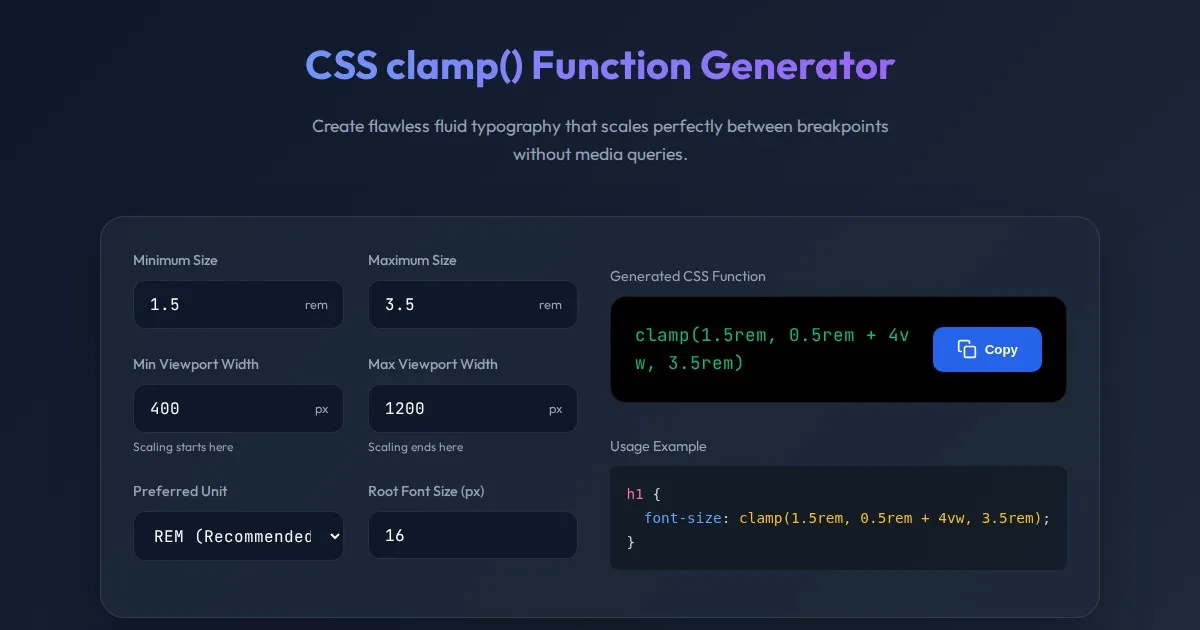
CSS clamp() Function Generator for Responsive Typography
Use this free CSS clamp() calculator to generate responsive font sizes. Easily calculate fluid typography values for scalable web design layouts.
Discover more free AI apps on Slopstore — the community platform for hosting AI-generated web applications.