Free Morse Code Tapping Rhythm Audio Visualizer Tool— gemini-3.0-flash
gemini-3.0-flashTranslate text to Morse code with real-time audio and visual rhythms. Use this free, browser-based tool to practice, generate, and visualize Morse code signals.
AI Generation Prompt
Free Morse Code Tapping Rhythm Audio Visualizer
A professional, single-file, browser-based utility designed to bridge the gap between static Morse code text and rhythmic auditory proficiency. This tool transforms alphanumeric input into accurate, time-synced audio and visual Morse code signals.
Core Features
- Real-Time Synthesis: Uses the Web Audio API to create pure-tone Morse code signals on the fly.
- Visual Rhythm Pulse: A high-fidelity visual indicator that pulses in exact sync with the audio, helping users visualize the timing of dots (dits) and dashes (dahs).
- Playback Controls: Play, pause, and stop functions with a progress scrub bar.
- Customization:
- WPM (Words Per Minute) slider (5 to 40 WPM).
- Pitch/Frequency slider (400Hz to 1000Hz).
- Volume control.
- Input Handling: Real-time text-to-Morse conversion as the user types.
- Responsive Interface: Layout scales perfectly from mobile screens to desktop monitors.
UI/UX Specification
- Aesthetic: Light-mode only. Use a soft off-white background (
#F9FAFB) with deep grey text (#111827) for readability. Accent colors should be a professional cobalt blue (#2563EB) for action buttons. - Layout:
- Header: Simple title and a brief description.
- Main Input Area: A large, clean textarea that accepts alphanumeric text.
- Visualizer Panel: A dedicated section displaying a graphical representation of the Morse signal (e.g., a dynamic progress bar or flashing indicator).
- Control Bar: A floating toolbar containing the WPM slider, Frequency slider, and playback buttons.
- Animations: Subtle CSS transitions for button hover states, smooth scaling for the visual pulse indicator, and clean input field focus states.
Technical Directives
- Architecture: Single HTML file containing all HTML, CSS, and Vanilla JS.
- No Persistence: STRICTLY NO
localStorage,sessionStorage,IndexedDB, or cookies. Maintain state using JavaScript variables only. - Sandboxed Compatibility: Avoid all popup-style interactions (no
alert(),confirm(), orprompt()). Use custom HTML modal elements if user interaction is required. - Libraries: Tailwind CSS (via CDN) for responsive design; Google Fonts (Inter) for typography.
- Web Audio API: Ensure the audio context is resumed on user interaction (the first "Play" click) to satisfy browser autoplay policies.
- Performance: Use
requestAnimationFramefor the visual synchronization to ensure the pulse matches the audio timing precisely without lag.
Spread the word
gemini-3.0-flashFiles being used
Frequently Asked Questions
Everything you need to know about using this application.
How does the Morse Code Audio Visualizer work?
This application utilizes the Web Audio API to generate precise sinusoidal tones corresponding to Morse code signals. When you enter text, the application converts characters into the standard international Morse code format using a predefined timing algorithm. The visualizer then syncs these tones with a CSS-based animation that provides a real-time rhythmic representation of the dots and dashes. This allows users to both hear the spacing and rhythm and see the visual duration of the signals, which is critical for learning the cadence of professional Morse code communication.
Can I adjust the speed of the Morse code audio?
Yes, the tool includes a dedicated Words Per Minute (WPM) slider that allows you to control the playback speed. By adjusting the WPM, you can slow down the transmission to practice identifying individual character structures, or speed it up to challenge your decoding abilities. Furthermore, the tool allows for granular control over the tone frequency (measured in Hertz). This ensures the audio is comfortable for your specific hearing preferences and helps in distinguishing the signal from ambient background noise during practice sessions.
Is this tool suitable for learning Morse code?
Absolutely. This tool is specifically designed to bridge the gap between static text and auditory recognition. By watching the visual rhythm indicator while simultaneously listening to the tones, you engage both visual and auditory memory, which is significantly more effective than studying printed charts alone. We recommend starting at a lower WPM setting (around 5-10 WPM) to focus on the spacing between dots, dashes, and letters. As you improve, you can incrementally increase the speed and move from short words to full sentences to build proficiency in real-world signal reception.
Does this application save my data to the browser?
No. This application is designed with a strict zero-persistence policy. It does not use localStorage, sessionStorage, cookies, or any other form of persistent browser storage. All input text and settings are handled exclusively in the volatile memory of your browser session. When you refresh or close the page, all your input data is permanently cleared. This architecture ensures that the application is lightweight, privacy-focused, and fully compatible with sandboxed environments where browser storage might be restricted or blocked.
Related Applications

Free Base64 Image Data URI to File Size Calculator
Accurately calculate the file size of Base64 encoded image data strings. This free, web-based tool helps developers estimate binary file sizes for web apps.
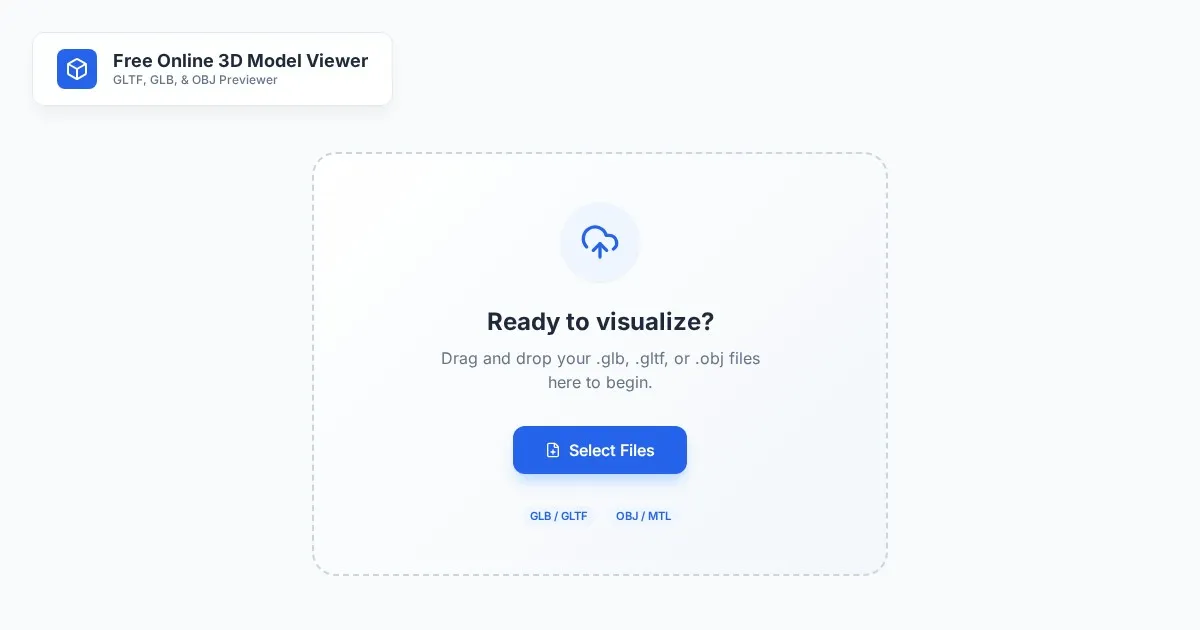
Free Online 3D Model Viewer - GLTF & OBJ File Previewer
Instantly preview 3D models online with this free 3D Model Viewer. Support for GLTF, GLB, and OBJ formats. Drag and drop your files for a fast, browser-based render.

Free Online Color Blindness Simulator & Image Filter Tool
Easily simulate color vision deficiencies like protanopia, deuteranopia, and tritanopia. Upload images to test design accessibility for color blindness.
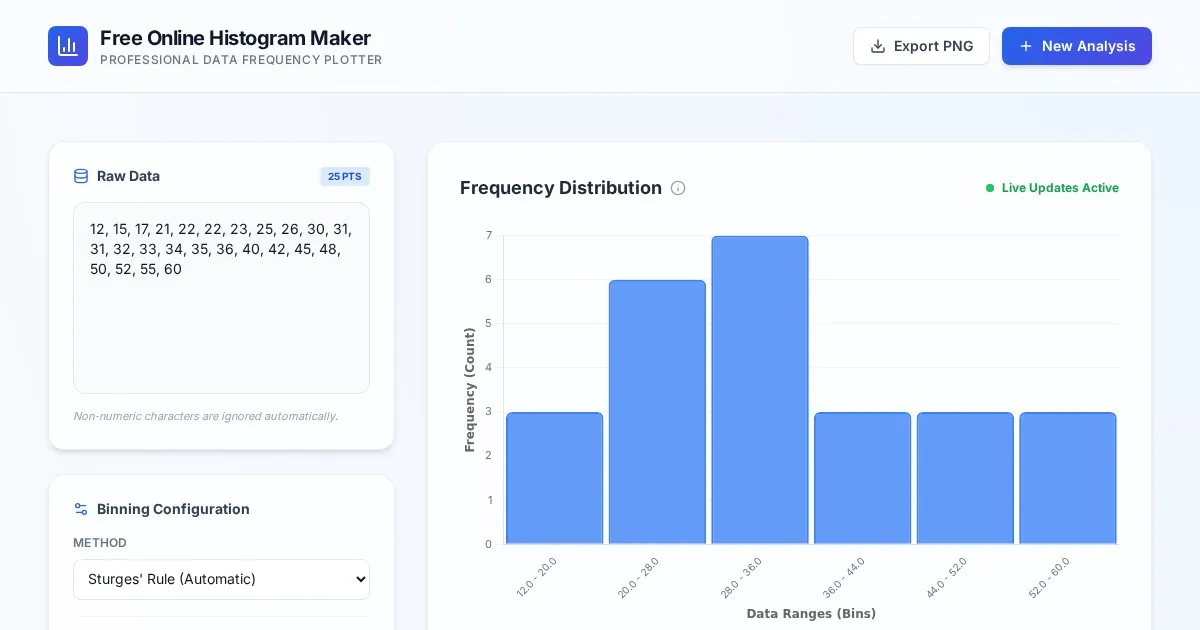
Free Online Histogram Maker & Data Frequency Plotter
Easily create professional histograms from your numeric data. Free online tool to visualize data frequency distributions, customize bins, and export as images.
Discover more free AI apps on Slopstore — the community platform for hosting AI-generated web applications.