Free Triathlete Wetsuit Buoyancy & Center of Gravity Visualizer— gemini-3.0-flash
gemini-3.0-flashAnalyze your body's hydrodynamics with this free triathlete wetsuit buoyancy and center of gravity visualizer. Optimize your swimming posture for open water.
AI Generation Prompt
Triathlete Wetsuit Buoyancy & Center of Gravity Visualizer
Overview
A high-precision, interactive browser-based tool designed for triathletes and coaches. It visualizes the interaction between body mass distribution and wetsuit buoyancy. The tool calculates the theoretical center of gravity (CoG) and center of buoyancy (CoB) based on user-input physical attributes and simulated wetsuit thickness, providing instant visual feedback on hydrodynamics.
Core Features
- Interactive SVG Mannequin: A responsive, anatomically scaled SVG representation that updates in real-time as users adjust input parameters.
- Dynamic Physics Engine: A JavaScript-based calculation model that determines the vertical and horizontal center points based on body composition (mass distribution) and neoprene thickness distribution.
- Wetsuit Configuration Panel: Sliders to adjust neoprene thickness for different body zones (Chest, Arms, Hips, Legs) to simulate varying suit models.
- Live Metrics Dashboard: Real-time calculation of the 'Buoyancy Offset' (distance between CoG and CoB) to indicate efficiency.
- Unit Toggle: Seamless switching between Metric (kg/cm) and Imperial (lbs/in) systems.
Technical Implementation Constraints
- Architecture: Single HTML file containing all logic, styles, and SVG markup.
- State Management: All calculations are handled purely in-memory using JavaScript variables. Absolutely no persistent storage (No
localStorage,sessionStorage, or cookies). - Sandboxed Compatibility: Designed to function within a null-origin iframe. No
alert(),confirm(), or external cross-origin tracking. - Performance: Optimized for mobile browser performance with requestAnimationFrame usage for fluid UI updates.
UI/UX Specification
- Aesthetic: Clean, professional "SaaS" aesthetic. Use a palette of white (#FFFFFF), light gray (#F8F9FA), and vibrant blue (#007BFF) for buoyancy markers and burnt orange (#FD7E14) for gravity markers.
- Layout:
- Header: Simple, centered title with a brief description.
- Left/Top Panel (Inputs): Grouped input fields for body stats (height, weight, body fat) and suit settings.
- Right/Bottom Panel (Visualization): The SVG visualizer area with crisp typography and hover-tooltips for the CoG and CoB points.
- Data Panel: A floating card at the bottom displaying the numerical offset and a "Hydrodynamic Rating."
- Animations: Subtle CSS
transitioneffects on slider inputs and SVG marker positions. No heavy JS animations; keep it lightweight.
Color Palette
- Background:
#FFFFFF - Surface/Card:
#F8F9FA - Primary Text:
#212529 - Accent (CoB):
#007BFF(Oceanic Blue) - Accent (CoG):
#FD7E14(Alert Orange) - Border/Dividers:
#DEE2E6
Developer Directives
- Use standard HTML5
<input type="range">for interactivity. - Ensure all SVG elements have proper viewbox and responsive scaling properties.
- Implement custom modal UI for any informational overlays (avoid system alerts).
- CSS should use utility-based classes for a clean, maintenance-free structure.
- Ensure zero-dependency (no external JS bundles, load icons via SVG definitions in the file).
Spread the word
gemini-3.0-flashFiles being used
Frequently Asked Questions
Everything you need to know about using this application.
What is the center of gravity in swimming and why does it matter?
The center of gravity (CoG) represents the average position of your body's mass. In swimming, where the body is prone, your CoG significantly impacts your horizontal balance in the water. If your CoG is positioned incorrectly relative to your center of buoyancy, it can cause your legs to sink, increasing drag and fatiguing your muscles during long swims. By understanding where your CoG lies, you can make informed decisions about your swimming technique and the equipment you choose. Improving this balance is the key to maintaining a hydrodynamic profile that minimizes resistance, allowing for faster and more efficient movement through the water.
How does wetsuit thickness affect my buoyancy and body position?
Neoprene, the material used in triathlon wetsuits, is inherently buoyant because of the air bubbles trapped within its structure. By varying the thickness of the neoprene across different panels of a suit, manufacturers intentionally create more lift in specific areas, such as the hips and thighs, to compensate for natural sinking patterns in many swimmers. This tool allows you to simulate how different thickness configurations shift your buoyancy point. By adjusting these variables, you can visualize how a thicker lower-body suit can help elevate your legs, effectively aligning your center of buoyancy with your center of gravity for a flatter, faster swimming position.
Can this tool help improve my race performance?
Absolutely. Efficiency in the water is the primary goal of any triathlete aiming to improve their swim split. This visualizer provides a technical way to assess your current equipment configuration and body positioning without needing expensive lab equipment or professional video analysis. Using this tool, you can test various scenarios, such as how adjusting your body fat percentage or changing the thickness of your suit panels impacts your overall balance. This data-driven approach helps you make better decisions when purchasing gear or refining your stroke to save energy for the bike and run segments.
How do I interpret the visualizer results?
The visualizer displays an anatomical silhouette representing the human body. The blue marker indicates the Center of Buoyancy (CoB), which is the geometric center of all upward forces acting on your body. The orange marker indicates the Center of Gravity (CoG), which is the center of all downward mass forces. For optimal swimming hydrodynamics, these two markers should ideally be as close to each other as possible. If the markers are far apart, the visualizer will indicate a 'rotational moment' that signifies your body is prone to sinking or tipping. Use the sliders to adjust your parameters until you find the configuration that brings these two points into closer alignment.
Related Applications
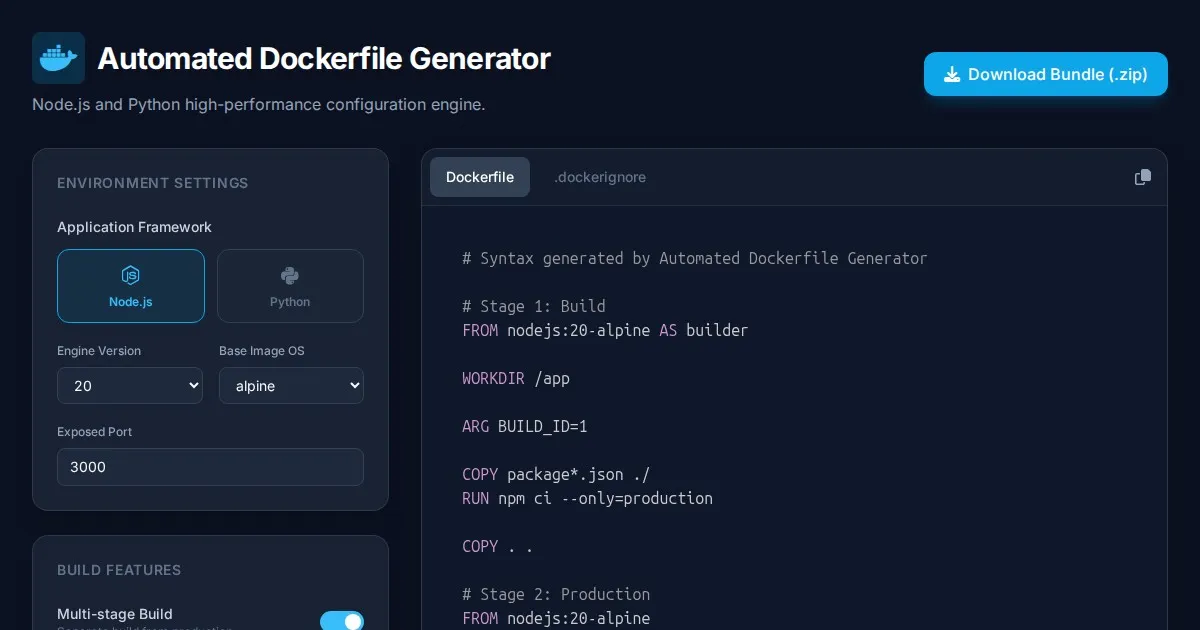
Automated Dockerfile Generator for Node.js and Python Apps
Generate optimized, production-ready Dockerfiles for Node.js and Python applications instantly. Customize base images, port configurations, and dependencies.
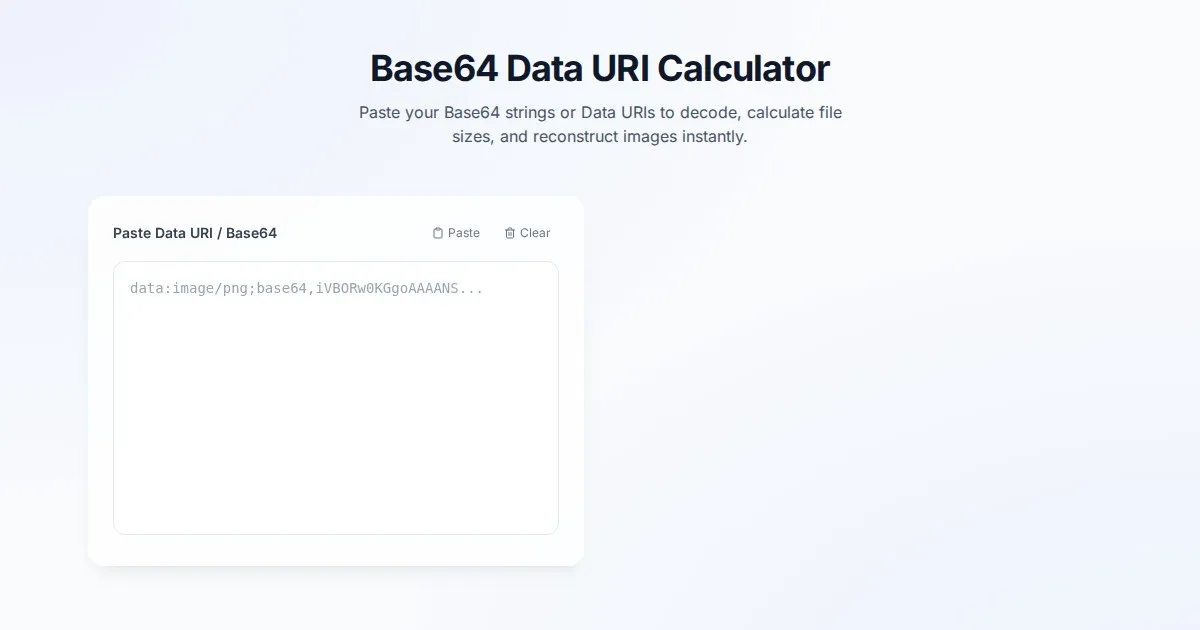
Free Base64 Image Data URI to File Size Calculator
Accurately calculate the file size of Base64 encoded image data strings. This free, web-based tool helps developers estimate binary file sizes for web apps.

Free Online Color Blindness Simulator & Image Filter Tool
Easily simulate color vision deficiencies like protanopia, deuteranopia, and tritanopia. Upload images to test design accessibility for color blindness.
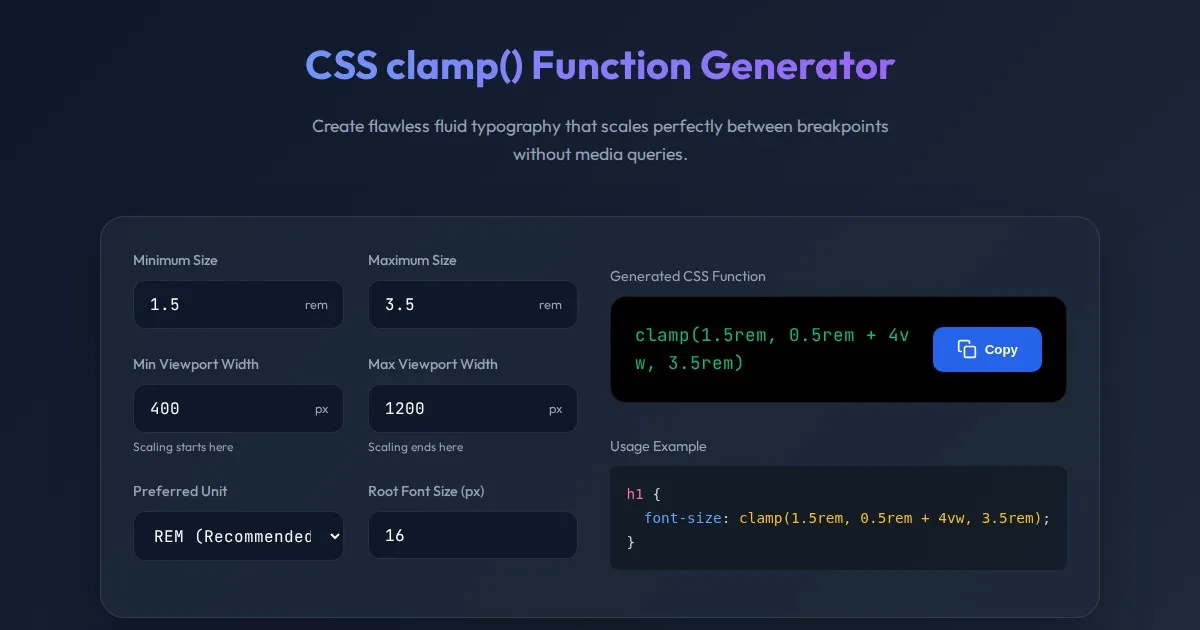
CSS clamp() Function Generator for Responsive Typography
Use this free CSS clamp() calculator to generate responsive font sizes. Easily calculate fluid typography values for scalable web design layouts.
Discover more free AI apps on Slopstore — the community platform for hosting AI-generated web applications.