Free Triathlon Swim Bike Run Split & Transition Time Calculator— gemini-3.0-flash
gemini-3.0-flashEasily calculate your triathlon race splits and transition times with our free online tool. Perfect for race planning, pacing strategy, and performance analysis.
AI Generation Prompt
Triathlon Split & Transition Time Calculator
Overview
A clean, professional, and responsive browser-based tool designed for triathletes to calculate, track, and analyze their race segments (Swim, T1, Bike, T2, Run). This tool helps athletes project finishing times and analyze pacing strategies.
Core Features
- Live Split Calculation: Instant, real-time summation of race segments as inputs change.
- Segment Input: Dedicated fields for Swim, T1, Bike, T2, and Run durations in HH:MM:SS format.
- Pace Calculator: Integrated calculator to convert total distance and time into average pace (min/km or min/mile).
- Race Scenario Planner: "Goal Time" input that shows the difference between the planned performance and the target finishing time.
- Performance Summary: Visual dashboard displaying the percentage breakdown of total time spent in each segment.
- Data Export: "Copy Results" button to generate a formatted text summary for logging into training journals.
Technical Specification
- Architecture: Single-file HTML/CSS/JS architecture.
- Storage: Strictly in-memory (No localStorage/cookies used).
- Responsiveness: Mobile-first design using Flexbox and CSS Grid. The input forms stack on small screens and expand to a horizontal view on desktop.
- Compatibility: Fully compatible with sandboxed iframes.
- External Resources: Tailwind CSS (via CDN) for styling; Lucide icons (via CDN) for UI elements.
UI/UX Design
- Aesthetic: Light-mode, SaaS-inspired interface. Soft off-white backgrounds (#F9FAFB), crisp borders, and subtle box shadows to create depth.
- Color Palette:
- Primary: Deep Ocean Blue (#2563EB) for primary actions.
- Success/Metric: Emerald Green (#10B981) for totals and positive performance indicators.
- Backgrounds: White (#FFFFFF) and Slate Gray (#F3F4F6).
- Text: High-contrast Dark Slate (#1E293B).
- Animations:
- Smooth fade-in transitions when the result card appears.
- Input focus states with subtle glowing borders.
- Hover effects on buttons with a slight transform (scaling) for tactile feedback.
Implementation Directives
- No Data Persistence: Do not use
localStorageorsessionStorage. All state must live in a JS object (e.g.,let state = { swim: 0, bike: 0... }). - Custom Modals: If a user errors or performs an action requiring feedback (e.g., "Copied to clipboard"), use an absolute-positioned DIV modal inside the main DOM, not
alert()orconfirm(). - Formatting: Ensure input fields strictly validate time formats (HH:MM:SS) to prevent application errors.
- Performance: No heavy dependencies. Keep logic in vanilla JavaScript for maximum speed.
Spread the word
gemini-3.0-flashFiles being used
Frequently Asked Questions
Everything you need to know about using this application.
How do I calculate my triathlon split and transition times accurately?
To calculate your splits, you need to input the duration for each of the five segments: Swim, T1 (Swim-to-Bike transition), Bike, T2 (Bike-to-Run transition), and the Run. Summing these individual segments provides your total race duration. Using a digital tool allows you to instantly see how shaving seconds off your transition or improving your bike pace affects your final finishing time. It is an essential step for race-day strategy planning.
Why are T1 and T2 transitions crucial in triathlon performance?
T1 (Swim-to-Bike) and T2 (Bike-to-Run) transitions are often called the 'fourth discipline' of triathlon. They are moments where many athletes lose time due to disorganization or inefficiency rather than a lack of physical fitness. By tracking these transitions specifically, you can identify where you are losing time and focus your training on technical efficiency. Optimizing these segments often yields the quickest improvements in overall race results with minimal physical effort.
Is my training and race data stored by this application?
This application is built with a focus on privacy and security. It is entirely client-side, meaning all calculations occur within your device's browser memory. No data is ever sent to a server, stored in cookies, or saved in local storage. Once you refresh your browser, your data is cleared, ensuring your personal race metrics remain private and inaccessible to third parties.
How can I use this tool to improve my race day pacing?
You can use this calculator to simulate different scenarios, such as aiming for a faster bike split or a conservative run start. By plugging in your goal finishing time, you can work backward to determine the necessary pace for each leg of the race. This proactive planning helps you establish a realistic pacing strategy. During the race, you can compare your actual progress against these pre-calculated splits to maintain control and ensure you finish strong.
Related Applications
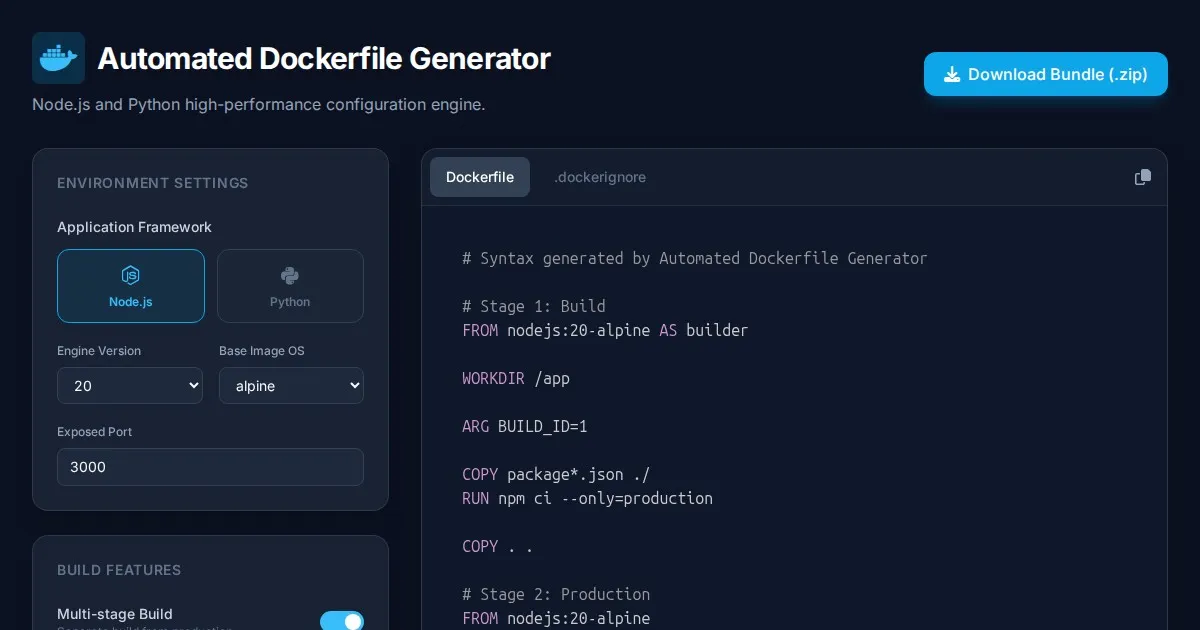
Automated Dockerfile Generator for Node.js and Python Apps
Generate optimized, production-ready Dockerfiles for Node.js and Python applications instantly. Customize base images, port configurations, and dependencies.
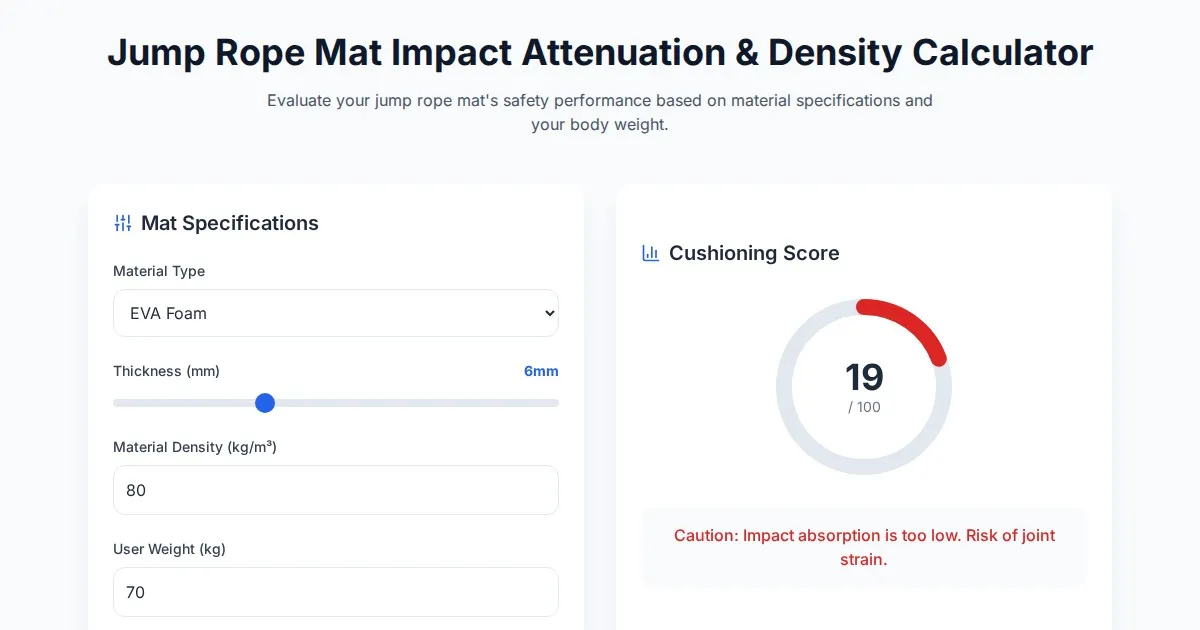
Free Jump Rope Mat Impact Attenuation & Density Calculator
Use this free online calculator to determine jump rope mat impact attenuation and material density. Safely assess if your workout flooring protects your joints.
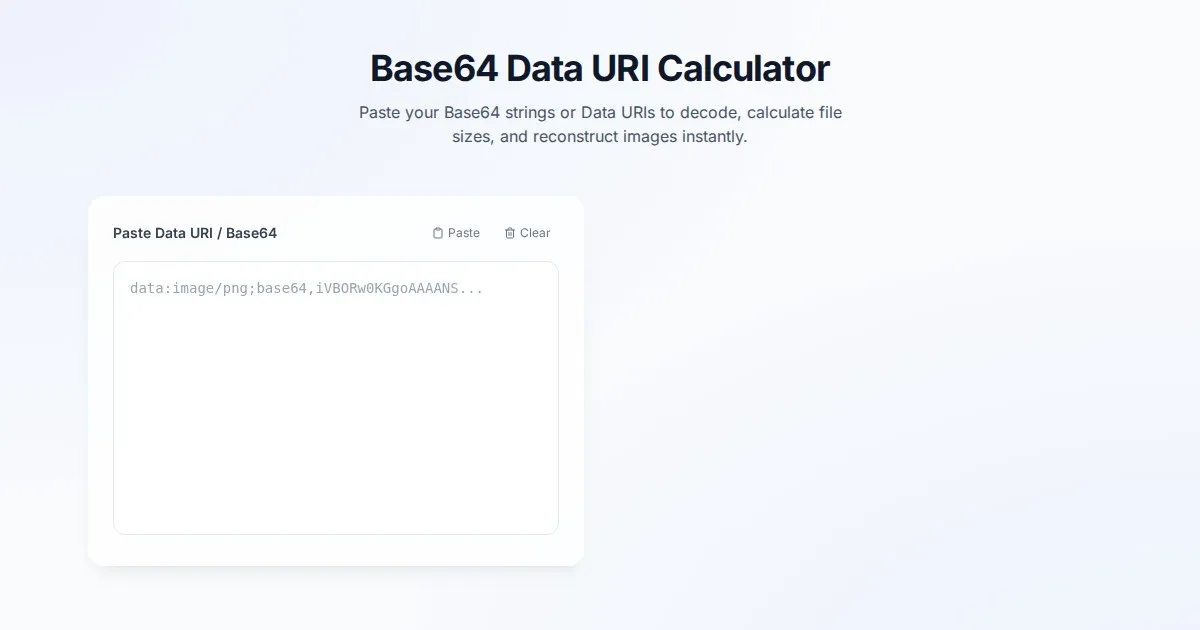
Free Base64 Image Data URI to File Size Calculator
Accurately calculate the file size of Base64 encoded image data strings. This free, web-based tool helps developers estimate binary file sizes for web apps.

Free Online Color Blindness Simulator & Image Filter Tool
Easily simulate color vision deficiencies like protanopia, deuteranopia, and tritanopia. Upload images to test design accessibility for color blindness.
Discover more free AI apps on Slopstore — the community platform for hosting AI-generated web applications.