Free Welder Filler Metal AWS Classification Decoder Tool— gemini-3.0-flash
gemini-3.0-flashInstantly decode AWS filler metal classifications with our free, easy-to-use tool. Ideal for welders, students, and engineers looking for technical specifications.
AI Generation Prompt
Welder Filler Metal AWS Classification Decipher Tool
Overview
A clean, efficient, and highly functional browser-based tool designed to translate complex American Welding Society (AWS) filler metal classifications into detailed, readable specifications. This tool is intended for quick field or office reference, ensuring that professionals, students, and engineers can verify material properties instantly.
Technical Implementation
- Architecture: Pure Vanilla JavaScript, HTML5, and CSS3. Single-file architecture.
- Data Handling: The tool uses a hardcoded JSON data structure for AWS mapping, kept in-memory to ensure zero latency and full compatibility with restricted (sandboxed) environments.
- State Management: Zero-persistence design. No cookies, no local storage. The tool resets on refresh, strictly adhering to the in-memory-only requirement.
- Responsiveness: Mobile-first design using a fluid grid system (Tailwind CSS via CDN).
UI Layout
- Header: Minimalist top navigation with the tool title and a "How it works" tooltip icon.
- Search Area: A prominent, large input field with real-time validation and a smooth "Search" button.
- Content Body:
- Results Section: A card-based layout that displays the classification breakdown (e.g., "E" = Electrode, "70" = Tensile Strength).
- Details Accordion: Collapsible sections for "Chemical Properties," "Polarity Recommendations," and "Standard Usage."
- Aesthetics:
- Colors: Slate-50 background, White cards, Indigo-600 action buttons, Slate-800 text.
- Transitions: Ease-in-out transitions on all card expansions and search result fades.
- Typography: Sans-serif, clean font (e.g., Inter or system UI stacks).
Feature List
- Real-time Parsing: Regex-based engine that identifies the classification input and highlights the corresponding breakdown segments.
- Detailed Breakdown: Break down of Tensile Strength, Welding Position, Flux/Coating type, and Polarity.
- Comparison Engine: Allow users to toggle a "Compare" mode to view two classifications side-by-side (hidden by default).
- Copy-to-Clipboard: Ability to copy the decoded summary to the clipboard for sharing or reporting.
- No-Result States: Friendly, helpful messages when an unknown or malformed code is entered.
Design Constraints & Directives
- Light Mode Only: The interface must remain bright, clean, and highly readable. Do not implement dark mode.
- Performance: High focus on instant reactivity. Search results should render in < 50ms.
- Safety: No external API calls. All processing happens client-side.
- Browser Compatibility: Must function perfectly in modern browsers without external dependencies beyond approved CDNs.
Spread the word
gemini-3.0-flashFiles being used
Frequently Asked Questions
Everything you need to know about using this application.
What is an AWS filler metal classification?
The American Welding Society (AWS) classification system is a standardized nomenclature used to describe the mechanical and chemical properties of welding consumables. Each character in the code, such as 'E' for electrode or '70' for tensile strength, serves as a vital indicator for selecting the correct material for structural and manufacturing projects. Understanding these codes is critical for maintaining safety and quality standards in welding. By deciphering these classifications, welders and engineers ensure that the filler metal is compatible with the base material, the welding process, and the specific application requirements, preventing catastrophic structural failures.
How does this tool help professional welders?
This tool acts as a quick-reference guide that instantly interprets complex alphanumeric codes into human-readable data. Instead of flipping through heavy technical manuals or searching PDF standards documents, professionals can input a code like 'E7018' or 'ER70S-6' to receive an immediate breakdown of tensile strength, position, flux characteristics, and usage guidelines. By centralizing this data in a single, accessible interface, the tool minimizes the risk of human error during material selection. This efficiency allows welders to spend less time researching specifications and more time focusing on the precision of their welds, adhering to industry best practices.
Is this tool suitable for students and apprentices?
Absolutely. This tool is an excellent educational aid for welding students and apprentices who are learning the intricacies of metallurgy and welding consumables. It provides a structured way to visualize how AWS classifications are built, making the complex numbering systems easier to memorize and understand over time. By using the tool as a study companion, learners can cross-reference their textbook knowledge with instant feedback. The descriptive interface explains what each segment of the code represents, transforming abstract code strings into practical knowledge about welding rods and filler materials.
What types of filler metals are covered?
The tool is designed to cover a broad spectrum of common AWS filler metal specifications used in everyday fabrication, including carbon steel, low-alloy steel, and stainless steel electrodes. It focuses on the most frequently used classifications found in structural welding, pipe welding, and general manufacturing environments. While it covers a vast range of standard codes, the tool is primarily built for identifying common industrial consumables. It helps bridge the gap between technical standards and shop-floor application, ensuring that users have access to reliable, summarized data whenever and wherever they need it.
Related Applications
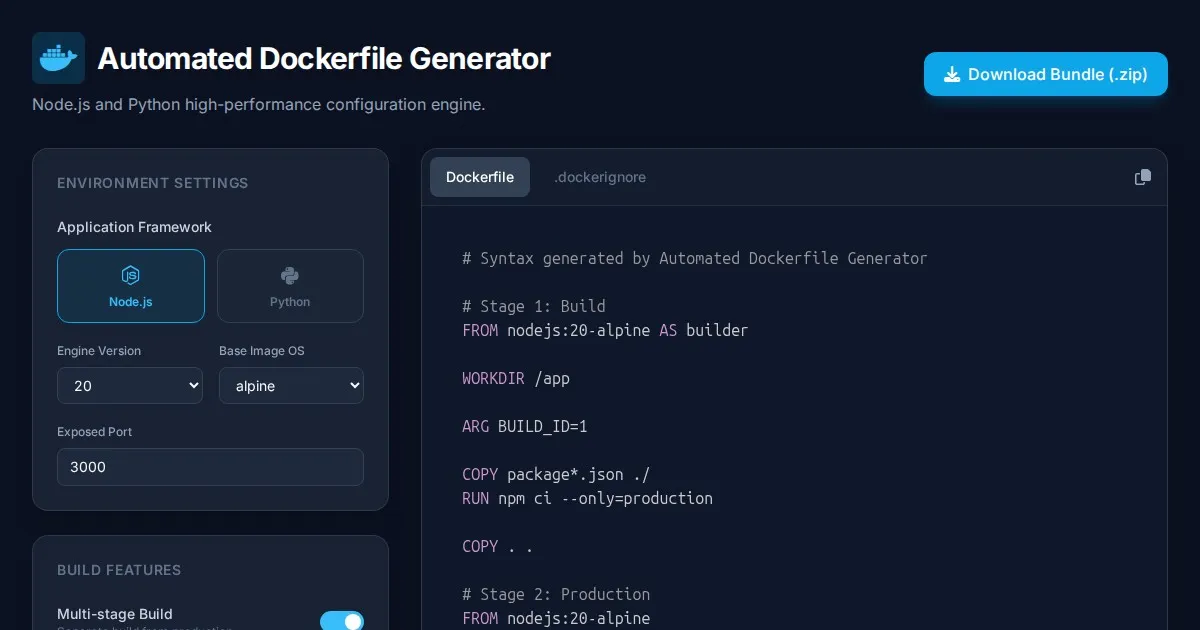
Automated Dockerfile Generator for Node.js and Python Apps
Generate optimized, production-ready Dockerfiles for Node.js and Python applications instantly. Customize base images, port configurations, and dependencies.

Free Base64 Image Data URI to File Size Calculator
Accurately calculate the file size of Base64 encoded image data strings. This free, web-based tool helps developers estimate binary file sizes for web apps.
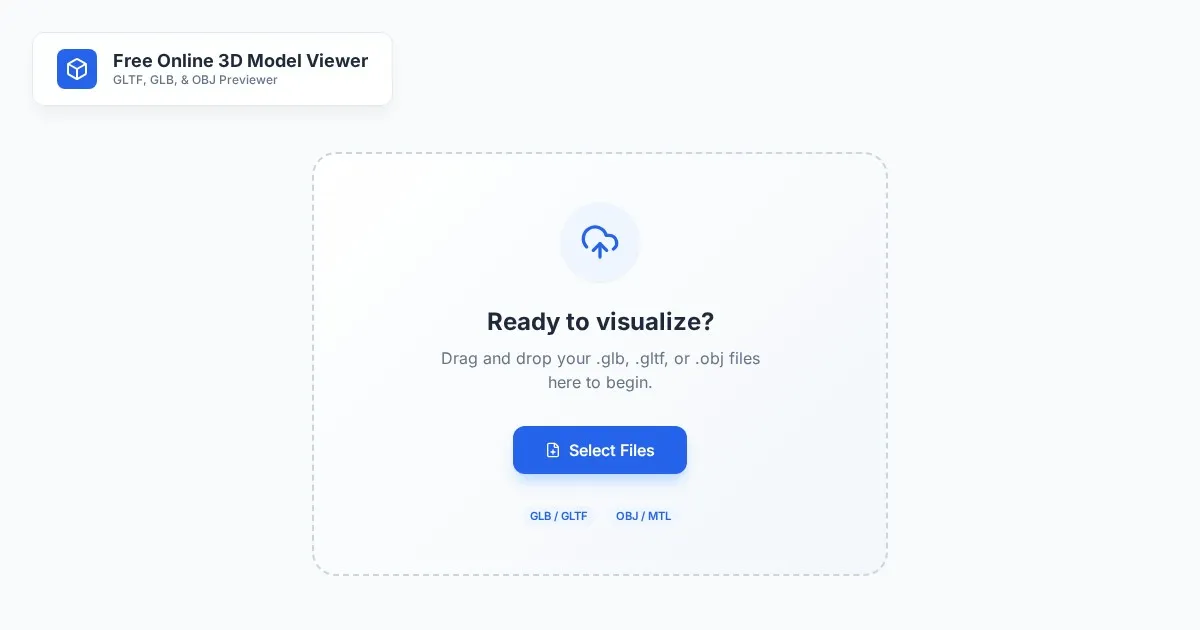
Free Online 3D Model Viewer - GLTF & OBJ File Previewer
Instantly preview 3D models online with this free 3D Model Viewer. Support for GLTF, GLB, and OBJ formats. Drag and drop your files for a fast, browser-based render.

Free Online Color Blindness Simulator & Image Filter Tool
Easily simulate color vision deficiencies like protanopia, deuteranopia, and tritanopia. Upload images to test design accessibility for color blindness.
Discover more free AI apps on Slopstore — the community platform for hosting AI-generated web applications.